South Africa’s agricultural sector offers a wide range of opportunities beyond traditional livestock and crop production, and one of the more specialized enterprises is the raising of gamebirds and waterfowl for profit. As consumer preferences diversify and niche agricultural markets continue to expand, many farmers are exploring alternative poultry enterprises that can generate attractive returns. Gamebirds and waterfowl are valued for their meat, eggs, breeding stock, hunting purposes, conservation programs, and ornamental appeal. Their versatility creates multiple income streams that can help farmers reduce risk and increase profitability. With proper planning, management, and market access, raising these birds can become a sustainable and rewarding agricultural venture.
Gamebirds commonly raised in South Africa include species such as pheasants, partridges, guinea fowl, and quail. Waterfowl production often focuses on ducks and geese, which are well suited to a variety of farming environments. Each species has unique management requirements, growth rates, feeding needs, and market opportunities. Farmers must carefully select the species that best aligns with their available resources, climate conditions, and target markets. Understanding the characteristics of each bird type is essential for making informed investment decisions. A successful operation begins with matching production goals to market demand and farm capabilities.
One of the primary attractions of gamebird and waterfowl farming is the growing demand for specialty meat products. Many consumers seek alternatives to conventional poultry and are willing to pay premium prices for unique, high-quality meat. Restaurants, hotels, specialty food retailers, and direct consumers often form important market segments for these products. Gamebird meat is frequently associated with gourmet dining experiences, while duck and goose products have established demand in both local and international markets. Producers who maintain high standards of quality and food safety can position themselves to benefit from these premium market opportunities. Building strong relationships with buyers is an important part of maintaining consistent sales.
Breeding stock sales represent another significant source of income for gamebird and waterfowl producers. Farmers, conservation organizations, hunting estates, and wildlife management projects often require healthy breeding birds to support their operations. Producing quality breeding stock requires careful genetic management, proper nutrition, and excellent health practices. Birds selected for breeding must demonstrate desirable traits such as fertility, growth performance, disease resistance, and strong physical condition. Maintaining accurate breeding records helps producers improve flock quality over time. As demand for specialized bird species grows, breeding stock can become a highly profitable segment of the business.
The hunting industry also creates opportunities for certain gamebird producers. Some farms raise birds specifically for release programs associated with hunting estates and recreational shooting activities. These operations require birds that are healthy, well developed, and capable of adapting to outdoor environments. Strict management standards are necessary to ensure that birds meet the requirements of buyers in this market. Producers must also remain informed about relevant regulations governing wildlife management, bird movement, and hunting activities. Compliance with legal requirements is essential for maintaining a reputable and sustainable operation.
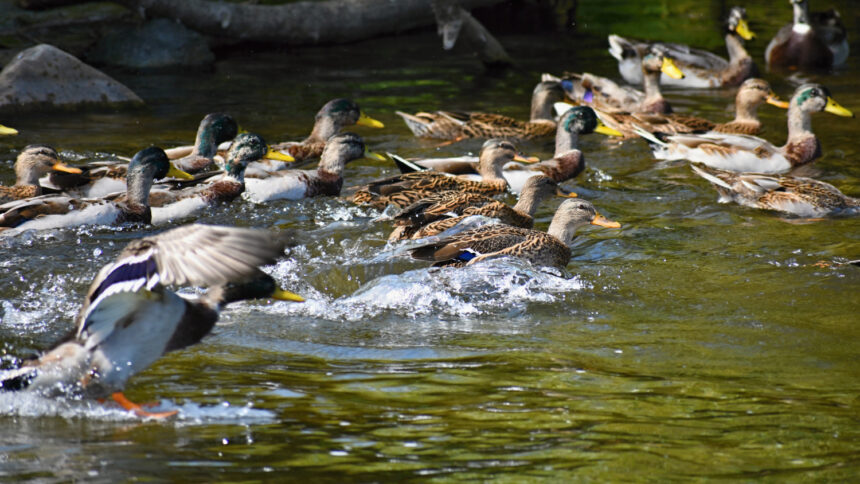
Housing and infrastructure play a critical role in the successful production of gamebirds and waterfowl. Different species require different enclosure designs, space allocations, and environmental conditions. Adequate protection from predators is particularly important, as birds can be vulnerable to a range of threats. Waterfowl require access to clean water for bathing and natural behaviours, while gamebirds often benefit from enclosures that provide shelter and opportunities for movement. Good ventilation, proper sanitation, and secure fencing contribute significantly to bird health and productivity. Investing in suitable infrastructure from the beginning can prevent many management challenges later.
Nutrition is another key factor influencing profitability and production success. Birds require balanced diets that support growth, reproduction, immune function, and overall health. Nutritional needs vary according to species, age, and production stage. Farmers often work with animal nutrition specialists to develop feeding programs that maximize performance while controlling costs. High-quality feed contributes directly to improved growth rates, egg production, fertility, and meat quality. Careful feed management also helps reduce waste and improve overall farm efficiency.
Disease prevention and biosecurity are essential components of any successful gamebird and waterfowl enterprise. Because birds can be susceptible to various diseases, proactive health management is critical. Regular monitoring, vaccination programs where appropriate, and strict hygiene practices help reduce the risk of outbreaks. New birds should be quarantined before introduction into established flocks to prevent the spread of disease. Access to veterinary support can help farmers respond quickly when health issues arise. Strong biosecurity measures protect both the birds and the long-term profitability of the business.
Marketing remains one of the most important aspects of raising gamebirds and waterfowl for profit. Successful producers identify their target customers early and develop strategies to meet specific market requirements. Some focus on supplying meat products, while others specialize in breeding stock, eggs, ornamental birds, or hunting-related markets. Direct sales, farmers’ markets, restaurants, specialty retailers, and online platforms can all provide valuable sales channels. Understanding customer preferences and maintaining consistent quality helps build a loyal customer base. Effective marketing allows producers to capture the full value of their products and services.
Raising gamebirds and waterfowl for profit in South Africa offers exciting opportunities for farmers seeking to diversify their operations and access niche agricultural markets. The enterprise combines elements of poultry production, wildlife management, specialty food production, and agribusiness development. Success depends on careful species selection, sound management practices, effective marketing, and a commitment to animal health and welfare. As demand for alternative poultry products and specialized bird markets continues to grow, well-managed operations can generate strong returns while contributing to agricultural diversity. For farmers willing to invest in knowledge, infrastructure, and market development, gamebird and waterfowl farming can become a profitable and sustainable agricultural enterprise.
Join 'Farmers Mag' WhatsApp Channel
Get the latest Farming news and tips delivered straight to your WhatsApp
CLICK HERE TO JOIN