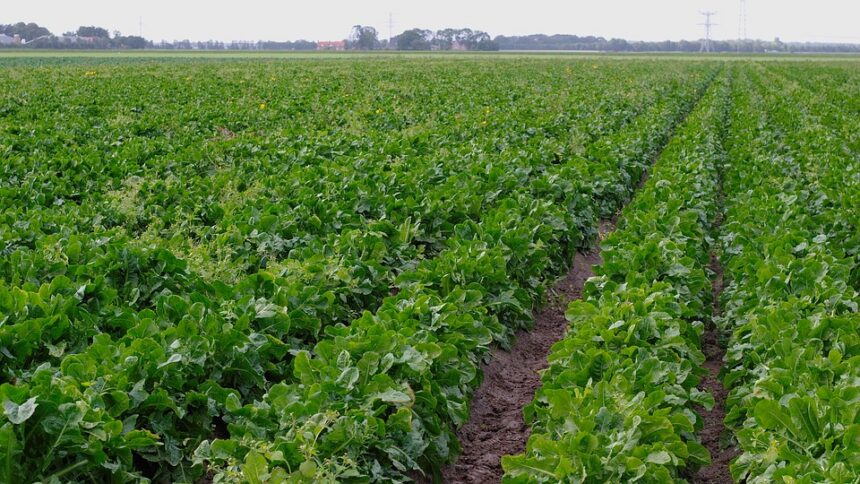
Chicory has become an important agricultural crop in South Africa, offering farmers an alternative enterprise with strong links to the food and beverage industry. Known for its deep roots and adaptability, chicory is primarily cultivated for its roots, which are processed and used in products such as coffee substitutes, food ingredients, and dietary fibre supplements. The crop has a long history of cultivation in certain regions of the country and continues to provide economic opportunities for farmers involved in specialized agricultural production. As consumer demand for natural ingredients and functional foods increases globally, interest in chicory production has also grown. Understanding how chicory is grown and processed is essential for farmers, agribusinesses, and anyone interested in the agricultural value chain.
Chicory thrives in well-drained soils with good fertility and adequate moisture. The crop prefers temperate growing conditions and performs best in regions that experience moderate rainfall and suitable temperatures during the growing season. Farmers typically prepare fields thoroughly before planting to ensure optimal root development. Deep cultivation helps create loose soil conditions that allow the roots to grow straight and penetrate deeply into the ground. Proper land preparation also improves drainage and reduces the risk of soil compaction, which can negatively affect yields. Selecting high-quality seed varieties adapted to local conditions is another important factor that contributes to successful production.
During the growing season, careful crop management is necessary to achieve high yields and quality roots. Weed control is particularly important during the early stages of plant development because young chicory plants can struggle to compete with aggressive weeds. Farmers use a combination of cultivation practices and approved herbicides to maintain clean fields. Adequate nutrition is also critical, with soil testing often guiding fertilizer applications to ensure balanced nutrient availability. Water management plays a significant role as well, especially during periods of low rainfall. While chicory is relatively resilient, prolonged drought stress can reduce root size and overall productivity.
Harvesting chicory requires careful timing to maximize both yield and quality. The roots are typically harvested once they have reached the desired size and maturity. Specialized harvesting equipment is often used to lift the roots from the soil while minimizing damage. Once harvested, the roots are transported quickly to processing facilities to maintain quality and prevent deterioration. Efficient logistics between farms and processing plants are essential because the quality of the final product depends heavily on the condition of the harvested roots. Farmers and processors work closely together to ensure that harvesting schedules align with processing capacity.
The processing of chicory roots is a highly specialized operation that transforms raw agricultural produce into valuable commercial products. The roots are first cleaned thoroughly to remove soil and impurities. They are then sliced into smaller pieces and dried under controlled conditions. Drying reduces moisture content and prepares the roots for roasting or further processing. Roasting is a key stage that develops the distinctive flavour and aroma associated with chicory products. The roasted material can then be ground into powder and incorporated into various food and beverage applications.
One of the most well-known uses of chicory is as a coffee substitute or coffee additive. Roasted chicory root has a rich flavour profile that resembles coffee but contains no caffeine. This characteristic has made it popular among consumers seeking alternatives to traditional coffee products. Beyond beverages, chicory is also valued for its inulin content, a natural dietary fibre that supports digestive health. Food manufacturers use inulin in a variety of products, including dairy items, baked goods, nutritional supplements, and health-focused foods. These diverse applications help create stable demand for chicory production and processing.
The chicory industry contributes to rural economic development by supporting employment across farming, transport, processing, and manufacturing sectors. Processing facilities create opportunities for value addition within South Africa rather than relying solely on the export of raw agricultural products. This strengthens local supply chains and enhances the overall economic impact of the crop. Farmers who participate in contract production arrangements often benefit from established market channels and technical support. Such partnerships help improve consistency, quality, and long-term sustainability within the industry.
Growing and processing chicory in South Africa demonstrates how agriculture can create value far beyond primary production. From carefully managed fields to sophisticated processing operations, every stage of the value chain contributes to transforming chicory roots into marketable products used around the world. The crop offers farmers diversification opportunities while supporting industries focused on food ingredients, beverages, and health products. As demand for natural and functional food ingredients continues to rise, chicory is likely to remain an important part of South Africa’s agricultural landscape. Its combination of agricultural potential, processing value, and market versatility makes chicory a noteworthy crop for the country’s farming future.
Join 'Farmers Mag' WhatsApp Channel
Get the latest Farming news and tips delivered straight to your WhatsApp
CLICK HERE TO JOIN