The Department of Agriculture and Rural Development has reported a strong and encouraging start to the ongoing livestock vaccination and tagging programme in eThekwini. Department of Agriculture and Rural Development launched the initiative on 09 June 2026, with operations scheduled to continue until 16 June 2026 across targeted rural communities. The programme is focused on improving animal health, strengthening disease prevention, and supporting livestock identification systems. Early results show strong participation from farmers in the region, which has helped teams reach significant numbers within the first phase of the rollout. Officials view this early progress as a positive sign for the remainder of the campaign.
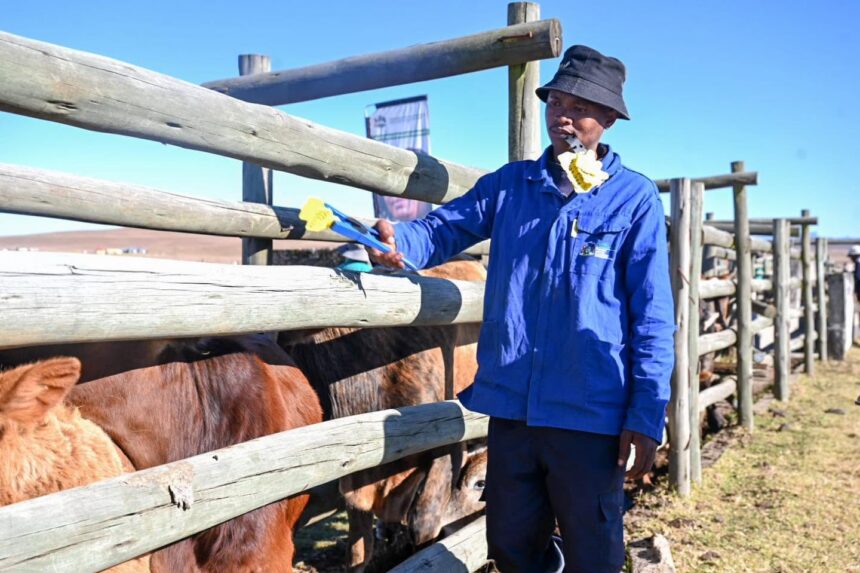
Veterinary-led teams have already vaccinated 2 122 animals and tagged 1 954 livestock across 10 diptanks in and around Inanda, including Mzinyathi, Amatikwe and Amatata. Inanda has been a key focus area due to its dense livestock farming communities and reliance on communal grazing systems. The use of diptanks has allowed teams to reach farmers efficiently while ensuring proper handling and record keeping of each animal. Veterinary professionals and animal health technicians have worked systematically to manage large numbers of livestock in a controlled environment. These efforts have helped ensure that both vaccination and tagging targets are progressing steadily.
The MEC for the department, Thembeni kaMadlopha-Mthethwa, has praised the teams on the ground for their commitment and resilience during the early stages of the drive. She highlighted the dedication shown by veterinarians, animal health technicians, and support staff who continued working despite cold weather conditions in some areas. According to her, the consistency and discipline demonstrated by field teams reflect the department’s broader commitment to protecting livestock and supporting rural livelihoods. She also acknowledged the importance of teamwork in reaching farmers who depend heavily on state support services. Her message reinforced the value of sustained field presence in improving animal health outcomes.
The vaccination and tagging programme forms part of a wider strategy aimed at preventing animal disease outbreaks and strengthening livestock traceability systems across the province. The initiative helps ensure that livestock are properly identified, recorded, and protected against common diseases that can affect productivity and trade. By linking vaccination data with animal identification tags, the department is building a stronger monitoring system that can track livestock movement more effectively. This system is especially important in communal farming areas where animals often move between grazing sites. Improved traceability also supports faster response times in the event of disease detection.
Farmers in eThekwini have been urged to continue cooperating with veterinary teams and to present their livestock at designated diptanks before the programme concludes on 16 June 2026. The Department of Agriculture and Rural Development has emphasized that participation is essential for achieving full coverage and strengthening herd immunity across the region. Officials have also encouraged farmers to remain engaged with animal health programmes beyond this campaign to ensure long term benefits for their livestock. Continued collaboration between government and farming communities is seen as key to sustaining animal health improvements. The success of this drive is expected to contribute to stronger livestock production systems and improved rural economic stability in the region.
Join 'Farmers Mag' WhatsApp Channel
Get the latest Farming news and tips delivered straight to your WhatsApp
CLICK HERE TO JOIN