Chemical-free farming in South Africa is gaining attention as farmers, consumers, and agricultural experts respond to rising concerns about soil degradation, food safety, and long-term sustainability. This approach focuses on growing crops and raising livestock without synthetic fertilisers, pesticides, herbicides, or genetically modified inputs. Instead, it relies on natural processes, organic inputs, and ecological balance to maintain productivity. South African farmers face unique challenges such as drought, soil erosion, and input cost pressures, which make sustainable methods more relevant. Chemical-free farming offers a practical pathway to reduce costs while improving soil health and food quality over time.
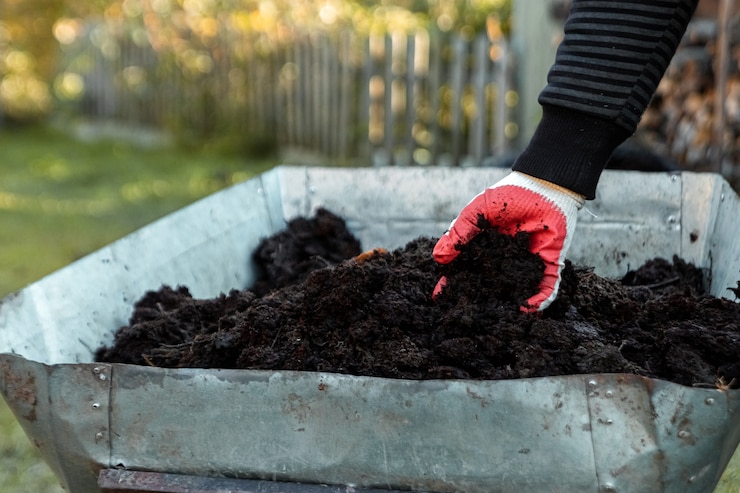
At the core of chemical-free farming is soil management. Healthy soil acts as a living system that supports plant growth through nutrients, microbes, and organic matter. Farmers in South Africa often use compost, animal manure, green manure, and crop rotation to improve soil fertility without chemicals. These methods help restore depleted land, especially in areas affected by intensive commercial farming. Mulching is also widely used to retain moisture, which is critical in regions that experience irregular rainfall. By focusing on soil biology rather than synthetic inputs, farmers build long-term productivity instead of short-term yield spikes.
Pest and disease control in chemical-free farming requires a different mindset compared to conventional agriculture. Instead of eliminating pests completely, farmers aim to manage them through natural balance. Techniques include intercropping, where different crops are grown together to reduce pest spread, and companion planting, which uses certain plants to repel harmful insects. Natural sprays made from garlic, neem, or chilli are also commonly used in South African organic systems. Encouraging beneficial insects like ladybirds and bees helps maintain ecological balance and supports pollination. These methods reduce dependency on expensive chemical pesticides while protecting biodiversity on farms.
Water management is another important part of chemical-free farming in South Africa, especially in a country where drought conditions can impact production. Farmers use drip irrigation, rainwater harvesting, and soil moisture conservation techniques to maximise water efficiency. Organic matter in soil plays a key role in retaining water, making composting and mulching essential practices. Many small-scale farmers also design planting systems that reduce evaporation and improve water infiltration into the soil. These strategies help farms remain productive even under climate stress. Efficient water use also reduces production costs and supports long-term resilience.
Chemical-free farming continues to grow in South Africa as more farmers recognise its economic and environmental benefits. While the transition from conventional methods can be challenging, especially in the early stages, the long-term gains include healthier soil, reduced input costs, and improved food quality. Support from agricultural organisations, training programmes, and local cooperatives plays a key role in helping farmers adopt these practices successfully. Consumer demand for organic and naturally grown food is also increasing, creating new market opportunities. Chemical-free farming offers a sustainable path forward that aligns food production with environmental care, ensuring that future generations can continue to benefit from productive agricultural land.
Join 'Farmers Mag' WhatsApp Channel
Get the latest Farming news and tips delivered straight to your WhatsApp
CLICK HERE TO JOIN