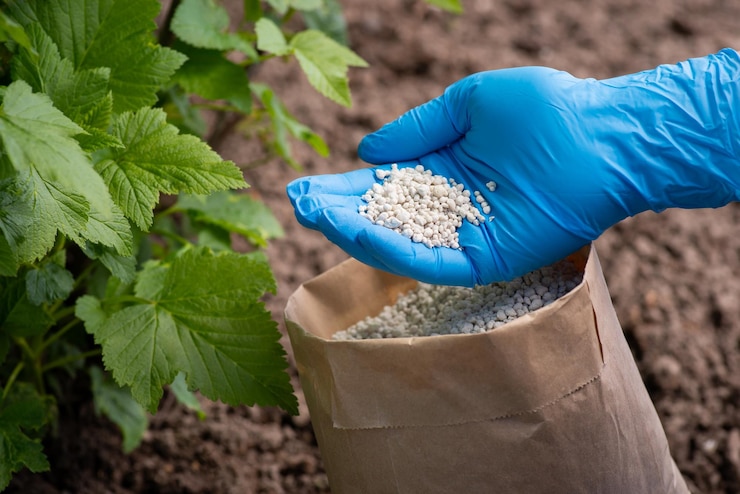
Fertiliser plays a crucial role in modern agriculture, helping farmers achieve higher yields, improve crop quality, and maintain productive land. However, successful fertilisation is not simply about applying nutrients to a field. It is about understanding what the soil needs and providing the right nutrients at the right time and in the correct amounts. Across South Africa, soil conditions vary significantly from one region to another, making it essential for farmers to adopt a tailored approach to soil fertility management. Whether growing maize in the Free State, vegetables in Limpopo, citrus in the Eastern Cape, or sugarcane in KwaZulu-Natal, understanding fertiliser requirements can make the difference between average and exceptional production. Effective fertiliser management also contributes to long-term soil health and environmental sustainability.
Many farmers make the mistake of applying fertiliser based on habit, previous practices, or general recommendations without first understanding the condition of their soil. Soil is a living system that contains varying levels of nutrients, organic matter, moisture, and microorganisms. Over time, crops remove nutrients from the soil, and these nutrients must be replenished to maintain productivity. However, different soils lose nutrients at different rates and have different capacities to hold and release them. This is why soil testing is considered one of the most important tools in modern farming. A soil analysis provides valuable information about nutrient levels, soil pH, and other characteristics that influence plant growth.
The three primary nutrients found in most fertilisers are nitrogen, phosphorus, and potassium, commonly referred to as NPK. Nitrogen promotes leafy growth and is particularly important for crops such as maize, wheat, and vegetables. Phosphorus supports root development, flowering, and early plant establishment. Potassium helps regulate water movement within plants, strengthens disease resistance, and improves overall crop quality. While these nutrients receive the most attention, crops also require secondary nutrients such as calcium, magnesium, and sulphur. A balanced fertilisation programme must consider all these elements to achieve optimal results.
Micronutrients are equally important, even though crops require them in smaller quantities. Elements such as zinc, boron, copper, manganese, iron, and molybdenum play critical roles in plant development and productivity. Deficiencies in micronutrients can significantly reduce yields, even when nitrogen, phosphorus, and potassium levels are adequate. In many South African soils, zinc and boron deficiencies are common and can affect crop performance if not addressed. Farmers who rely solely on traditional fertiliser programmes may overlook these essential nutrients. Regular soil and tissue testing can help identify deficiencies before they become serious production problems.
Soil pH is another critical factor that influences fertiliser effectiveness. Even when sufficient nutrients are present in the soil, crops may struggle to absorb them if the pH level is too high or too low. Many South African agricultural soils tend to become acidic over time due to rainfall patterns, fertiliser use, and natural soil processes. Acidic soils can limit nutrient availability and negatively affect root development. Applying agricultural lime where necessary can help correct pH imbalances and improve nutrient uptake. Maintaining the correct soil pH allows fertilisers to perform more efficiently and supports healthier crop growth.
Organic matter is often overlooked when discussing fertilisation, yet it is one of the foundations of soil fertility. Organic matter improves soil structure, increases water retention, enhances nutrient availability, and supports beneficial microbial activity. Farmers can increase organic matter levels through practices such as cover cropping, compost application, manure incorporation, and conservation agriculture. Healthy soils rich in organic matter often require less synthetic fertiliser because they naturally retain and recycle nutrients more effectively. Building soil organic matter is a long-term investment that delivers both economic and environmental benefits.
South Africa’s diverse climate conditions also influence fertiliser management decisions. In regions prone to drought, farmers must carefully manage fertiliser applications to avoid nutrient losses and maximise efficiency. Applying large amounts of fertiliser during dry periods may not provide the desired results if crops lack sufficient moisture to absorb nutrients. Conversely, excessive rainfall can lead to nutrient leaching, particularly nitrogen, resulting in reduced effectiveness and increased costs. Matching fertiliser applications to weather conditions and crop growth stages can improve nutrient use efficiency and reduce waste. Precision agriculture technologies are increasingly helping farmers make these decisions more accurately.
The timing and placement of fertiliser are just as important as the type of fertiliser used. Applying nutrients too early, too late, or in the wrong location can reduce their effectiveness. Many crops benefit from split applications, where nutrients are applied at different growth stages to match crop demand. Precision placement near the root zone can improve nutrient uptake and reduce losses. Modern farming equipment and technologies allow producers to apply fertilisers more accurately, improving both productivity and profitability. Efficient fertiliser use is becoming increasingly important as input costs continue to rise.
Environmental sustainability is also a growing consideration in fertiliser management. Over-application of fertilisers can contribute to water pollution, soil degradation, and unnecessary financial losses. Responsible nutrient management helps protect natural resources while maintaining agricultural productivity. Farmers are increasingly adopting integrated soil fertility management strategies that combine organic and inorganic nutrient sources. These approaches support long-term soil health and help ensure sustainable production systems. Balancing productivity with environmental stewardship is becoming a key objective for agricultural businesses across the country.
Understanding fertiliser is ultimately about understanding the soil. Every farming operation has unique conditions that require careful assessment and informed decision-making. Soil testing, balanced nutrient management, appropriate pH correction, and attention to organic matter all contribute to healthier crops and improved yields. Farmers who invest time in understanding what their soil really needs are better positioned to maximise productivity while reducing unnecessary input costs. As South African agriculture continues to evolve in response to climate, market, and sustainability challenges, effective fertiliser management will remain one of the most important tools for achieving long-term farming success.
Join 'Farmers Mag' WhatsApp Channel
Get the latest Farming news and tips delivered straight to your WhatsApp
CLICK HERE TO JOIN