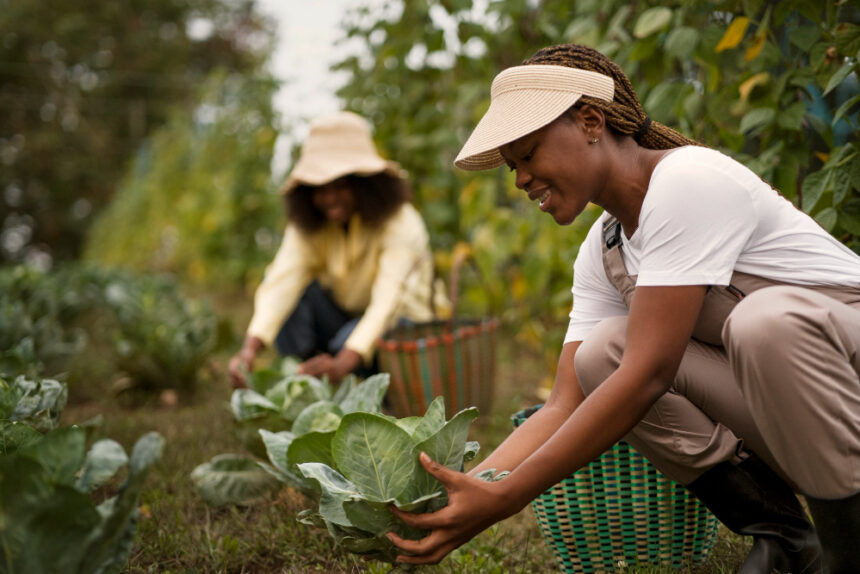
Youth vegetable farming in South Africa is becoming one of the most practical entry points into agriculture for young people looking for income and long-term business opportunities. Rising unemployment and limited formal job access have pushed many young people toward farming as a realistic alternative. Vegetable production is especially attractive because it requires less land, offers fast harvest cycles and provides regular cash flow. Crops such as spinach, cabbage, tomatoes, onions and carrots are in constant demand across urban and rural markets. With the right planning and management, young farmers can turn small plots into sustainable income-generating farms.
The first step in youth vegetable farming is choosing the right piece of land with suitable soil and water access. Vegetables require fertile, well-drained soil with good organic matter content to support strong growth and high yields. Soil testing is essential before planting to determine pH levels and nutrient balance. Most vegetable crops perform best in slightly acidic to neutral soil conditions. Access to a reliable water source such as boreholes, irrigation schemes or dams is critical, especially in dry regions of South Africa where rainfall is unpredictable.
Once land is secured, young farmers must focus on selecting high-demand vegetable crops that match local market needs. Spinach is one of the most profitable starter crops because it grows quickly and can be harvested multiple times. Cabbage is also popular due to its strong market demand and longer shelf life. Tomatoes and onions require more management but offer higher returns when properly produced. It is important to start with a small variety of crops rather than planting too many types at once, as this helps manage risk and improve learning.
Land preparation is a key stage that directly affects crop performance and yield quality. Proper ploughing, soil loosening and removal of weeds help create a strong foundation for planting. Adding compost or organic manure improves soil fertility and water retention. Raised beds are often used in vegetable farming to improve drainage and root development. Careful spacing between plants ensures better airflow, which reduces the risk of disease and improves overall plant health.
Water management is one of the most important factors in successful vegetable farming. Young farmers should consider drip irrigation systems because they use water efficiently and deliver moisture directly to plant roots. Overwatering can damage crops and increase the risk of fungal diseases, while under-watering reduces growth and yield quality. Irrigation schedules should be adjusted based on weather conditions, soil type and crop stage. Consistent water supply is essential during germination and early growth stages.
Fertilisation and soil nutrition management are critical for achieving high yields in vegetable farming. Farmers should use a combination of organic and inorganic fertilisers based on soil test results. Nitrogen supports leafy growth, phosphorus supports root development and potassium improves overall plant strength and fruit quality. Overuse of fertiliser can damage crops and increase production costs, so careful application is necessary. Regular soil monitoring helps maintain long-term productivity and prevents nutrient depletion.
Pest and disease control is another major area that young vegetable farmers must manage effectively. Common pests such as aphids, caterpillars and cutworms can damage crops quickly if not controlled. Farmers should use integrated pest management methods that combine natural controls, crop rotation and safe chemical applications when necessary. Early detection is important to prevent large-scale crop losses. Regular field inspections help identify problems before they spread across the entire farm.
Market access plays a major role in determining the success of youth vegetable farming businesses in South Africa. Farmers can sell produce through local fresh produce markets, supermarkets, spaza shops, schools and direct household buyers. Building relationships with local traders and retailers helps ensure consistent sales. Packaging and presentation also influence pricing and demand, especially in formal retail markets. Farmers who understand market requirements are better positioned to negotiate fair prices and reduce post-harvest losses.
Record keeping is an essential business practice that helps young farmers track production costs, income and performance. Keeping records of input costs such as seeds, fertiliser, labour and transport helps farmers understand profitability. It also helps in planning future planting cycles and improving efficiency. Financial discipline ensures that farming remains sustainable rather than dependent on short-term gains. Good records also support access to funding and agricultural support programmes.
Youth vegetable farming in South Africa also benefits from training, mentorship and government support programmes. Agricultural extension officers, training centres and farmer development initiatives provide technical guidance and business support. Young farmers are encouraged to join cooperatives or farmer groups to share knowledge and reduce costs through bulk purchasing of inputs. Networking with experienced farmers helps improve skills and reduce mistakes in production. Continuous learning is essential in a sector that is influenced by climate, markets and technology.
Youth vegetable farming offers a realistic pathway to income generation, job creation and long-term agricultural development in South Africa. With proper planning, soil management, irrigation and market access strategies, young farmers can build successful farming enterprises even on small plots of land. The key to success lies in starting small, learning continuously and managing resources carefully. Vegetable farming provides fast returns, making it ideal for young entrepreneurs entering agriculture for the first time. With the right commitment and support, youth farming can grow into a strong contributor to food security and rural economic development across the country.
Join 'Farmers Mag' WhatsApp Channel
Get the latest Farming news and tips delivered straight to your WhatsApp
CLICK HERE TO JOIN