Choosing the right land for farming in South Africa is one of the most important decisions a farmer can make, and it often determines whether a farming operation will succeed or fail. Land selection affects crop yield, livestock health, production costs and long-term sustainability. South Africa has diverse farming regions, from high rainfall areas to dry semi-arid zones, so land suitability varies widely across provinces. Farmers must evaluate soil quality, water availability and climate conditions before committing to any piece of land. A poor land choice can lead to constant losses, even with good farming skills and strong management.
Soil quality is the first major factor to assess when selecting farmland. Healthy soil supports strong root development, better nutrient absorption and higher yields. Farmers should test soil texture, pH levels and organic matter content before making a decision. Sandy soils drain quickly but may require more irrigation, while clay soils hold water but can become compacted. Loamy soil is often preferred because it balances drainage and fertility. In South Africa, different regions such as the Free State, Mpumalanga and Limpopo offer varying soil types, so matching crops to soil conditions is essential.
Water availability is another critical factor that can determine the success of a farm. Rainfall patterns differ significantly across South Africa, with some areas receiving reliable annual rainfall and others relying heavily on irrigation. Farmers must check access to boreholes, rivers, dams or irrigation schemes before purchasing or leasing land. Water rights and legal access are equally important, as restrictions can limit production capacity. In dry regions, efficient irrigation systems such as drip or pivot irrigation may be necessary to sustain crops. Without consistent water supply, even fertile land can become unproductive.
Climate conditions play a major role in determining which crops or livestock systems are suitable for a specific area. Temperature ranges, frost risk and rainfall distribution all affect agricultural performance. For example, maize and sunflower perform well in warmer inland areas, while fruit production often thrives in regions with moderate climates like parts of the Western Cape. Livestock farming also depends on climate, with grazing quality varying between summer and winter rainfall regions. Farmers must match their production system to local weather patterns to reduce risk and improve efficiency.
Access to infrastructure is often overlooked but has a direct impact on farm profitability. Good roads reduce transport costs and make it easier to move produce to markets. Electricity supply supports irrigation systems, cold storage and processing activities. Proximity to suppliers, labour and agricultural services also reduces operational challenges. In South Africa, farms located closer to towns or agricultural hubs often benefit from better logistics and market access. Remote farms may offer cheaper land but usually come with higher operational costs.
Land tenure and legal considerations are equally important when selecting farmland. Farmers must confirm ownership status, zoning regulations and land-use rights before making any investment. In some cases, land may be leased from the government, traditional authorities or private owners, each with different legal conditions. Clear agreements protect farmers from disputes and ensure long-term stability. It is also important to check whether the land is registered for agricultural use, as this can affect financing and development opportunities.
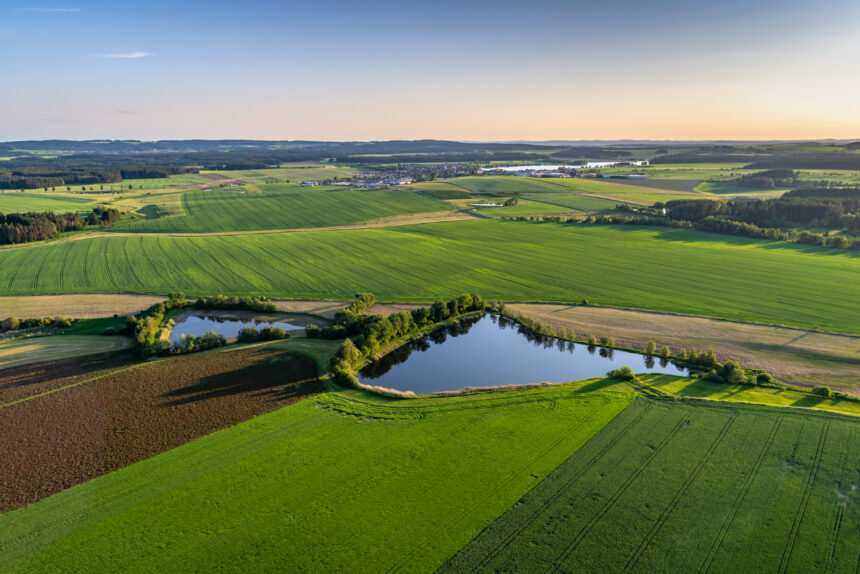
Topography and land layout also influence farming efficiency. Flat or gently sloping land is generally easier to cultivate and irrigate, while steep terrain may limit mechanisation and increase soil erosion risks. Farmers should assess drainage patterns to avoid waterlogging in low-lying areas. The size and shape of the land matter as well, since irregular plots can reduce planting efficiency and increase fuel and labour costs. Proper land assessment helps farmers design more efficient production systems from the start.
Before finalising any land purchase or lease, farmers should conduct a full feasibility assessment that includes soil testing, water analysis, climate review and financial planning. Consulting agricultural extension officers or agronomists can help identify hidden risks that may not be obvious during initial inspections. Farmers should also consider long-term factors such as climate change, market access and expansion potential. A careful evaluation reduces risk and improves the chances of building a sustainable farming business.
Choosing the right land for farming in South Africa requires a balance between natural conditions, legal security and practical farming needs. Farmers who take time to assess soil, water, climate and infrastructure position themselves for stronger yields and lower operational risk. Good land selection supports productivity, profitability and long-term sustainability in both crop and livestock farming systems. With proper planning and expert guidance, farmers can turn suitable land into a stable and productive agricultural enterprise that supports both income and food security.
Join 'Farmers Mag' WhatsApp Channel
Get the latest Farming news and tips delivered straight to your WhatsApp
CLICK HERE TO JOIN