Rural development in South Africa is creating real farming opportunities that go beyond policy and into practical production systems. Farmers in rural areas now have access to more structured support in crop production, livestock farming and agro-processing activities that directly improve income and productivity. Provinces such as Limpopo, Eastern Cape, KwaZulu-Natal and parts of the Free State are seeing increased investment in farming infrastructure and training programmes. These developments are helping farmers move from subsistence production into commercial agriculture. The focus is shifting toward usable farming systems that can increase yields, improve efficiency and create stable rural employment.
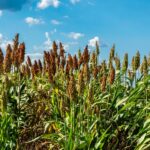
Crop farming remains one of the strongest opportunities for rural farmers, especially in staple and high-demand produce. Maize, beans, potatoes, vegetables and grains continue to dominate production systems across rural South Africa. Farmers are gaining access to improved seed varieties, better fertiliser support and training in modern planting techniques. Irrigation development is expanding in many rural areas, allowing farmers to produce more consistently even during dry seasons. Conservation agriculture practices such as minimum tillage and crop rotation are also improving soil health and long-term productivity.
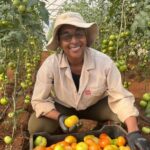
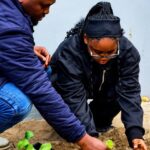
Vegetable farming is becoming a high-value entry point for many small and emerging farmers. Crops such as spinach, tomatoes, cabbage and onions offer shorter production cycles and quicker cash flow compared to grain farming. Many rural farmers are using small irrigation plots and backyard farming systems to supply local markets, schools and retailers. Cold storage and transport support are improving in some districts, allowing farmers to reduce post-harvest losses. These systems make vegetable production one of the most practical starting points for rural agricultural entrepreneurs.
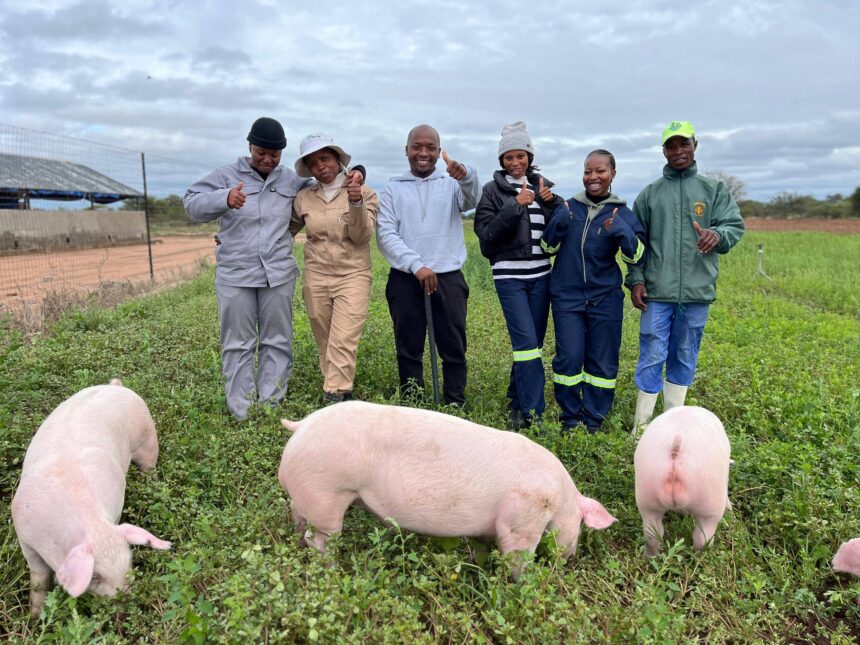
Livestock farming continues to play a major role in rural development opportunities across South Africa. Cattle, goats, sheep and poultry farming are expanding due to improved access to veterinary services, breeding stock and feed support. Communal farmers are increasingly participating in structured livestock improvement programmes that focus on herd quality, disease control and weight gain performance. Poultry farming, especially broiler and egg production, is growing rapidly due to high local demand and relatively low entry costs. Livestock farming provides both food security and steady income when managed properly with good feeding and health systems.
Mixed farming systems are becoming more common as farmers combine crops and livestock on the same land. Crop residues are used as animal feed, while manure is applied to improve soil fertility, reducing input costs. This integrated approach improves efficiency and reduces waste, especially in smallholder and communal farming systems. Farmers benefit from diversified income streams, which lowers risk during droughts or market fluctuations. Mixed farming is proving to be one of the most practical models for rural areas with limited land and resources.
Agro-processing is another growing opportunity that is directly linked to farming production. Farmers are now encouraged to add value to their produce through milling, packaging, drying and basic food processing. Maize can be processed into mealie meal, vegetables can be packaged for local retail, and livestock products can be processed into meat and dairy products. This reduces dependence on raw product sales and improves profit margins. Small-scale processing units in rural areas also create local jobs in sorting, packaging, transport and sales.
Water access and irrigation infrastructure are critical operational factors for rural farming success. Boreholes, small dams and irrigation schemes are helping farmers stabilise production in drought-prone areas. Drip irrigation and sprinkler systems are increasingly used to improve water efficiency and reduce crop stress. Farmers who invest in water management systems are seeing more consistent yields and better crop quality. Efficient water use is becoming a key requirement for sustainable farming in most rural regions.
Access to inputs and mechanisation is improving through government and private sector support programmes. Farmers are receiving assistance with tractors, ploughing services, seeds, fertilisers and fencing materials. Mechanisation is reducing labour pressure and improving planting and harvesting efficiency. Shared equipment models through cooperatives are also helping small farmers access machinery they could not afford individually. These improvements are making farming more productive and less physically demanding.
Market access remains one of the most important parts of rural farming success. Farmers are increasingly linked to local fresh produce markets, supermarkets, cooperatives and institutional buyers such as schools and hospitals. Digital platforms are also helping farmers connect directly with buyers and reduce reliance on intermediaries. Better market access improves pricing stability and reduces post-harvest losses. Farmers who understand market requirements are better positioned to scale production and increase income.
Livestock marketing is also improving through structured auction systems and community sales points. Farmers can now sell cattle, goats and sheep through organised markets that provide clearer pricing and better competition. Veterinary certification and animal health monitoring are becoming more important for accessing formal markets. These systems improve buyer confidence and support better income for livestock farmers. Proper record keeping and herd management are now essential for long-term success in livestock farming.
Rural development in South Africa is creating real, practical farming pathways that focus on production, efficiency and income generation. Farmers who engage in crop production, livestock farming and agro-processing are better positioned to build sustainable rural businesses. Access to water, inputs, training and markets is improving slowly but steadily across provinces. The strongest opportunities are found in integrated farming systems that combine crops and livestock for balanced income. With the right support and management, rural farming can become a stable and profitable economic driver for communities across the country.
Join 'Farmers Mag' WhatsApp Channel
Get the latest Farming news and tips delivered straight to your WhatsApp
CLICK HERE TO JOIN