Fire management is a critical part of farming in South Africa, especially in regions where dry seasons, strong winds, and high temperatures increase the risk of veld fires. A single uncontrolled fire can destroy crops, livestock feed, fencing, and infrastructure within hours. Fire breaks act as a first line of defense by slowing or stopping the spread of fire across a farm. They are a legal requirement in many areas and a practical safety measure for protecting agricultural investments. Farmers who maintain proper fire breaks reduce risk and improve overall farm resilience during fire season.
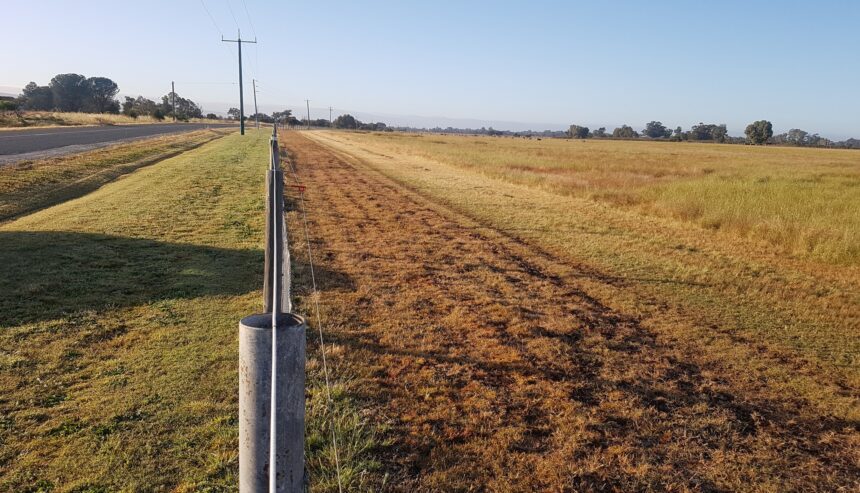
A fire break is a cleared strip of land designed to stop or slow down the movement of fire. It can be created by removing vegetation, ploughing soil, or using controlled burning under safe and regulated conditions. The width of a fire break depends on terrain, vegetation type, and local fire risk conditions. In high risk areas, wider fire breaks are often necessary to ensure effectiveness. The goal is to create a barrier that removes fuel for fires, making it harder for flames to spread between fields, grazing areas, and neighbouring properties. Proper planning ensures that fire breaks are placed in strategic locations across the farm.
Creating effective fire breaks requires careful timing and preparation. Most farmers prepare fire breaks during cooler months before the peak fire season begins. This reduces the risk of accidental fires during construction and ensures that the land is cleared when vegetation is easier to manage. Mechanical methods such as ploughing or grading are commonly used to remove grass and shrubs. In some cases, controlled burning is used, but it must be done under strict supervision and compliance with local fire safety regulations. Weather conditions such as wind speed and humidity must always be considered before starting any fire break work.
Maintenance is just as important as creation because fire breaks lose effectiveness when vegetation grows back. Regular inspection ensures that grass, weeds, and shrubs do not regrow and create fuel for fire spread. Farmers often maintain fire breaks by mowing, re-ploughing, or applying controlled grazing with livestock. Maintenance should be done throughout the year, not only during fire season. Coordination with neighbouring farms is also important to ensure that fire breaks connect properly and form continuous protection lines. Without coordination, gaps can allow fires to spread between properties.
Fire breaks also form part of a broader fire management strategy that includes early warning systems, equipment readiness, and staff training. Farmers should keep firefighting tools such as water tanks, pumps, beaters, and protective clothing ready during high risk periods. Communication systems should be in place to alert neighbouring farms quickly in case of fire outbreaks. Training workers on how to respond safely to veld fires reduces injury risk and improves response time. Fire awareness education helps farm communities understand how quickly fires can spread and how to respond effectively.
In South Africa, fire prevention is supported by legislation that requires landowners to take reasonable steps to prevent the spread of veld fires. This includes maintaining fire breaks and participating in local fire protection associations where applicable. Compliance is not only a legal requirement but also a practical step in protecting livelihoods and agricultural productivity. Farms that invest in proper fire management reduce long term financial losses and improve operational stability. Fire breaks, when properly designed and maintained, provide a strong safeguard against one of the most destructive natural risks in agriculture.
Join 'Farmers Mag' WhatsApp Channel
Get the latest Farming news and tips delivered straight to your WhatsApp
CLICK HERE TO JOIN