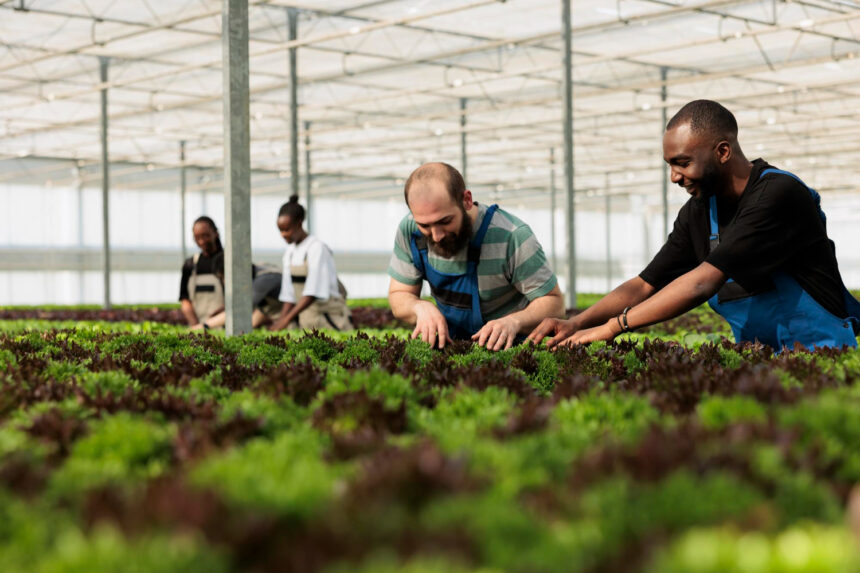
Cooperative farming in South Africa gives you a practical way to grow your agricultural business while reducing risk. Many small and emerging farmers face high input costs, limited access to markets and weak bargaining power when working alone. A cooperative allows you to join forces with other farmers and operate as a single unit with shared goals. This structure helps you improve efficiency and build a stronger presence in the market. It also supports community development by creating jobs and increasing local food production. In South Africa, cooperatives play a key role in rural development and economic inclusion. If you want a structured way to scale your farming efforts, cooperative farming offers a clear path.
A cooperative is a business that is owned and controlled by its members, where each member has an equal vote in decision making. This ensures that no single person dominates the group, which promotes fairness and accountability. In farming, members usually work together to buy inputs, share equipment and sell produce collectively. This approach reduces costs and increases efficiency across the board. Profits are either shared among members or reinvested into the cooperative to support growth. The focus is not only on profit but also on long term sustainability and shared success. This makes cooperatives different from traditional farming businesses.
Starting a cooperative requires planning and commitment from all members. You first need to identify a common problem such as high feed costs, lack of irrigation or poor market access. Once the need is clear, you gather a group of farmers who share the same goal and are willing to work together. Trust and clear communication are essential at this stage because they form the foundation of the cooperative. You then decide on the type of cooperative you want to form, such as a production cooperative or a marketing cooperative. Each type serves a different purpose, so your decision must match your main objective. A clear plan helps you avoid confusion later.
Legal registration is an important step that gives your cooperative formal recognition. In South Africa, cooperatives must follow national laws that regulate how they operate and how decisions are made. You need a minimum number of members and a written constitution that outlines roles, responsibilities and governance rules. This document helps prevent disputes and ensures transparency in operations. Registration also allows your cooperative to apply for funding and support programmes. Without proper registration, it becomes difficult to access financial assistance or enter formal markets. Taking time to complete this step correctly sets a strong foundation.
One of the biggest benefits of cooperative farming is cost savings. When you buy seeds, fertiliser and other inputs in bulk, you pay less per unit. This directly improves your profit margins. You also gain access to shared equipment, which reduces the need for each farmer to invest in expensive machinery. Marketing as a group allows you to supply larger quantities, which attracts bigger buyers and better prices. This increases your negotiating power and reduces dependence on middlemen. Over time, these advantages can significantly improve your income.
Cooperative farming also improves skills and knowledge among members. Farmers share experiences and learn new techniques from each other. This leads to better crop management, improved yields and more efficient use of resources. Many cooperatives also receive training from agricultural organisations and government programmes. These training sessions focus on both farming practices and business management. As a result, you become a more informed and capable farmer. Strong knowledge within the group increases the chances of long term success.
Despite the benefits, cooperative farming comes with challenges that you need to manage carefully. Poor leadership can lead to confusion and slow decision making. Conflicts between members can also disrupt operations if not handled properly. Financial mismanagement is another common issue that can damage trust within the group. To avoid these problems, you need clear rules, strong leadership and regular communication. Keeping accurate financial records and holding regular meetings helps maintain transparency. Training in leadership and business skills is just as important as farming knowledge.
Access to funding is often a key factor in the success of a cooperative. Government programmes and financial institutions in South Africa provide support for agricultural cooperatives. These funds can help you buy equipment, build infrastructure and expand production. However, funding is usually only available to cooperatives that are properly registered and well managed. A clear business plan and accurate records improve your chances of approval. You should also explore partnerships with private companies and retailers to secure stable markets. Diversifying your income sources reduces risk and strengthens your cooperative.
Cooperative farming in South Africa gives you a structured way to build a sustainable and profitable agricultural business. It helps you reduce costs, improve market access and share resources with other farmers. The model also supports community growth by creating opportunities and strengthening local economies. Success depends on strong leadership, clear planning and active participation from all members. When you manage the cooperative well, it can grow into a stable and productive enterprise. If you want to expand your farming operation and improve your income, cooperative farming offers a practical and effective solution.
Join 'Farmers Mag' WhatsApp Channel
Get the latest Farming news and tips delivered straight to your WhatsApp
CLICK HERE TO JOIN