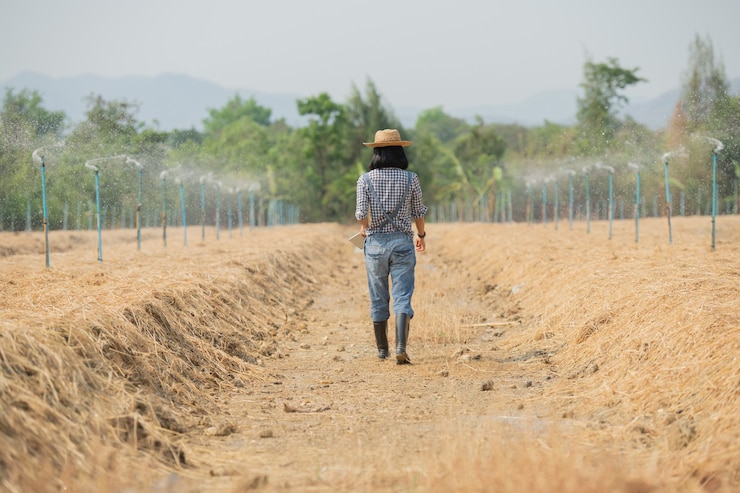
Climate change is reshaping farming conditions across South Africa and forcing farmers to rethink how they produce food. Rising temperatures, unpredictable rainfall, prolonged droughts, and sudden floods are now part of normal farming life. These changes affect crop yields, livestock health, and water availability in every province. Farmers who once relied on predictable seasons now face uncertainty that can reduce income and increase risk. Adaptation has become essential for survival and long-term productivity in the agricultural sector. The focus is no longer only on increasing production but also on protecting farms from climate-related shocks.
Water management is one of the most important adaptation strategies for South African farmers. Many regions already experience water scarcity, and climate change is making this worse. Farmers are investing in drip irrigation systems that use less water while maintaining crop output. Rainwater harvesting systems are also becoming more common on both small and large farms. Soil moisture conservation techniques such as mulching and reduced tillage help retain water in the soil for longer periods. These methods reduce dependence on rainfall and improve resilience during dry seasons. Efficient water use is now a core part of modern farming practices.
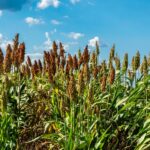
Crop selection is also changing as farmers adjust to shifting climate conditions. Traditional crops that require stable rainfall patterns are being replaced or supplemented with more drought-resistant varieties. Farmers are increasingly turning to crops like sorghum, millet, and certain maize hybrids that can survive harsher conditions. Research institutions and agricultural extension services are helping farmers identify suitable seeds for their regions. Diversification of crops is also becoming more common to reduce risk if one crop fails. This approach helps stabilize income and improves food security at both household and national levels.
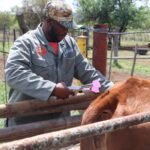
Livestock farmers are also adapting to climate pressures in practical ways. Heat stress in animals is becoming a major concern, especially during hotter summers. Farmers are improving shelter systems to provide shade and reduce heat exposure for cattle, sheep, and goats. Water supply for livestock is being secured through better storage systems and more reliable boreholes. Some farmers are adjusting grazing patterns to prevent overuse of land during dry periods. Others are investing in climate-resilient breeds that can tolerate higher temperatures and lower feed availability. These changes help protect animal health and maintain productivity under difficult conditions.
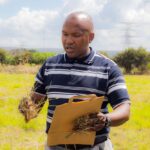
Technology and data use are playing a growing role in climate adaptation. Weather forecasting tools and mobile apps now help farmers plan planting and harvesting more accurately. Satellite data and soil monitoring systems provide real-time information on field conditions. This allows farmers to make faster decisions and reduce losses caused by sudden weather changes. Agricultural extension officers are also using digital tools to reach more farmers with advice and support. Access to information has become just as important as access to land and water in modern farming.
Climate change adaptation is now a central part of farming in South Africa and will continue to grow in importance. Farmers who invest in water efficiency, resilient crops, livestock protection, and modern technology are better positioned to handle changing conditions. These strategies reduce risk and improve long-term stability in the agricultural sector. Government support, research, and private sector involvement also play a key role in helping farmers adjust successfully. The future of farming depends on how well these adaptation methods are adopted and maintained. South Africa’s agricultural resilience will be shaped by how quickly and effectively farmers respond to a changing climate.
Join 'Farmers Mag' WhatsApp Channel
Get the latest Farming news and tips delivered straight to your WhatsApp
CLICK HERE TO JOIN