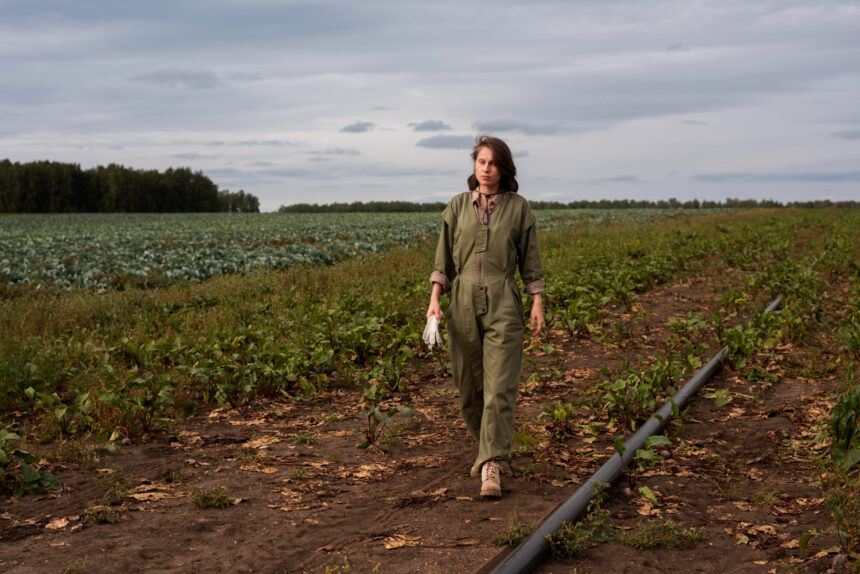
Regenerative agriculture in South Africa is gaining momentum as farmers look for ways to restore soil health, improve productivity, and reduce dependence on expensive inputs. This farming approach focuses on rebuilding natural ecosystems rather than depleting them. It works by improving soil fertility, increasing biodiversity, and strengthening the resilience of farming systems. Many South African farmers face challenges such as soil degradation, drought, and rising input costs, which makes regenerative practices increasingly relevant. The goal is to create farming systems that are productive, sustainable, and adaptable to climate change. By working with nature instead of against it, farmers can improve long-term yields and reduce environmental damage.
Soil health is the foundation of regenerative agriculture and plays a central role in farming success. Healthy soil contains organic matter, microbes, and nutrients that support strong plant growth. Regenerative practices focus on rebuilding this soil through composting, cover cropping, and reduced chemical use. Farmers are encouraged to avoid excessive tillage because it disrupts soil structure and reduces moisture retention. Keeping soil covered with plant residues helps protect it from erosion and extreme temperatures. Over time, these practices improve soil fertility and reduce the need for synthetic fertilizers.
Cover cropping is one of the most effective regenerative techniques used in South Africa. It involves planting crops such as legumes, grasses, or clover during off-seasons to protect and enrich the soil. These crops help fix nitrogen, improve soil structure, and suppress weeds naturally. Cover crops also reduce water loss by keeping the soil shaded and moist. When they are later incorporated into the soil, they add valuable organic matter. This method helps farmers maintain productive land without relying heavily on chemical inputs.
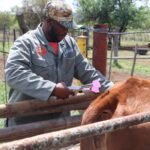
Livestock integration is another important component of regenerative agriculture. Managed grazing allows animals such as cattle, sheep, and goats to contribute to soil regeneration. When properly controlled, grazing helps distribute organic matter and stimulates plant growth. Animal manure adds nutrients to the soil, improving fertility naturally. Rotational grazing systems prevent overgrazing and allow land to recover between grazing periods. This approach supports both crop and livestock production within the same system. It also improves land productivity over time.
Water management is a key concern in South Africa due to frequent drought conditions. Regenerative agriculture helps improve water retention in soil through organic matter and improved soil structure. Healthy soil absorbs and stores more water, reducing the impact of dry periods. Farmers also use mulching techniques to reduce evaporation and protect soil moisture. Contour farming and natural water harvesting systems help slow down runoff and improve water infiltration. These methods reduce dependency on irrigation and improve drought resilience.
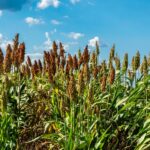
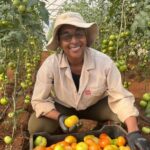
Biodiversity is essential for maintaining balanced and productive farming systems. Regenerative agriculture encourages the use of mixed cropping systems instead of monocultures. Plant diversity helps reduce pest outbreaks and improves ecosystem stability. Natural predators are encouraged to control pests instead of relying heavily on chemical pesticides. Trees and shrubs can also be integrated into farms through agroforestry systems. This creates a more balanced environment that supports both agriculture and wildlife.
Reducing chemical inputs is a core principle of regenerative farming. Excessive use of synthetic fertilizers and pesticides can damage soil life and reduce long-term productivity. Farmers are encouraged to use natural alternatives such as compost, manure, and biological pest control. These inputs improve soil health while lowering production costs. Over time, reduced chemical use leads to healthier crops and more sustainable farming systems. This approach also helps protect water sources from contamination.
Economic benefits are an important reason why farmers are adopting regenerative agriculture in South Africa. Although the transition may take time, reduced input costs and improved soil health lead to better long-term profitability. Farmers become less dependent on expensive fertilizers and chemicals. Improved soil structure also increases crop yields over time. Diversified farming systems provide multiple income streams, reducing financial risk. This makes regenerative agriculture both environmentally and economically sustainable.
Regenerative agriculture in South Africa offers a practical path toward sustainable farming in a changing climate. It focuses on restoring soil health, improving water management, and increasing biodiversity while maintaining productivity. Farmers who adopt these practices can reduce costs and build more resilient farming systems. The approach works across different scales, from smallholder farms to large commercial operations. With proper implementation and commitment, regenerative agriculture can transform degraded land into productive and sustainable farmland. It represents a long-term solution for food security, environmental protection, and agricultural growth in South Africa.
Join 'Farmers Mag' WhatsApp Channel
Get the latest Farming news and tips delivered straight to your WhatsApp
CLICK HERE TO JOIN