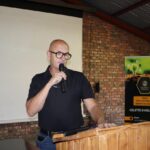

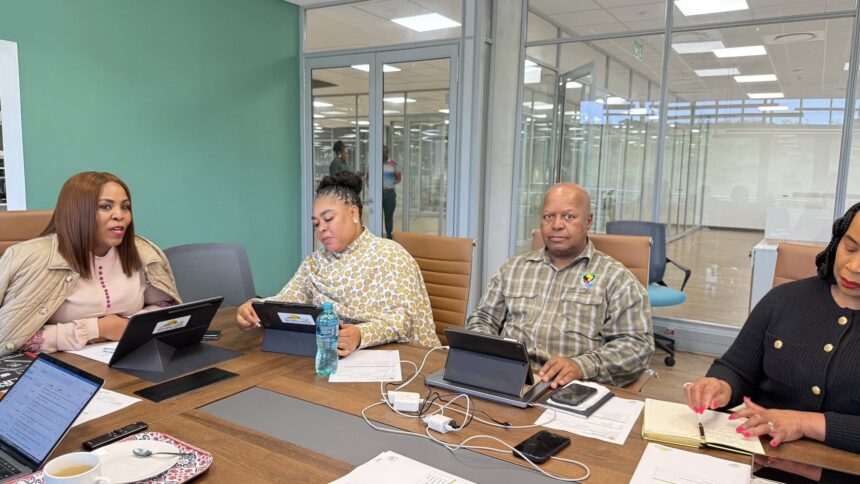
On 28 April 2026, a high-level meeting was held at the Mpumalanga International Food Market Boardroom in Mbombela, bringing together key stakeholders under the leadership of the MEC for Economic Development and Tourism, Jesta Sidell. The session focused on strengthening the province’s agricultural assets and improving coordination across departments responsible for land, farming operations, and environmental management. The discussions were centred on unlocking economic value from state-owned farms while ensuring compliance with governance frameworks and provincial development goals. The meeting highlighted the growing importance of aligning agricultural infrastructure with broader economic transformation objectives. It also reinforced the province’s commitment to using land resources more effectively to support job creation and sustainable growth. The outcomes of the meeting are expected to shape future decisions on farm management and agricultural development in Mpumalanga.
A major point of discussion was Tekwane Farm, where stakeholders reviewed its ownership structure, management arrangements, and current operational status. The farm carries historical significance, and its future direction is closely linked to previous directives issued by the Premier of Mpumalanga. Attention was given to ensuring that the farm operates in a way that aligns with provincial priorities and delivers measurable economic benefits. Concerns around efficiency and productivity were also raised, with a focus on improving how the farm is managed on a day-to-day basis. The discussion emphasized the need for clear governance structures that prevent mismanagement and ensure accountability. By addressing these issues, the province aims to unlock the full agricultural and economic potential of Tekwane Farm.
Loopspruit Farm was another key focus area during the meeting, particularly due to its current ownership under the Department of Rural Development and Land Reform. Plans are underway to transfer the property to the Mpumalanga Provincial Government to improve local control and operational effectiveness. This transfer is seen as a critical step toward revitalising the farm’s winery operations and expanding agro-processing activities linked to it. Once transferred, the farm will be made available through lease or allocation to identified beneficiaries who can actively contribute to its development. The goal is to ensure that the farm does not remain underutilised but instead becomes a productive economic asset. This approach reflects a broader strategy of turning dormant or underperforming land into active contributors to the provincial economy.
The revitalisation of Loopspruit Farm is expected to have a positive impact on rural development and employment creation. By focusing on winery operations and related agricultural activities, the province aims to strengthen value chains within the agro-processing sector. This can lead to increased demand for labour, skills development opportunities, and stronger market participation for local producers. The emphasis on beneficiary-driven development ensures that land reform objectives are supported through practical economic outcomes. It also encourages emerging farmers and entrepreneurs to participate in high-value agricultural industries. Over time, this can contribute to a more inclusive and diversified provincial economy.
Another significant topic addressed during the meeting was the proposed institutional shift of the biodiversity conservation function to the Department of Agriculture, Rural Development, Land and Environmental Affairs. This move aligns with existing legislative and regulatory frameworks as well as Executive Council resolutions. The shift is intended to improve coordination between environmental management and agricultural development functions. By consolidating responsibilities under one department, the province aims to reduce administrative fragmentation and improve service delivery. Biodiversity conservation plays a critical role in maintaining ecological balance, which directly supports sustainable agriculture. Integrating these functions ensures that development and environmental protection work together rather than in isolation.
The meeting reaffirmed the importance of coordinated governance in managing the province’s agricultural and environmental assets. Strong collaboration between departments is seen as essential for achieving long-term development goals. The discussions highlighted how effective land use can drive economic growth, create employment opportunities, and support sustainable rural development. By improving the management of farms like Tekwane and Loopspruit, the province is taking steps toward more productive use of state resources. The emphasis on legislative compliance also ensures that all actions are grounded in proper governance structures. This approach strengthens transparency and accountability in public asset management.
The outcomes of the 28 April 2026 meeting reflect a broader strategy to reposition Mpumalanga’s agricultural sector as a driver of economic transformation. Through improved farm management, land transfers, and institutional realignment, the province is working to unlock greater value from its resources. These efforts are designed to support inclusive growth while ensuring that agricultural assets contribute meaningfully to job creation and rural development. The focus on efficiency, governance, and sustainability highlights a structured approach to economic planning. As implementation progresses, these initiatives are expected to strengthen both agricultural productivity and environmental stewardship across the province.
Join 'Farmers Mag' WhatsApp Channel
Get the latest Farming news and tips delivered straight to your WhatsApp
CLICK HERE TO JOIN