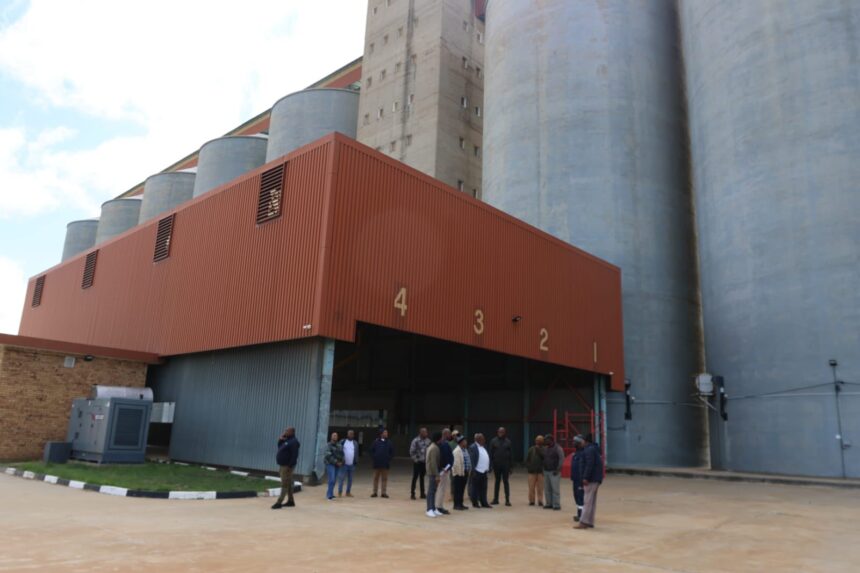
The North West Department of Agriculture and Rural Development has reached a significant milestone with the successful completion of Phase 2 of the Springbokpan Silos project. On 30 April, the Head of Department, Dr Hans Kekana, visited the facility to assess progress and confirm operational readiness. The visit highlighted the importance of the project in strengthening agricultural infrastructure in the province. The silos are now fully operational and positioned to support local farmers with improved grain storage capacity. This development comes at a time when efficient storage systems are increasingly important for food security and market stability. The project reflects a broader commitment to modernising agricultural systems and improving access to reliable post-harvest facilities.
During his visit, Dr Kekana took time to engage with the project team and observe the completed infrastructure. He confirmed that Phase 2 had been successfully finalised and that the silos are now functioning as intended. The operational status of the facility means farmers in the region now have access to improved storage services that reduce post-harvest losses. This is especially important in grain-producing areas where storage challenges can affect both quality and profitability. Dr Kekana also extended an invitation to farmers and agricultural stakeholders to visit the site and witness the progress firsthand. His message encouraged greater collaboration between government and the farming community to maximise the benefits of the facility.
The completion of Phase 2 represents a major step forward for agricultural logistics in the North West province. Proper grain storage plays a critical role in ensuring that farmers can store their produce safely while waiting for favourable market conditions. With the silos now fully operational, farmers are expected to benefit from reduced losses caused by spoilage, pests, and poor storage conditions. The facility also improves the efficiency of grain handling and distribution, which can help stabilise supply chains. This kind of infrastructure development supports both small-scale and commercial farmers by giving them access to modern and reliable storage systems. It also strengthens the overall agricultural value chain in the region.
The Springbokpan Silos project is designed in phases, with Phase 2 now complete and Phase 3 still ahead. The final phase will focus primarily on strengthening security measures at the facility. This includes improving access control, surveillance systems, and overall protection of stored grain. Security is a critical component in silo operations because large quantities of agricultural produce must be safeguarded against theft and damage. Once Phase 3 is completed, the facility will offer not only storage capacity but also enhanced protection for farmers’ produce. This ensures long-term sustainability and confidence in the system.
The invitation extended by Dr Kekana to farmers and stakeholders highlights the importance of transparency and engagement in public infrastructure projects. By encouraging visits to the silos, the department is allowing the agricultural community to better understand how the facility operates. This also creates opportunities for feedback, collaboration, and improved service delivery. Farmers who rely on storage facilities can benefit from firsthand knowledge of how the system supports their production cycle. It also builds trust between government and agricultural stakeholders, which is essential for long-term development. Open engagement helps ensure that the facility continues to meet the needs of its users.
The completion of Phase 2 of the Springbokpan Silos project represents a strong advancement for agricultural development in the North West province. With the facility now operational, farmers have improved access to essential storage infrastructure that supports productivity and reduces losses. The upcoming Phase 3 will further strengthen the facility by focusing on security enhancements that protect stored grain. This project demonstrates a continued commitment to supporting rural economies and improving agricultural efficiency. As development continues, the silos are expected to play a key role in strengthening food security and boosting the competitiveness of local farmers.
Join 'Farmers Mag' WhatsApp Channel
Get the latest Farming news and tips delivered straight to your WhatsApp
CLICK HERE TO JOIN