

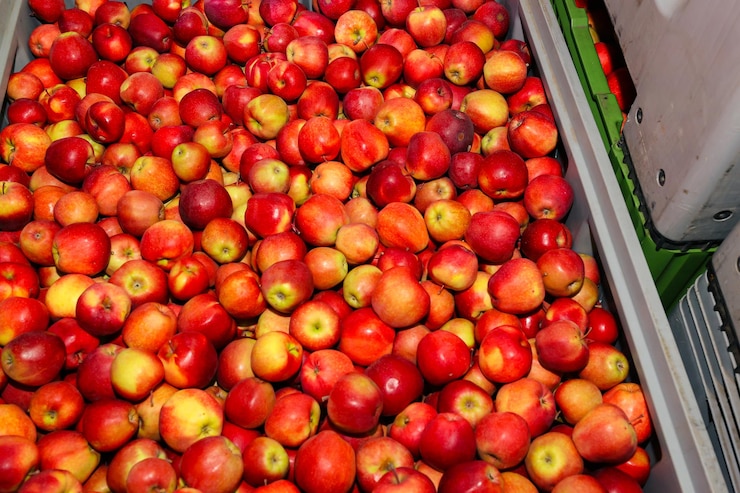
South Africa’s agricultural sector marked a significant breakthrough on 1 May 2026, as the first shipment of premium apples entered China under a newly implemented zero-tariff agreement. This milestone signals more than just a successful export. It reflects years of negotiation, strategic planning, and a focused effort to expand the country’s global trade footprint. For local producers, this moment confirms that South African fruit can compete at the highest level in demanding international markets. The shipment, weighing 24 tonnes, sets a strong precedent for future exports and opens the door to sustained growth in one of the world’s largest consumer markets. With China’s vast population and rising demand for high-quality produce, this development places South Africa in a strong position to benefit from long-term trade expansion.
The removal of tariffs from 10 percent to zero has an immediate and measurable impact on competitiveness. Lower costs mean South African apples can now enter the Chinese market at more attractive price points compared to competitors. This shift gives exporters a clear advantage, especially in a market where pricing plays a key role in consumer decisions. Producers can now focus on scaling production, improving quality, and strengthening supply chains without the added pressure of high import duties. This change also allows exporters to reinvest savings into better farming techniques, packaging, and logistics, which further improves product appeal. Over time, this can lead to stronger brand recognition for South African apples in international markets.
The significance of this shipment goes beyond pricing and market access. It strengthens trade relations between South Africa and China, creating a more stable and predictable environment for future agricultural exports. Strong trade partnerships reduce uncertainty and encourage long-term investment in the sector. Farmers and exporters gain confidence to expand operations, knowing that there is consistent demand and fewer barriers to entry. This type of agreement also opens the door for other agricultural products to follow a similar path, potentially expanding South Africa’s export portfolio. As trust builds between the two countries, opportunities for collaboration and knowledge exchange also increase.
For local producers, this milestone presents both opportunity and responsibility. Meeting the demands of a large international market requires strict adherence to quality standards, efficient logistics, and reliable supply. Farmers must ensure that their produce meets the expectations of Chinese consumers, who often prioritize freshness, taste, and appearance. Investment in technology, cold storage, and transport systems becomes essential to maintain quality throughout the export process. At the same time, producers must manage increased demand without compromising sustainability or local supply. Balancing growth with responsible farming practices will be critical for long-term success.
This development also has a broader impact on the South African economy. Increased exports contribute to foreign exchange earnings and support job creation across the agricultural value chain. From farm workers to logistics providers, many sectors benefit from expanded trade opportunities. Rural communities, in particular, stand to gain as demand for agricultural labor grows. The success of apple exports can inspire similar progress in other fruit sectors, strengthening the overall resilience of the industry. As export volumes increase, the country can build a more diversified and stable economic base.
The first zero-tariff apple shipment to China marks a turning point for South Africa’s agricultural exports. It demonstrates what is possible when trade agreements align with industry readiness and global demand. Producers now have a clear path to expand their reach and compete in one of the most lucrative markets in the world. Continued investment, strong quality control, and strategic planning will determine how far this opportunity can go. The momentum created by this milestone sets the stage for sustained growth and deeper global integration. South Africa’s agriculture sector is entering a new phase, one defined by expansion, competitiveness, and increased global influence.
Join 'Farmers Mag' WhatsApp Channel
Get the latest Farming news and tips delivered straight to your WhatsApp
CLICK HERE TO JOIN




