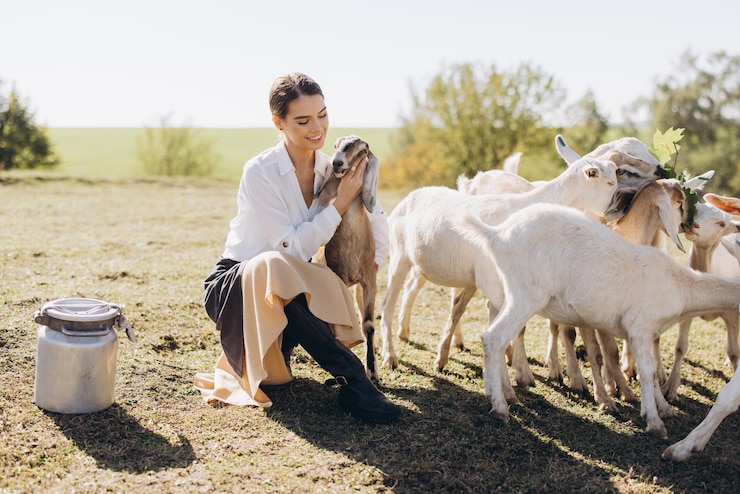
Goat milk farming in South Africa is gaining attention as farmers look for alternative and profitable dairy options. Goat milk has a growing market due to its nutritional value and suitability for people with lactose sensitivity. It is easier to digest than cow’s milk and is often used in products such as cheese, yogurt, and soap. Many small-scale farmers are turning to goat milk production because it requires less land and lower startup costs compared to cattle farming. The demand for niche dairy products continues to increase in urban and rural markets. With proper planning and management, goat milk farming can become a sustainable and rewarding agricultural business.
Starting a goat milk farm begins with selecting the right breed for dairy production. In South Africa, popular dairy goat breeds include Saanen, Toggenburg, and British Alpine. These breeds are known for high milk yield and adaptability to local conditions. A healthy dairy goat can produce between 2 to 4 litres of milk per day under good management. Farmers should source goats from reputable breeders to ensure strong genetics and disease-free stock. Choosing the right breed directly affects productivity and long-term profitability.
Housing is an important factor in maintaining the health and productivity of dairy goats. Goats require clean, dry, and well-ventilated shelters to prevent disease and stress. The housing structure should protect animals from extreme weather conditions such as heavy rain and excessive heat. Proper spacing is necessary to avoid overcrowding, which can lead to health issues. Elevated flooring or good drainage systems help keep the environment hygienic. A well-designed housing system supports consistent milk production and reduces management challenges.
Feeding plays a critical role in goat milk production and overall animal health. Dairy goats require a balanced diet that includes forage, concentrates, and mineral supplements. Good quality pasture, hay, and browse plants form the foundation of their diet. Farmers can supplement with grains and commercial feed to boost milk yield. Clean water must always be available, as hydration directly affects milk production. Proper feeding practices ensure that goats remain healthy and productive throughout their lactation period.
Milking management is essential for maintaining milk quality and consistency. Goats should be milked at the same time each day, usually once or twice daily. Clean milking practices are important to prevent contamination and ensure product safety. Equipment and hands must be sanitised before and after milking. Farmers should also monitor goats for signs of mastitis or other health issues that affect milk production. Consistent milking routines help maintain stable yields and improve product quality.
Health management is another key aspect of successful goat milk farming. Regular vaccinations and deworming programmes help prevent common diseases. Farmers should work closely with veterinarians to maintain herd health. Early detection of illness allows for quick treatment and reduces losses. Good hygiene in housing and feeding areas also helps prevent disease outbreaks. Healthy goats produce better quality milk and have longer productive lifespans.
Breeding management ensures continuous milk production and herd growth. Goats must reproduce regularly to maintain lactation cycles. Farmers should plan breeding seasons to ensure a steady supply of milk throughout the year. Proper record keeping helps track breeding, health, and production data. Selecting strong breeding stock improves herd quality over time. Effective breeding management supports long-term sustainability of the farm.
Marketing goat milk and related products is a critical part of the business. Farmers can sell raw milk, cheese, yogurt, and other value-added products to increase income. Local markets, health stores, and restaurants often demand goat milk products. Packaging and branding play an important role in attracting customers. Building relationships with buyers helps ensure consistent sales. Farmers who diversify their product range can increase profitability and reduce risk.
Financial planning is essential before starting a goat milk farming operation. Initial costs include purchasing goats, building housing, and acquiring equipment. Ongoing expenses include feed, veterinary care, and labour. Farmers should start with a manageable herd size and expand gradually as the business grows. Keeping accurate financial records helps track profitability and manage expenses. Careful planning ensures that the farm remains financially sustainable.
Goat milk farming in South Africa offers a practical opportunity for farmers seeking a low-cost entry into the dairy sector. With the right breed selection, proper feeding, and strong health management, farmers can achieve consistent milk production. The growing demand for goat milk products creates opportunities for both small-scale and commercial farmers. Success depends on good management, market access, and continuous learning. By focusing on quality and efficiency, goat milk farming can become a stable and profitable agricultural venture that supports long-term growth and food security.
Join 'Farmers Mag' WhatsApp Channel
Get the latest Farming news and tips delivered straight to your WhatsApp
CLICK HERE TO JOIN