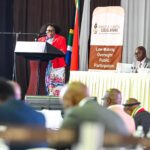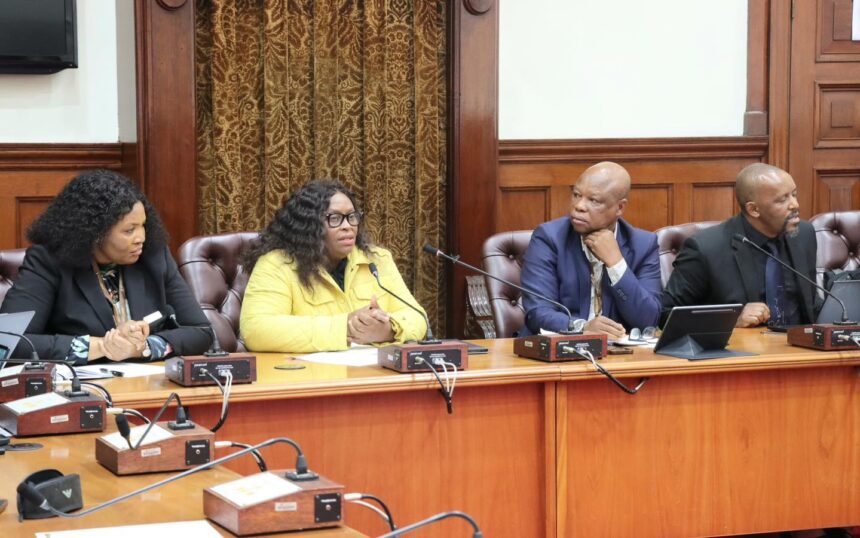
The KwaZulu-Natal Department of Agriculture and Rural Development has taken another important step in strengthening agricultural governance and rural development through a high-level engagement with the Agriculture and Rural Development Portfolio Committee at the KwaZulu-Natal Legislature. The meeting was led by MEC Thembeni kaMadlopha-Mthethwa alongside Acting Head of Department Dr F.N.P. Qwabe and members of the Executive Committee. It focused on aligning departmental priorities with legislative oversight to improve service delivery in the agricultural sector. The engagement created a structured platform for discussing programme performance, strategic objectives, and implementation challenges. It also reinforced the province’s commitment to improving rural livelihoods through a coordinated agricultural development agenda. Such interactions are essential for ensuring accountability and strengthening institutional performance.
A central focus of the meeting was the review of departmental programmes and their overall performance across the province. The department presented updates on key initiatives aimed at supporting farmers, improving food production, and expanding rural economic participation. These programmes are designed to address both commercial and smallholder farming needs, with an emphasis on inclusive growth. The discussions also highlighted the importance of improving efficiency in service delivery and ensuring that agricultural support reaches intended beneficiaries. MEC Thembeni kaMadlopha-Mthethwa emphasised the need for practical outcomes that directly benefit rural communities. This includes strengthening extension services, improving access to resources, and supporting emerging farmers.
The engagement also provided an opportunity to assess progress in rural development initiatives that aim to improve livelihoods across KwaZulu-Natal. Agriculture remains a key driver of economic activity in rural areas, providing both income and employment opportunities. The department continues to focus on infrastructure support, training programmes, and market access strategies for farmers. These efforts are intended to reduce poverty and stimulate sustainable economic activity in rural communities. The Portfolio Committee played a key role in evaluating whether current programmes are achieving their intended impact. This level of oversight ensures that government resources are used effectively and that development goals remain on track.
A significant part of the discussion focused on the current status of Foot and Mouth Disease in the province. The department provided comprehensive updates on containment measures and ongoing efforts to manage the outbreak. Foot and Mouth Disease remains a serious threat to livestock farming, with the potential to disrupt production and trade if not properly controlled. Officials outlined the progress made in managing affected areas through vaccination campaigns, movement controls, and monitoring systems. These measures are designed to limit the spread of the disease and protect livestock populations. The update highlighted the importance of coordinated action between government, veterinarians, and farmers.
Biosecurity measures were also a key point of discussion during the meeting. Strengthening biosecurity is essential to preventing future outbreaks and ensuring the long-term stability of the livestock sector. The department continues to work closely with veterinary services to enforce compliance and improve disease surveillance. Farmers are being encouraged to report suspected cases early and to follow recommended health protocols. These actions help reduce the risk of widespread infection and protect both small and large-scale farming operations. The discussion reinforced the idea that disease control requires collective responsibility across the agricultural value chain.
The meeting also highlighted the importance of collaboration between political leadership and administrative structures within the department. MEC Thembeni kaMadlopha-Mthethwa and Dr F.N.P. Qwabe emphasized the need for alignment between policy direction and operational execution. This ensures that agricultural programmes are not only well-designed but also effectively implemented on the ground. The Executive Committee played a key role in providing technical and strategic input during the discussions. Such collaboration improves decision-making and strengthens the department’s ability to respond to emerging challenges. It also supports more efficient use of public resources.
Rural livelihoods remain at the centre of the department’s agricultural development strategy. Many communities in KwaZulu-Natal depend on agriculture for survival, making it essential to support both production and market access. The department continues to invest in programmes that improve farming skills, expand infrastructure, and connect farmers to economic opportunities. These initiatives are designed to create sustainable income streams and reduce dependency on external support. By strengthening rural economies, the department aims to build long-term resilience in agricultural communities. The Portfolio Committee’s involvement ensures that these goals remain a priority in government planning.
The engagement between the department and the Portfolio Committee reflects a strong commitment to transparency, accountability, and improved service delivery. Regular oversight meetings allow for the monitoring of progress and the identification of areas that require intervention. This helps ensure that agricultural policies are effectively translated into practical outcomes for farmers and rural communities. It also strengthens trust between government institutions and the public they serve. Through continued collaboration, the province aims to build a more responsive and efficient agricultural sector.
The KwaZulu-Natal Department of Agriculture and Rural Development’s engagement with the Portfolio Committee highlights the importance of strategic governance in addressing both development and crisis management needs. From improving rural livelihoods to managing Foot and Mouth Disease, the department continues to focus on key priorities that shape the province’s agricultural future. Strong leadership, coordinated planning, and effective oversight remain central to achieving these goals. The meeting demonstrates a clear commitment to building a resilient agricultural sector that supports food security, economic growth, and rural development across KwaZulu-Natal.
Join 'Farmers Mag' WhatsApp Channel
Get the latest Farming news and tips delivered straight to your WhatsApp
CLICK HERE TO JOIN