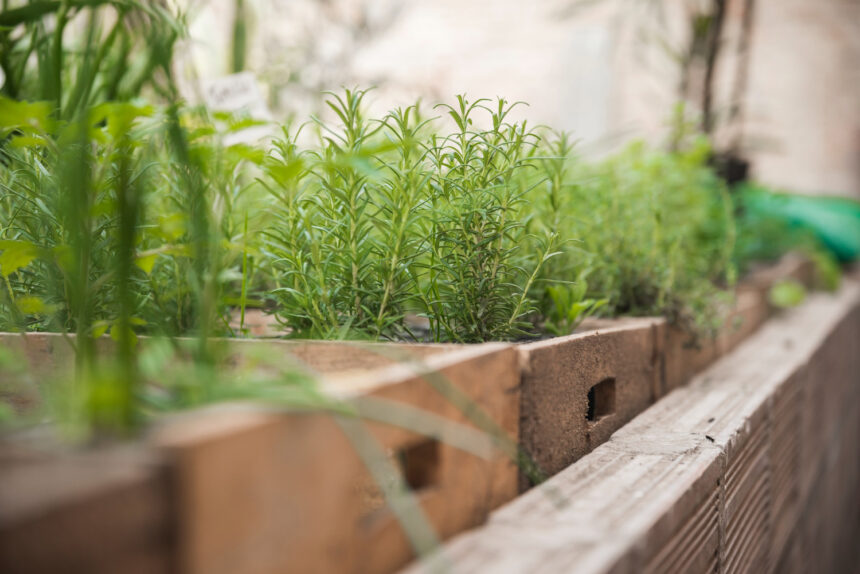
Herb farming in South Africa offers a practical way to produce food, medicine, and income on small or large plots. You can start in a backyard, greenhouse, or open field with limited capital and still scale over time. Demand continues to grow across restaurants, supermarkets, and health markets, creating steady opportunities for growers. Herbs are easier to manage than many traditional crops because they need less space and fewer inputs. Understanding climate, soil, and market demand allows you to build a reliable and profitable herb farming system.
South Africa has diverse climates, which allows you to grow a wide range of herbs throughout the year. Regions with Mediterranean conditions, such as the Western Cape, support herbs that prefer dry summers and mild winters, while inland areas with summer rainfall also support strong growth with proper irrigation. Most herbs need between four and seven hours of direct sunlight daily to reach full flavor and yield. Temperature plays a role, as warm conditions speed up growth while extreme heat or cold can reduce productivity. Matching your herb selection to your local climate helps avoid losses and improves consistency.
Choosing the right herbs determines your success from the start. Popular options in South Africa include basil, rosemary, thyme, mint, oregano, sage, and lavender because they are widely used and easy to grow. These herbs have stable demand in food, wellness, and cosmetic markets. You can also consider niche or indigenous herbs to target specialty buyers and increase margins. Focusing on crops that suit your environment and have proven demand helps manage production and maintain quality.
Soil preparation is critical because herbs need well-drained conditions to thrive. Poor drainage leads to root rot and weak plants, reducing yield and quality. You should use sandy or loamy soil mixed with organic compost to improve structure and nutrients. Most herbs do not need heavy feeding, but adding organic fertilizer at planting improves early growth. Keeping soil loose and free of weeds reduces competition and disease pressure. Raised beds or containers work well if your soil is heavy or compacted.
Water management directly affects plant health and oil concentration in herbs. You should water deeply but less frequently to encourage strong root systems. Overwatering weakens plants and increases the risk of disease, while underwatering reduces growth and yield. Herbs generally prefer moderate moisture with good drainage rather than constant wet soil. In dry regions, drip irrigation helps control water use and improves efficiency. Mulching also helps retain moisture and reduce weed growth.
Propagation and planting methods depend on the herb type. You can grow herbs from seeds, cuttings, or seedlings, with many farmers choosing cuttings for faster results. Spacing matters because overcrowding reduces airflow and increases pests and diseases. Basic spacing ranges around 15 to 25 cm between plants, depending on the variety. Regular pruning encourages bushy growth and increases yield over time. Frequent harvesting keeps plants productive and prevents early flowering.
Pest and disease control should focus on prevention rather than chemicals. Common pests include aphids, snails, and mites, which damage leaves and reduce quality. Good airflow, proper spacing, and clean growing areas reduce most problems before they start. You can use natural methods such as neem oil or manual removal to control outbreaks. Healthy plants grown in the right conditions are less likely to suffer from serious infestations. Consistent monitoring allows early action and avoids large losses.
Harvesting and post-harvest handling determine the final quality of your product. You should harvest herbs early in the morning after dew dries to preserve essential oils. Cutting before flowering ensures the strongest flavor and highest market value. Fresh herbs need quick cooling and proper packaging to maintain quality during transport. Drying is another option, but it can reduce flavor intensity if not done correctly. Dried herbs should be stored in a cool, dry place to prevent spoilage.
Herb farming can be highly profitable if you manage costs and target the right markets. Small-scale farmers in South Africa can earn significant returns per hectare by focusing on high-demand herbs and consistent supply. Selling directly to restaurants, local markets, or retailers increases margins. Some farmers expand into value-added products such as dried herbs, teas, or essential oils. Hydroponic systems allow year-round production and higher yields in controlled environments.
Herb farming in South Africa provides a flexible and scalable agricultural opportunity. You can start small, learn quickly, and expand based on demand and experience. Success depends on choosing the right herbs, managing soil and water correctly, and maintaining consistent quality. With proper planning and market focus, herb farming can provide both food security and steady income. Applying these principles and adapting to your local conditions allows you to build a sustainable and profitable herb farming operation.
Join 'Farmers Mag' WhatsApp Channel
Get the latest Farming news and tips delivered straight to your WhatsApp
CLICK HERE TO JOIN