

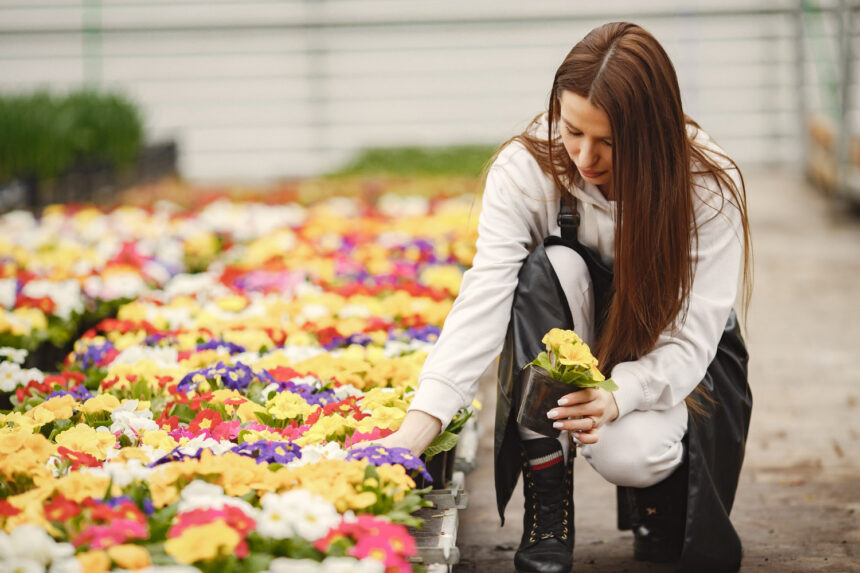
Cut flower farming in South Africa has developed into a strong agricultural opportunity driven by local demand and export potential. South Africa offers a diverse climate that supports a wide range of flower varieties, from roses and proteas to chrysanthemums and lilies. The industry serves both domestic markets such as supermarkets, events and florists, as well as international buyers who value high-quality blooms. Farmers are attracted to cut flower production because it can generate high returns per hectare compared to many traditional crops. However, success in this sector requires careful planning, strict quality control and efficient logistics. The perishable nature of flowers means timing and handling are critical from farm to market. Understanding each stage of production is essential for building a profitable flower farming operation.
The first step in cut flower farming is selecting the right location and climate conditions. Most flowers require well-drained soil, reliable water access and moderate temperatures to grow successfully. Regions in the Western Cape, KwaZulu-Natal and parts of Gauteng have become popular for flower production due to their favorable conditions. Farmers must also consider wind exposure and frost risk, as these factors can damage delicate blooms. Soil preparation is another key factor, with most growers improving soil fertility using compost and organic matter. Proper land preparation ensures strong root development and consistent flower quality. Without a suitable growing environment, production costs increase and yields become unpredictable.
Choosing the right flower varieties is equally important for market success. High-demand flowers include roses, carnations, lilies, gerberas and indigenous species such as proteas. Each variety has different growth cycles, water needs and harvesting requirements. Some flowers are better suited for local markets due to shorter shelf life, while others are ideal for export because they can withstand transport. Farmers often diversify crops to reduce risk and maintain steady income throughout the year. Market research is essential to understand which flowers are in demand and at what times of the year. This helps farmers align production with peak pricing periods such as holidays and wedding seasons.
Production systems in cut flower farming vary depending on scale and investment level. Small-scale farmers often use open field cultivation, while larger commercial operations rely on greenhouse systems. Greenhouses allow better control over temperature, humidity and pest management, leading to higher quality blooms. Irrigation systems such as drip irrigation are commonly used to ensure efficient water use and reduce waste. Fertilisation schedules must be carefully managed to support healthy growth and vibrant flower production. Pest and disease control is also critical, as flowers are highly sensitive to infestation. Integrated pest management strategies are widely used to reduce chemical use while maintaining crop health.
Harvesting and post-harvest handling are among the most important stages in cut flower farming. Flowers must be harvested at the correct stage of development to ensure maximum vase life. Improper timing can lead to reduced quality and lower market prices. After harvesting, flowers are quickly cooled to preserve freshness and prevent wilting. Grading and sorting are done based on size, colour and stem quality. Proper packaging is essential to protect flowers during transport, especially for export markets. Cold chain logistics play a major role in maintaining quality from farm to final buyer. Any break in temperature control can significantly reduce product value.
Marketing and distribution are key to ensuring profitability in cut flower farming. Farmers often sell through auctions, wholesalers, florists or direct contracts with retailers. Export markets require compliance with strict quality and phytosanitary standards. Building relationships with buyers helps secure stable pricing and repeat orders. Digital platforms are also becoming more important, allowing farmers to showcase products and connect with buyers more efficiently. Timing is critical in marketing because flowers have a limited shelf life. Efficient coordination between harvesting and sales ensures minimal waste and maximum returns.
Cut flower farming in South Africa offers strong economic potential when managed correctly. The combination of suitable climates, growing market demand and export opportunities makes it an attractive agricultural venture. Success depends on careful planning, from site selection and variety choice to harvesting and marketing strategies. Farmers must also invest in infrastructure and skills development to remain competitive. With proper management, cut flower production can generate consistent income and support rural employment. As demand for fresh flowers continues to grow locally and internationally, South African growers are well positioned to expand their presence in this high-value agricultural sector.
Join 'Farmers Mag' WhatsApp Channel
Get the latest Farming news and tips delivered straight to your WhatsApp
CLICK HERE TO JOIN




