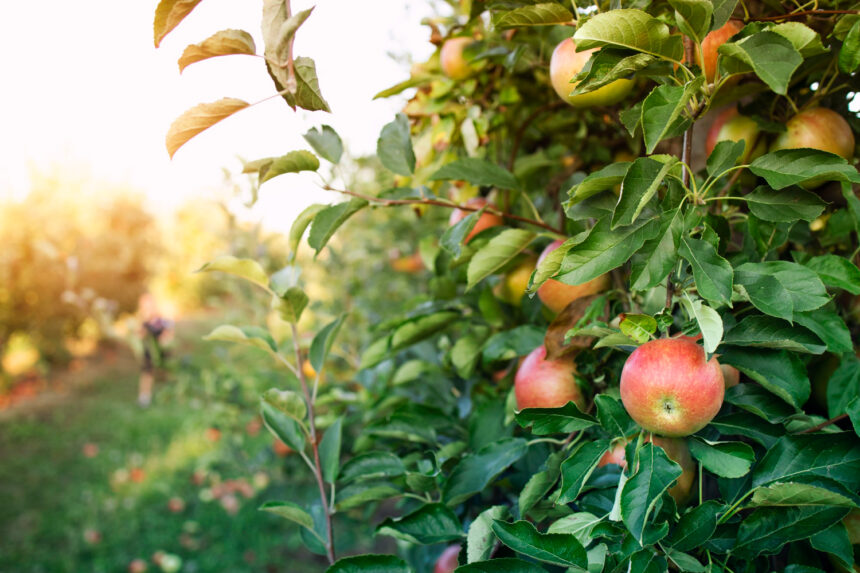
Apple farming in South Africa offers strong commercial potential for growers in suitable climates, especially in the Western Cape and parts of the Eastern Cape and Limpopo with cooler conditions. Apples are one of the country’s key export fruit crops and contribute significantly to agricultural income and rural employment. Success in apple farming depends on correct site selection, proper cultivar choice, and disciplined orchard management. You need consistent cold winters and moderate summers to achieve good flowering and fruit development. Without the right climate and planning, yields and fruit quality will remain low.
Choosing the correct location is the first critical step in apple production. Apple trees require winter chill hours to break dormancy and produce uniform blossoms in spring. Areas like Elgin, Grabouw, and Ceres are well known for apple farming because they meet these conditions. You also need well drained soil with good depth to support strong root development. Avoid waterlogged soils because they increase the risk of root diseases and reduce tree performance. Soil pH should generally stay between 6.0 and 7.0 for optimal nutrient uptake.
Selecting the right apple variety plays a major role in market success. Popular commercial varieties in South Africa include Gala, Golden Delicious, Granny Smith, and Fuji. Each variety has different harvest times, taste profiles, and market demand levels. You should match your variety choice with your target market, whether local sales or export channels. Pollination is also important, so you often need to plant compatible varieties together to ensure good fruit set. Without proper pollination, yields drop significantly even in well managed orchards.
Planting and orchard management require careful attention during the early years. Trees are usually planted during the dormant winter season to reduce transplant shock. Proper spacing is important to allow sunlight penetration and air circulation, which reduces disease pressure. Young trees need regular training and pruning to develop strong structure and improve long term productivity. Irrigation systems such as drip irrigation help maintain consistent soil moisture without wasting water. Fertilisation programs must be based on soil tests to avoid nutrient imbalances that can affect fruit quality.
Pest and disease control is a continuous requirement in apple farming. Common pests include codling moth, aphids, and fruit flies, all of which can reduce marketable yield if not managed properly. Diseases such as apple scab and powdery mildew are also common in humid conditions. Integrated pest management strategies work best, combining monitoring, biological control, and responsible chemical use. Good orchard hygiene and regular scouting help detect problems early before they spread. Farmers who ignore pest control often face severe losses in both quantity and quality.
Harvesting and marketing are the final stages that determine profitability in apple farming. Apples must be harvested at the correct maturity stage to ensure good storage life and consumer satisfaction. Picking too early reduces sweetness while picking too late affects firmness and shelf life. After harvest, proper sorting and cold storage are essential to maintain quality, especially for export markets. South Africa has strong export channels, but meeting strict quality standards is necessary to access them. Local markets also offer opportunities, especially for fresh produce sales and value addition.
Apple farming in South Africa requires long term planning, technical knowledge, and consistent management practices. When you choose the right location, varieties, and farming methods, you increase your chances of producing high quality fruit. The crop rewards patience because orchards take several years to reach full production capacity. With proper care, apple farming can become a stable and profitable agricultural enterprise. Success depends on discipline, attention to detail, and a clear understanding of both climate and market demands.
Join 'Farmers Mag' WhatsApp Channel
Get the latest Farming news and tips delivered straight to your WhatsApp
CLICK HERE TO JOIN