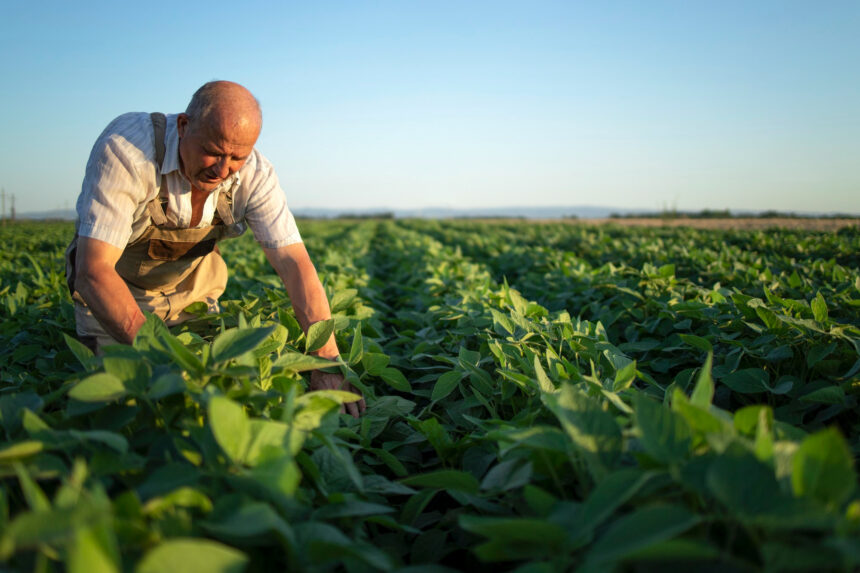
Soybean farming in South Africa offers significant opportunities for income generation and contribution to the country’s agricultural sector. The demand for soybeans is growing steadily due to their use in animal feed, oil production, and various food products. Successful soybean farming requires careful planning, including selecting suitable land, choosing the right varieties, and understanding climatic and soil requirements. Farmers must also consider market access, input costs, and sustainable farming practices to ensure profitability. By adopting proper techniques, both smallholder and commercial farmers can achieve high yields and long-term success in soybean cultivation.
Selecting the right site is crucial for productive soybean farming. Soybeans thrive in well-drained, fertile soils with a pH between 5.5 and 7.5, and they prefer areas with moderate rainfall and warm temperatures. Avoid low-lying areas prone to waterlogging or frost, as these conditions can harm plant growth and reduce yields. Preparing the soil through ploughing, leveling, and incorporating organic matter improves soil structure and nutrient availability. Farmers should also test the soil to determine nutrient levels and adjust fertilization schedules accordingly, ensuring plants receive essential nutrients such as nitrogen, phosphorus, and potassium. Proper soil preparation lays the foundation for strong plant development and optimal crop performance.
Variety selection and planting methods are key factors for achieving good soybean yields. Commonly cultivated varieties in South Africa include LS 6770, PAN 1532, and local high-yielding types that are adapted to regional conditions. Seed selection should focus on disease resistance, maturity period, and yield potential. Soybeans are typically planted at a spacing of 40 to 50 cm between rows, with seeds sown at a depth of 3 to 5 cm. Adequate plant density ensures proper sunlight exposure, air circulation, and access to nutrients. Farmers should also implement crop rotation to maintain soil fertility and reduce the risk of pests and diseases.
Irrigation, pest control, and nutrient management are essential for maintaining healthy soybean crops. While soybeans can tolerate moderate drought, supplemental irrigation during dry spells improves yields significantly. Common pests such as aphids, stem borers, and pod-sucking bugs must be monitored and managed through integrated pest management practices, combining biological controls, cultural methods, and approved pesticides. Regular fertilization and foliar feeding help maintain plant health, promote flowering, and increase pod formation. Timely weeding and proper canopy management also enhance growth and reduce competition for resources.
Harvesting and marketing determine the profitability of soybean farming. Soybeans are typically harvested when pods turn brown, and leaves begin to yellow, indicating full maturity. Proper handling during harvesting, drying, and storage is critical to preserve seed quality and prevent spoilage. Farmers should sort and grade soybeans to meet market standards and explore opportunities in local markets, animal feed production, or export channels. Establishing contracts with buyers in advance ensures stable income and reduces market risk. By following best practices from land preparation to marketing, soybean farmers in South Africa can build sustainable, profitable operations that support both personal livelihoods and national agricultural growth.
Join 'Farmers Mag' WhatsApp Channel
Get the latest Farming news and tips delivered straight to your WhatsApp
CLICK HERE TO JOIN