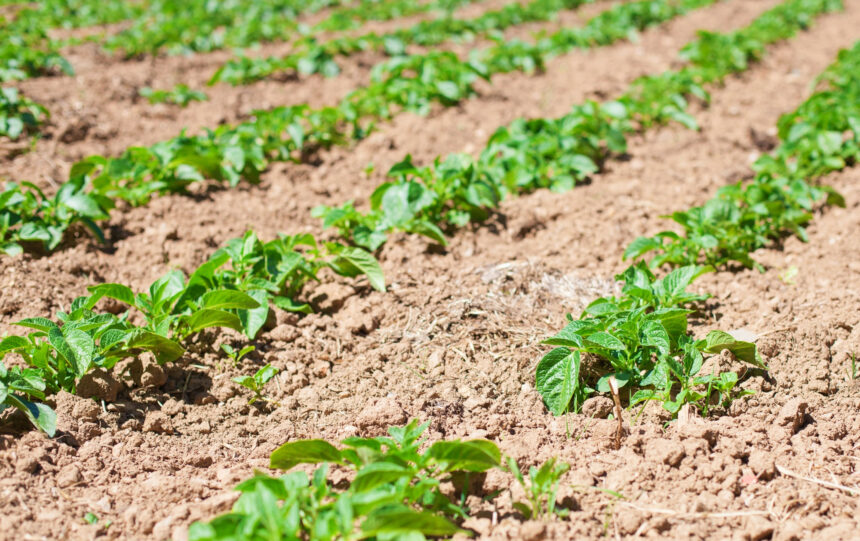
Farming on sandy soil in South Africa presents unique challenges, but it also offers opportunities for growing certain crops that thrive in well-drained, loose soils. Sandy soils drain quickly, warm up fast in the spring, and are easier to cultivate, but they often have low nutrient and water retention. Successful cultivation requires selecting crops suited to these conditions and implementing soil management practices that enhance fertility and moisture. Understanding the properties of sandy soil is essential for farmers looking to maximize yields while minimizing input costs. By choosing the right crops and adopting effective soil care techniques, farmers can turn sandy land into productive farmland.
Vegetables are among the best crops for sandy soils because many species tolerate quick drainage and adapt well to lower fertility. Root crops such as carrots, onions, and potatoes perform particularly well, as the loose soil allows roots to expand freely. Leafy greens like spinach, lettuce, and Swiss chard can also thrive, especially if combined with organic matter to improve water retention. Sandy soils warm up quickly, which can accelerate germination and early growth, giving farmers the advantage of shorter crop cycles. Regular mulching and the addition of compost or manure help maintain nutrient levels and prevent soil from drying out too rapidly.
Fruit and nut trees can also succeed on sandy soils if properly managed. Citrus trees, including oranges and lemons, grow well in well-drained sandy soils but require careful irrigation and fertilization. Macadamia and pecan trees have shown good adaptability to sandy conditions in parts of Mpumalanga and Limpopo, provided they receive adequate water during establishment. Covering the root zone with organic mulch reduces evaporation and keeps soil temperatures stable. Selecting drought-tolerant varieties further increases the likelihood of successful yields on sandy land.
Field crops and grains suited to sandy soils include maize, sunflower, and certain varieties of sorghum. These crops benefit from the rapid drainage and reduced risk of root diseases associated with heavy soils. For maize, sandy soils work best when combined with organic matter and frequent monitoring of nutrient levels to prevent deficiencies. Sunflowers thrive because they have deep root systems that access moisture and nutrients beyond the topsoil. Crop rotation with legumes such as cowpeas or beans improves soil nitrogen content and supports sustainable production over multiple seasons.
Sandy soil requires careful attention to water and nutrient management to maintain crop productivity. Drip irrigation or micro-sprinkler systems provide efficient water delivery while minimizing evaporation losses. Regular soil testing helps farmers determine nutrient deficiencies and adjust fertilization schedules accordingly. Organic matter, such as compost or green manure, improves soil structure and enhances moisture retention. By combining crop selection, irrigation, and fertility management, farmers can achieve high yields even on sandy soil, turning a challenging environment into a productive asset.
Choosing the best crops for sandy soil in South Africa depends on understanding the soil’s strengths and limitations. Vegetables, root crops, leafy greens, citrus and nut trees, and grains such as maize and sunflower all perform well when managed appropriately. Adding organic matter, using efficient irrigation, and monitoring nutrients are essential strategies to maximize productivity. With careful planning and proper management, sandy soils can support profitable and sustainable farming operations. Farmers who adapt to these conditions can make the most of their land, contributing to food security and local agricultural growth.
Join 'Farmers Mag' WhatsApp Channel
Get the latest Farming news and tips delivered straight to your WhatsApp
CLICK HERE TO JOIN