

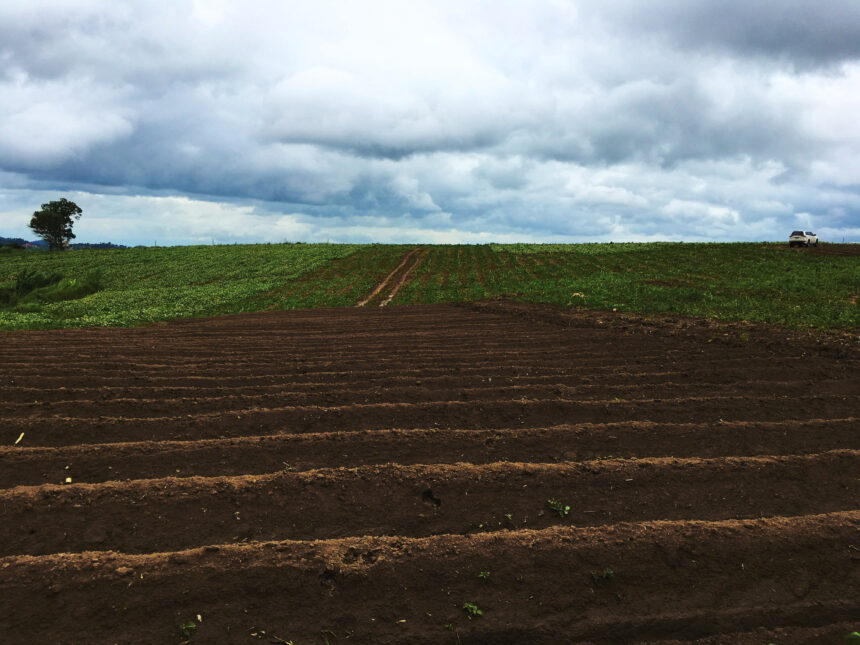
Land reform in South Africa remains one of the most significant drivers of agricultural development, offering opportunities for both emerging and established farmers to expand production, increase livelihoods, and strengthen food security. Over the past two decades, government programs have aimed to address historical land injustices while promoting productive use of land through restitution, redistribution, and tenure reform initiatives. These opportunities are not limited to acquiring land alone; they also include access to support services, infrastructure development, training, and financing to ensure that new landowners can farm sustainably and profitably. For farmers looking to grow their operations or enter commercial agriculture, understanding the available land reform programs and how to participate is essential. With proper planning and support, these initiatives can unlock significant economic and social benefits for rural communities across the country.
One of the primary pathways for farmers to benefit from land reform is through land redistribution programs, which allocate state-owned or commercially available land to emerging farmers. Successful applicants can gain access to plots suitable for crop cultivation, livestock farming, or mixed agricultural enterprises. These programs often come with technical support from the Department of Agriculture, including soil analysis, irrigation planning, and guidance on farm management practices. Access to these resources allows new farmers to implement best practices, improve yields, and establish profitable operations. By combining land access with professional support, beneficiaries can transition from subsistence or small-scale farming to sustainable commercial agriculture, strengthening both their income and local food systems.
Tenure reform also presents opportunities for farmers, particularly those operating on communal or underutilized land. Legal recognition of land rights ensures that farmers can invest in infrastructure, such as fencing, water systems, and storage facilities, without the risk of eviction or disputes. Secure tenure encourages long-term planning and investment in productivity-enhancing technologies, which can increase farm output and profitability. Additionally, tenure reform often includes mechanisms for conflict resolution and community engagement, which are crucial for managing shared resources and maintaining harmony among farmers in communal areas. These initiatives provide a foundation for stable agricultural operations and create an environment in which farmers can focus on growth and efficiency rather than disputes.
Land reform programs in South Africa are increasingly linked to access to financial support and training opportunities, which are critical for scaling farm operations. Emerging farmers can apply for grants, low-interest loans, and equipment subsidies that reduce the financial burden of establishing productive farms. Training programs offered by government agencies and agricultural colleges cover topics such as business planning, livestock management, crop production, and market access strategies. Farmers who take advantage of these programs are better equipped to manage risks, increase efficiency, and reach commercial markets. By combining financial support with technical skills, land reform initiatives help ensure that beneficiaries are not only landowners but also capable and competitive producers in the agricultural sector.
The potential impact of land reform on South Africa’s agricultural landscape is substantial, both in terms of economic growth and social equity. Farmers who successfully participate in these programs can contribute to local employment, increase rural food production, and promote sustainable land use practices. It is important for prospective beneficiaries to engage with local government offices, agricultural extension services, and farmer organizations to identify available opportunities and understand the application process. By approaching land reform strategically, with attention to training, finance, and resource management, farmers can maximize the benefits of new land access. Ultimately, land reform offers a pathway for both emerging and established farmers to expand their operations, strengthen communities, and play a meaningful role in the country’s agricultural future.
Join 'Farmers Mag' WhatsApp Channel
Get the latest Farming news and tips delivered straight to your WhatsApp
CLICK HERE TO JOIN




