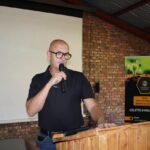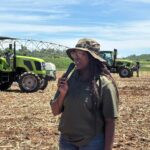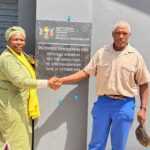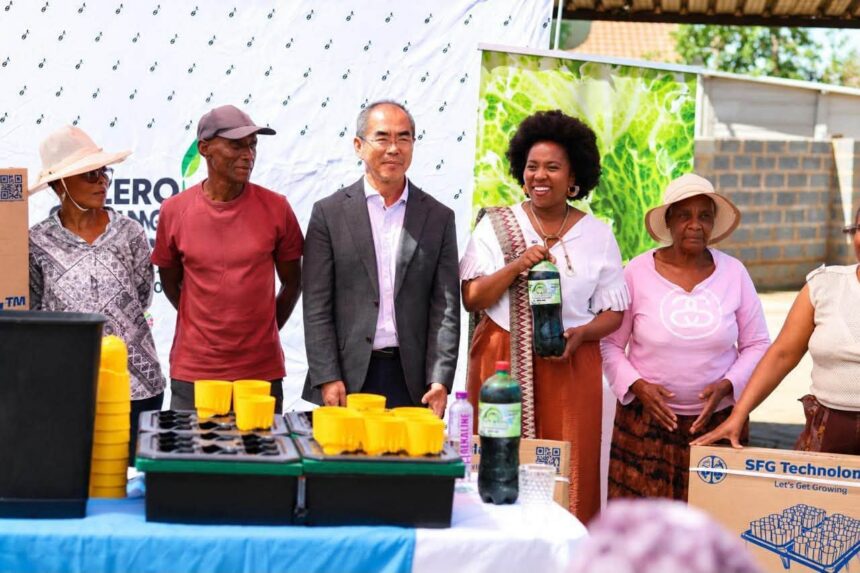
The Gauteng Department of Agriculture and Rural Development (GDARD), in partnership with a Chinese delegation, hosted the Zero Hunger Smart Boxes Handover Ceremony in Palm Ridge to strengthen food security, increase food production and support communities. The initiative highlights the importance of practical agricultural support in helping communities improve access to food and develop more sustainable ways of producing it. Through the handover, the department reaffirmed its commitment to addressing hunger and supporting initiatives that encourage local food production. The partnership also reflects the value of cooperation between government and international partners in pursuing shared development goals. By supporting community-based food production, programmes such as Zero Hunger Smart Boxes can contribute to efforts to build more resilient food systems in Gauteng.
Food security remains an important development priority because households need reliable access to sufficient, safe and nutritious food. Rising living costs and limited access to productive resources can make it difficult for some communities to maintain consistent food supplies. Supporting local food production offers one way to help households improve their access to fresh produce while developing practical agricultural skills. Community-based initiatives can also encourage residents to make productive use of available space and learn more about growing food. The Zero Hunger Smart Boxes handover in Palm Ridge forms part of a broader effort to strengthen food security through agricultural support and community participation.
The Gauteng Department of Agriculture and Rural Development plays an important role in promoting agricultural development and supporting food production across the province. Its work includes initiatives intended to help communities engage in agriculture, improve access to food and develop opportunities linked to farming. Programmes focused on local food production can provide practical ways for residents to participate in agriculture, including those who may have limited land or resources. The department’s collaboration with the Chinese delegation brings an international partnership into this effort. Such cooperation can create opportunities to share knowledge, support development initiatives and strengthen collective action towards food security.
The Zero Hunger Smart Boxes initiative places attention on practical support for food production at community level. Smart boxes can provide a structured growing space for cultivating vegetables and other suitable crops, depending on their design and intended use. For households and community groups with limited access to conventional garden plots, growing systems of this kind may offer an alternative way to produce food. Their effectiveness depends on factors such as access to water, suitable growing materials, crop selection and regular maintenance. With appropriate guidance and continued care, community growing initiatives can help participants develop skills while contributing to household food supplies.
Increasing local food production can provide benefits beyond the immediate availability of fresh produce. Growing food gives participants opportunities to learn about planting, watering, soil management, pest control and harvesting. These practical skills can support more informed decisions about food production and encourage continued involvement in gardening and agriculture. Community growing projects can also create opportunities for residents to work together, share knowledge and support one another. When local food production becomes part of wider community development efforts, it can help build knowledge and strengthen participation in addressing food insecurity.
The handover ceremony in Palm Ridge also highlights the importance of partnerships in advancing agricultural and social development. Government departments can provide coordination and connect initiatives to broader development priorities, while international partners can contribute to cooperation and shared learning. Effective partnerships depend on clear objectives, appropriate support and practical arrangements that help intended beneficiaries use the resources provided. The participation of the Chinese delegation alongside GDARD demonstrates a collaborative approach to supporting the department’s food security objectives. Continued cooperation can help strengthen community initiatives and identify opportunities to improve the delivery of agricultural support.
For food production projects to deliver lasting benefits, the handover of equipment or growing resources must be accompanied by appropriate use and ongoing care. Participants need to understand how to prepare growing areas, select suitable crops, manage water use and maintain plants throughout the growing season. Access to practical agricultural advice can help address common challenges and improve the chances of successful harvests. Regular monitoring can also help identify whether the resources are being used effectively and whether beneficiaries require further support. These considerations are important for ensuring that food production initiatives contribute to sustained community benefits rather than short-term activity alone.
Community-based food production can also complement other efforts to improve nutrition and household resilience. Fresh vegetables grown at home or in shared spaces may help households diversify the food available to them, depending on what they grow and harvest. Producing some food locally can also provide participants with a practical understanding of the resources and effort involved in agriculture. However, growing projects cannot address every cause of hunger on their own, and their results depend on the scale of production and the needs of participating households. They are most useful when supported by broader measures that improve access to food, agricultural knowledge and other essential resources.
The Zero Hunger Smart Boxes Handover Ceremony in Palm Ridge represents a practical expression of the Gauteng Department of Agriculture and Rural Development’s commitment to strengthening food security and supporting local food production. The partnership with the Chinese delegation demonstrates the role of cooperation in advancing shared development objectives. By providing support for community-based growing initiatives, the programme creates an opportunity to promote agricultural participation and develop practical food production skills. Its longer-term value will depend on how effectively the smart boxes are used, maintained and supported after the handover. Continued investment in agricultural knowledge, community participation and sustainable food production will remain important in helping Gauteng communities improve food security and build greater resilience.
Join 'Farmers Mag' WhatsApp Channel
Get the latest Farming news and tips delivered straight to your WhatsApp
CLICK HERE TO JOIN