The South African government is taking urgent steps to resolve a temporary pause on new applications under the Land Bank’s Blended Finance Scheme and restore full funding operations. The Department of Agriculture, Department of Land Reform and Rural Development, National Treasury and the Land Bank have been directed by the responsible Ministers to work together on a solution. The issue has become increasingly important because strong demand for the facility has contributed to a funding shortfall. Farmers affected by the pause have raised concerns about delays and the potential impact on their production plans. The government says it is treating the matter as an urgent priority and is working to ensure that farmers can access the funding they need.
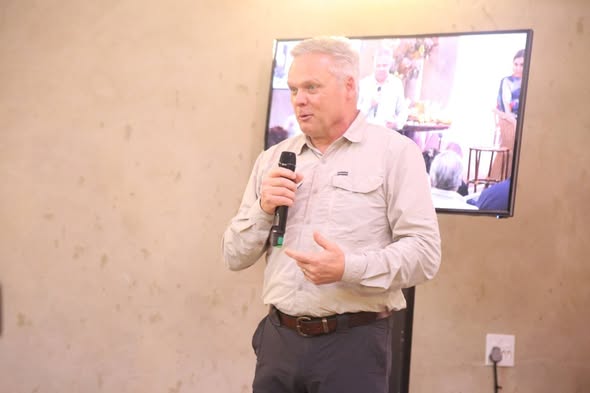
The urgency of the situation was highlighted during a meeting between President Cyril Ramaphosa and Minister Willie Aucamp on 29 September 2026. During the meeting, Minister Aucamp briefed the President on engagements that had already taken place between the Department of Agriculture and the Department of Land Reform and Rural Development. These discussions focused on the funding shortfall that developed as demand for the Blended Finance Scheme increased. The high demand demonstrates the importance of agricultural finance for farmers seeking to expand or maintain production. It also underlines the need for government and the Land Bank to manage available funding carefully while ensuring that viable farmers are not left uncertain about their applications.
The Department of Agriculture has already committed an additional R150 million to help address the funding situation. This funding comes on top of the R325 million grant allocation that had already been transferred to the Land Bank for the 2026/27 financial year. Together, these allocations represent a significant government commitment to supporting agricultural finance through the Blended Finance Scheme. The additional funding is intended to help close the gap created by demand on the facility. Discussions with the Land Bank remain ongoing as the government works to ensure that the scheme is managed prudently and that similar funding gaps do not occur again.
The Blended Finance Scheme is important because agricultural producers often require access to finance to purchase inputs, invest in infrastructure and prepare for production cycles. Delays in securing finance can create practical problems for farmers, particularly when funding is needed before planting begins. A farmer who cannot access the necessary capital at the right time may face difficulty purchasing seed, fertiliser, equipment or other essential inputs. The timing of agricultural finance can therefore directly affect production decisions and farm operations. Ensuring that funding mechanisms operate effectively is an important part of creating conditions in which farmers can plan with greater certainty.
Minister Aucamp has received several letters expressing concern about the funding situation and its potential negative impact on farmers. These concerns reflect the uncertainty experienced by affected applicants while the temporary pause remains in place. Farmers need clarity about whether their applications will proceed and when funding may become available. Uncertainty can make it difficult for producers to make firm decisions about planting and other seasonal activities. Minister Aucamp has sought to reassure affected parties that the Department of Agriculture and other relevant government departments are working to find a quick resolution.
Importantly, Minister Aucamp has clarified that the Blended Finance Scheme has not been discontinued. The current situation involves a temporary pause on new applications under the scheme while the relevant institutions work to address the funding shortfall. This distinction is important for farmers because it means the government continues to regard the facility as an active agricultural financing mechanism. The immediate objective is to resolve the funding constraints and restore full operations as quickly as possible. Farmers who have concerns about their applications should therefore distinguish between the temporary pause and a permanent termination of the scheme.
The government is also focusing on the need to prevent funding gaps from recurring. Addressing the immediate shortfall can provide relief, but effective management of the Blended Finance Scheme also requires careful planning around demand and available resources. The high demand for the facility indicates that agricultural producers continue to require access to appropriate financing options. Better coordination between the Department of Agriculture, Department of Land Reform and Rural Development, National Treasury and the Land Bank can help improve the management of the facility. The ongoing discussions are intended to support a more predictable funding environment for farmers.
In the interim, the Land Bank has indicated that it is open to providing 100% loan funding for the agriculture sector. Minister Aucamp said the immediate focus is to ensure that farmers receive funding that will allow them to start planting. This temporary financing option could provide an alternative for farmers who need capital while the government works to restore full operations under the Blended Finance Scheme. However, loan funding and blended finance are not necessarily identical in structure or terms, so farmers will need to consider the specific financing arrangements available to them. The statement from the Minister nevertheless provides an indication that agricultural lending remains available while discussions around the scheme continue.
The situation also highlights the broader importance of cooperation between agricultural institutions and government departments. The Department of Agriculture has a direct interest in supporting production, while the Department of Land Reform and Rural Development has responsibilities linked to land reform and rural development. National Treasury plays an important role in public finances, while the Land Bank serves as a key agricultural finance institution. Coordinating these institutions is essential when a financing programme faces demand that exceeds available resources. A coordinated response can help reduce uncertainty and ensure that financial support reaches farmers in a way that supports sustainable agricultural production.
For farmers affected by the temporary pause, the most important development is the government’s commitment to resolving the issue rather than discontinuing the Blended Finance Scheme. The additional R150 million committed by the Department of Agriculture adds to the R325 million already transferred to the Land Bank for the 2026/27 financial year. The government is continuing discussions with the Land Bank and other relevant institutions to address the immediate funding gap and improve the management of the scheme. Minister Aucamp has emphasized that farmers should not be left in limbo because of funding problems. The focus now is on restoring full funding operations while ensuring that agricultural producers have access to finance when they need it.
The temporary pause in new Blended Finance Scheme applications has created uncertainty for farmers, but the government’s latest actions indicate that efforts are underway to address the problem. The additional funding commitment, ongoing interdepartmental discussions and continued engagement with the Land Bank form part of the response to the funding shortfall. Minister Willie Aucamp has made clear that the scheme has not been discontinued and that government wants to resolve the situation urgently. Access to timely agricultural finance remains critical for farmers preparing for planting and maintaining productive operations. A successful resolution will need to provide immediate support while also strengthening the management of the Blended Finance Scheme so that farmers can plan their businesses with greater confidence.
Join 'Farmers Mag' WhatsApp Channel
Get the latest Farming news and tips delivered straight to your WhatsApp
CLICK HERE TO JOIN