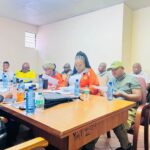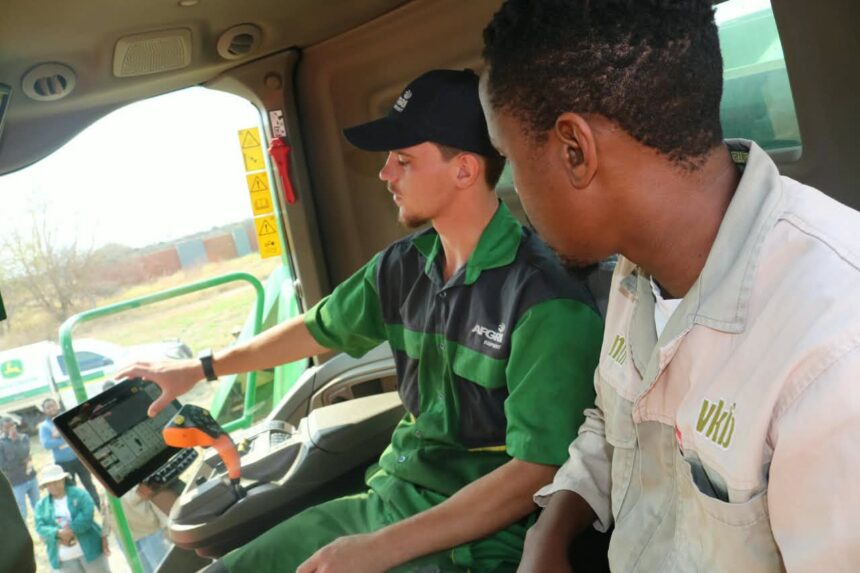
A five-day accredited Mechanization Skills Development Programme was held at Marapyane under Dr JS Moroka Local Municipality to strengthen the technical knowledge and practical abilities of grain farmers in Nkangala District. The programme focused on agricultural mechanisation, machinery operation and the safe and appropriate use of modern agricultural equipment. Farmers participated in three days of theoretical training followed by two days of practical sessions designed to connect classroom knowledge with real farming conditions. The training provided an opportunity for grain farmers to improve their understanding of machinery and develop practical skills that can support more effective farm operations. The initiative highlights the growing importance of mechanisation skills in strengthening agricultural productivity and supporting farmers in managing modern grain production.
Agricultural mechanisation plays an important role in grain farming because machinery can support several stages of the production process. Farmers need to understand how agricultural equipment works, how to operate it correctly and how to use machinery safely in different farming conditions. Proper knowledge can also help farmers make better decisions about the equipment required for specific agricultural tasks. The Mechanization Skills Development Programme addressed these needs by combining theoretical instruction with practical experience. This approach allowed participants to build a stronger connection between the principles discussed during training and the actual operation of agricultural machinery.
The structure of the programme was designed to provide farmers with both knowledge and hands-on experience. The first three days focused on theoretical training, giving participants an opportunity to learn about agricultural mechanisation principles and machinery operation. This part of the programme created a foundation for understanding how equipment should be used and managed during farming activities. The final two days focused on practical training, allowing farmers to apply what they had learned in a real equipment environment. Combining theory and practical sessions gave participants a broader learning experience than classroom instruction alone.
The practical training received additional support through collaboration with AFGRI Equipment Marble Hall, which provided technical expertise on John Deere combine harvesters. This collaboration gave farmers direct access to specialised knowledge relating to combine harvester machinery. Participants received hands-on guidance as they learned more about the operation of the equipment used in grain harvesting. Direct exposure to machinery can help farmers understand operational procedures in a way that theoretical explanations alone cannot provide. The involvement of technical specialists also created an opportunity for participants to engage with people who have practical knowledge of agricultural equipment.
Combine harvesters are important pieces of machinery in grain farming because they are designed to perform key harvesting functions. Understanding how to operate such equipment requires knowledge of the machinery as well as attention to safety and appropriate operating procedures. Farmers who gain practical exposure to combine harvesters can develop a clearer understanding of how the equipment functions during harvesting activities. The training at Marapyane gave participants an opportunity to work directly with John Deere combine harvesters under technical guidance. This practical exposure formed an important part of the programme’s focus on strengthening mechanisation skills among grain farmers.
Safety was another important element of the training programme. Agricultural machinery can involve significant mechanical movement and requires careful operation by people who understand the equipment and its correct use. Farmers need to follow appropriate procedures when operating machinery and should understand the risks associated with incorrect or unsafe use. Training that combines machinery operation with safety principles can help participants approach equipment use with greater awareness and responsibility. By including the safe and appropriate use of agricultural equipment in the programme, the training addressed an important part of responsible agricultural mechanisation.
The programme also supports the broader development of technical capacity among farmers in Nkangala District. Modern farming requires producers to manage not only crops and land but also machinery and other agricultural technologies. Technical skills can help farmers use available equipment more effectively while reducing the risk of inappropriate operation. Practical knowledge can also contribute to better preparation for demanding stages of grain production, particularly during planting and harvesting periods. Strengthening these skills gives farmers a stronger foundation for managing mechanised farming activities.
The location of the programme at Marapyane under Dr JS Moroka Local Municipality provided a direct connection between skills development and local farming communities. Training programmes delivered closer to farmers can create opportunities for producers to develop skills that relate to the conditions and agricultural activities in their area. The focus on grain farmers in Nkangala District also ensured that the programme addressed a specific group with particular mechanisation needs. Grain production depends on timely agricultural operations, making machinery knowledge especially relevant to farmers working within production schedules. Practical training can help farmers better understand the equipment involved in these operations and the importance of using it correctly.
The collaboration with agricultural equipment specialists also demonstrates the value of partnerships in agricultural skills development. Government and agricultural stakeholders can contribute different forms of expertise to farmer development programmes. Training providers can focus on structured learning while equipment specialists can provide detailed knowledge of specific machinery. Farmers benefit when these areas of knowledge come together in a programme that includes both theory and practical application. The cooperation involving AFGRI Equipment Marble Hall and its John Deere combine harvester expertise strengthened the practical component of the Marapyane training.
The five-day accredited programme represents an investment in the technical development of grain farmers in the Nkangala District. Its combination of three days of theoretical learning and two days of practical training gave participants an opportunity to build both conceptual knowledge and hands-on skills. The programme covered agricultural mechanisation principles, machinery operation and the safe and appropriate use of agricultural equipment. The practical sessions, supported by AFGRI Equipment Marble Hall, gave farmers direct exposure to John Deere combine harvesters and provided technical guidance during machinery operations. By strengthening farmers’ mechanisation knowledge and practical capabilities, the programme contributes to the development of more technically skilled agricultural producers who can apply appropriate machinery practices in grain farming.
Join 'Farmers Mag' WhatsApp Channel
Get the latest Farming news and tips delivered straight to your WhatsApp
CLICK HERE TO JOIN