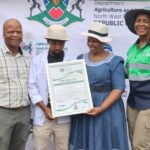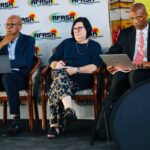
The Eastern Cape Department of Agriculture is strengthening efforts to develop successful agricultural businesses through an Agribusiness Training Programme hosted at Bhofolo Town Hall. The programme brought together farmers involved in different agricultural commodities, including livestock, fruit, horticulture and wool production. It focused on equipping participants with the knowledge and practical skills needed to turn their farming activities into sustainable and profitable business enterprises. Farmers were encouraged to look beyond producing food for household consumption and recognise agriculture as an opportunity to generate income, build wealth and create long-term economic opportunities. The initiative also highlighted the importance of developing farming businesses that can continue operating and growing across generations.
The training formed part of the Department’s Commercialisation Programme, which aims to help small-scale farmers expand their operations and become more competitive in the agricultural sector. Many farmers have valuable production experience but need additional business knowledge to manage their activities as commercial enterprises. Understanding how to plan, budget, manage production and reach customers can make a significant difference to the performance of a farming business. Commercialisation support helps farmers identify opportunities to increase production, improve business operations and participate in wider agricultural markets. By investing in these skills, the Department aims to strengthen the ability of farmers to build financially sustainable enterprises.
Farmers attending the programme received training in several important areas of agribusiness management. These included business planning, production management, marketing, agro-processing, value addition and financial management. Each area plays a role in helping farmers make informed decisions and manage their operations more effectively. Business planning, for example, allows farmers to set clear goals, identify resources and consider the costs involved in running their enterprises. Financial management helps them monitor income and expenses, manage available funds and assess whether their businesses are operating sustainably.
Production management was another important part of the training because successful agribusinesses depend on consistent and well-organised production. Farmers need to understand how to manage their resources, plan production activities and maintain the quality of their products. This is relevant across the different commodities represented at Bhofolo Town Hall. Livestock farmers must manage their herds and production costs, while fruit and horticulture producers need to plan their growing activities and maintain suitable product quality. Wool producers also need effective production practices to ensure that their products meet market expectations.
The programme also placed emphasis on marketing and the importance of connecting farmers with suitable markets. Producing agricultural goods is only one part of running a successful farming business. Farmers must also understand who their customers are, what products those customers require and how to present their goods competitively. Access to larger markets can create opportunities to increase sales and improve business income. However, farmers need appropriate planning, reliable production and an understanding of market requirements to take advantage of these opportunities.
Agro-processing and value addition were also included in the training as ways to increase the economic value of agricultural products. Instead of selling only raw produce, farmers can explore opportunities to process or prepare products for different markets, where suitable facilities, skills and demand exist. Value addition can create additional income opportunities and help agricultural businesses develop beyond primary production. It can also support the development of stronger links between farming, processing and other parts of the agricultural value chain. For farmers, understanding these opportunities is an important step towards building enterprises with a wider range of business activities.
The Department also highlighted the contribution that well-managed farming enterprises can make to local economic development. Sustainable agricultural businesses can support employment and create opportunities for people in surrounding communities. As farms expand, they may require additional workers and services linked to production, handling, processing and distribution. Stronger farming enterprises can also contribute to household income and improve livelihoods in rural areas. Supporting farmers to become commercially successful therefore has benefits that extend beyond individual businesses.
The Commercialisation Programme is intended to benefit farmers across five Eastern Cape districts, namely Alfred Nzo, Amathole, Chris Hani, Joe Gqabi and Sarah Baartman District Municipalities. This district-wide focus recognises the importance of reaching farmers in different communities and supporting a range of agricultural commodities. Farmers operate under different conditions and face different challenges depending on their location, resources and type of production. Providing business training can help them identify practical ways to improve their operations and respond to opportunities within their respective markets. The Department’s aim is to ensure that farmers receive the support needed to expand their businesses, access bigger markets and establish sustainable agricultural enterprises.
An important part of the programme was succession planning, which focused on preparing the next generation to continue family farming businesses. Farmers were encouraged to introduce their children to agriculture from a young age and give them opportunities to develop the knowledge and skills required to manage farming operations. This approach can help younger family members understand the responsibilities involved in running an agricultural enterprise. It also creates opportunities for families to pass on practical experience, business knowledge and an understanding of the land and resources that support their livelihoods. Preparing the next generation can help reduce the risk of farming businesses losing direction when current owners eventually step away from daily operations.
Succession planning requires more than simply identifying a family member who may take over a farm in the future. It involves gradually involving younger generations in decision-making, production activities and business management. Children and young adults who learn about agriculture early can develop a clearer understanding of both its opportunities and its challenges. They can also build the skills needed to manage finances, engage with markets and make informed production decisions. By encouraging this process, the Department is promoting a longer-term approach to agricultural development that places value on continuity and family business growth.
The Agribusiness Training Programme at Bhofolo Town Hall reflects the Eastern Cape Department of Agriculture’s commitment to supporting farmers beyond primary production. Its focus on business planning, financial management, marketing, value addition and succession planning recognises that sustainable agriculture requires both production skills and sound business knowledge. Through the Commercialisation Programme, farmers across Alfred Nzo, Amathole, Chris Hani, Joe Gqabi and Sarah Baartman are being targeted for support to grow their operations and improve their access to markets. Equipping farmers to manage profitable enterprises can strengthen rural livelihoods, support job creation and contribute to the wider agricultural economy. By preparing both current farmers and the next generation, the initiative also promotes an agricultural legacy that families and communities can continue building for years to come.
Join 'Farmers Mag' WhatsApp Channel
Get the latest Farming news and tips delivered straight to your WhatsApp
CLICK HERE TO JOIN