

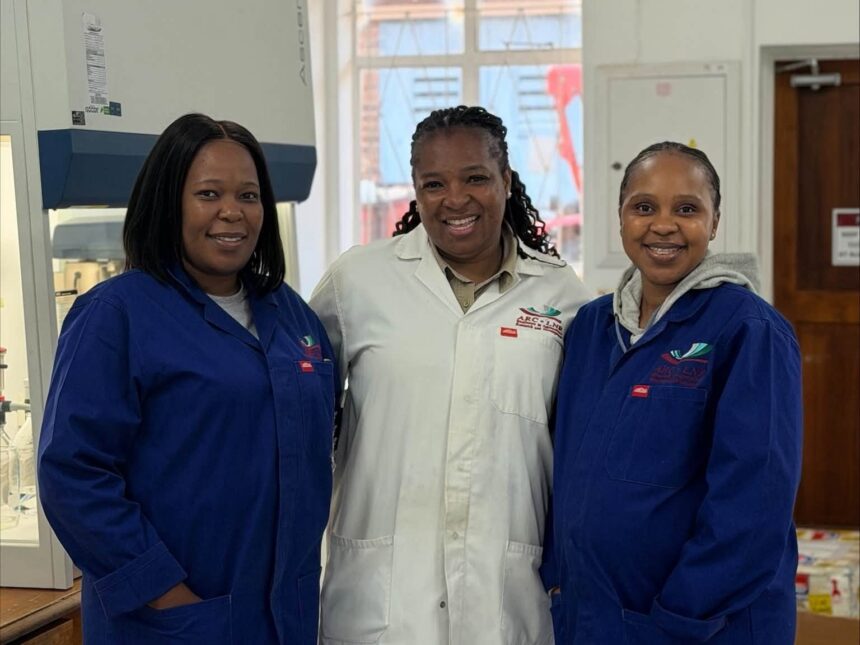
Avocado Sunblotch Viroid, commonly known as ASBVd, is an important disease threat that can affect avocado production and the health of avocado trees. Early identification is essential because infected plant material can contribute to the spread of the viroid within orchards and nurseries. At the Agricultural Research Council Tropical and Subtropical Crops, the Plant Pathology Laboratory is working to identify ASBVd as early as possible and support efforts to prevent its spread. This work forms an important part of protecting the quality and health of avocado planting material used by growers. By supporting early detection and responsible disease management, agricultural researchers can help protect productivity and strengthen the long-term sustainability of South Africa’s avocado industry.
The work carried out at the ARC-TSC Plant Pathology Laboratory focuses on identifying plant health problems that can affect important tropical and subtropical crops. ASBVd requires particular attention because disease management starts with knowing whether infected plant material is present. Early identification can help growers and nurseries take appropriate action before the problem spreads to additional trees or planting material. Laboratory testing therefore provides an important line of defence between disease detection and practical management in the field. The ability to identify potential infections accurately can also help support healthier nursery production and reduce the risk of distributing infected trees to commercial orchards.
The team behind this work includes Research Technician Lebogang Motaung, Senior Research Technician Ayanda Msweli and Research Assistant Thabile Sifunza. Each member contributes to the laboratory’s efforts to identify and investigate plant health threats affecting avocado production. Their work requires attention to detail because reliable disease detection depends on careful handling, testing and interpretation of plant material. Laboratory research may take place away from orchards, but its results can have a direct impact on growers and nursery operators. The team’s contribution demonstrates how technical agricultural research supports farmers and helps address challenges before they become larger production problems.
ASBVd is particularly important because avocado growers depend on healthy planting material to establish productive orchards. Nurseries play a critical role in this process because the trees they produce eventually become part of commercial and small-scale production systems. If infected material enters a nursery or orchard, it can create challenges for maintaining healthy trees and protecting production. Early testing provides an opportunity to identify concerns before infected plants become widely distributed. This makes plant pathology an important part of the broader avocado production system, connecting laboratory science with nursery management and orchard health.
Disease prevention is often more effective when potential problems are identified early. Once a plant health threat becomes established across a production area, controlling its spread can become more difficult and costly. Early detection allows growers and other stakeholders to respond using appropriate management practices and helps reduce unnecessary exposure of healthy planting material. For avocado producers, this can protect long-term investment in orchards because trees represent a significant commitment of land, labour and financial resources. Maintaining healthy planting material from the beginning therefore forms an important foundation for sustainable avocado production.
The work also highlights the importance of collaboration between research institutions, nurseries and growers. Laboratory findings can provide valuable information that helps industry stakeholders make better decisions about plant material and disease management. Growers can support disease prevention by sourcing planting material responsibly and following recommended biosecurity practices. Nurseries can also play an important role by maintaining high standards for plant health and ensuring that their production systems reduce opportunities for disease transmission. When research, nursery management and on-farm practices work together, the agricultural sector is better positioned to protect valuable crops.
South Africa’s avocado industry depends on maintaining both tree health and fruit quality as production continues to develop. Avocados are an important agricultural commodity, with growers supplying local consumers and participating in export markets. Maintaining high production standards is therefore important for protecting the reputation and competitiveness of the industry. Plant diseases can affect productivity and increase production costs, making prevention and early detection important components of commercial farming. Research conducted by institutions such as ARC-TSC can provide the technical knowledge needed to address these risks and support the industry’s continued growth.
Healthy trees also contribute to more consistent production and better use of farm resources. Growers invest heavily in establishing orchards, maintaining irrigation systems, managing soils and protecting trees from pests and diseases. Preventing the introduction and spread of serious plant health problems can help protect these investments over the long term. Laboratory-based disease identification complements other orchard management practices by providing information that may not always be visible through routine observation alone. This combination of scientific testing and practical farm management can strengthen disease prevention across the avocado value chain.
The work of Motaung, Msweli and Sifunza also demonstrates the importance of skilled agricultural research teams in supporting South African farmers. Plant pathology requires specialised knowledge, careful laboratory procedures and an understanding of how diseases affect crops and production systems. Research technicians and assistants contribute to this process by supporting the testing and investigation required to identify potential threats. Their work may not always be visible to consumers, but it forms part of the scientific foundation that supports the food and agricultural industries. Investing in agricultural research capacity is therefore important for helping growers respond to both existing and emerging challenges.
The focus on ASBVd at ARC-TSC shows how disease prevention begins long before fruit reaches the market. Protecting an avocado crop involves maintaining healthy planting material, monitoring tree health, identifying problems early and applying appropriate management measures. Laboratories provide essential support by helping determine whether specific plant health threats are present. Their findings can guide growers and nurseries as they work to maintain healthy trees and reduce the risk of disease spread. This approach can help protect individual orchards while also contributing to the health and sustainability of the wider avocado industry.
The work being carried out by the ARC-TSC Plant Pathology Laboratory ultimately supports a simple but important goal: healthier avocado trees and a stronger avocado industry. The early identification of Avocado Sunblotch Viroid can help growers and nurseries take informed steps to protect planting material and reduce the risk of disease spreading. Lebogang Motaung, Ayanda Msweli and Thabile Sifunza are part of the team contributing to this important agricultural research effort. Their work connects laboratory science with the practical needs of farmers, nurseries and the broader avocado value chain. By strengthening disease detection and prevention, ARC-TSC is helping protect tree health, fruit quality and the long-term growth of South Africa’s avocado industry.
Join 'Farmers Mag' WhatsApp Channel
Get the latest Farming news and tips delivered straight to your WhatsApp
CLICK HERE TO JOIN




