

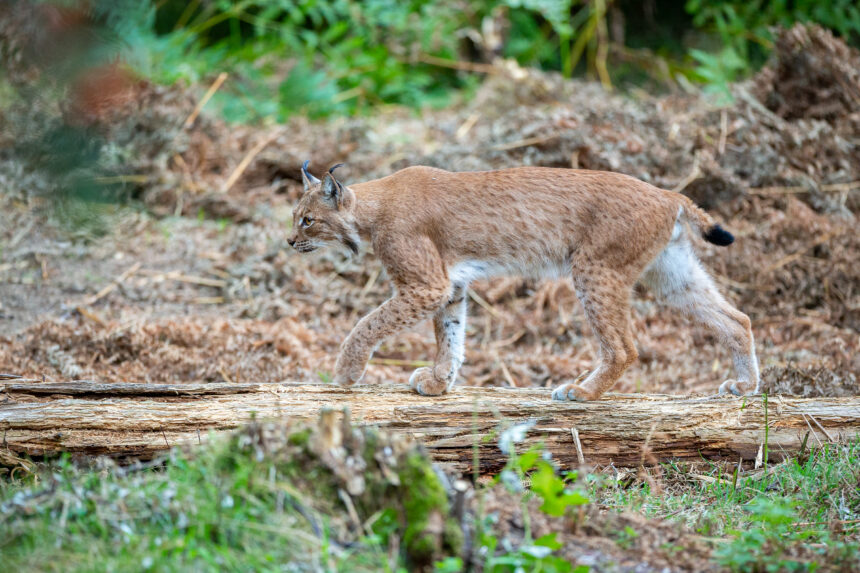
The Northern Cape Department of Agriculture, Environmental Affairs, Rural Development and Land Reform has urged farmers, livestock owners and surrounding communities to remain vigilant following reports of a caracal in the Maipeng Village area in the John Taolo Gaetsewe District. The department received reports from farmers on 10 August 2026 after unusual activity and livestock losses were noticed in the affected farming area. Officials have confirmed that livestock losses have occurred on the affected farm and that the matter is receiving attention. Departmental officials, together with nature conservation officials, have attended to the situation and are assessing the appropriate response. Farmers are being encouraged to take reasonable precautions while officials continue monitoring developments in the area.
The presence of a caracal can create concern among livestock owners, particularly when farmers notice unexplained livestock losses or unusual animal activity. Caracals are wild predators that can move through agricultural areas in search of food, making it important for farmers to remain aware of activity around livestock camps and other vulnerable areas. The department’s response is focused on assessing the situation and managing it appropriately rather than encouraging members of the public to intervene themselves. Farmers can assist officials by providing accurate information about sightings, livestock losses and other unusual activity. Reliable information can help conservation and agricultural officials understand the animal’s movements and determine suitable measures.
Farmers in the affected area contacted departmental officials after observing activity that raised concerns about livestock safety. Reporting unusual incidents quickly gives officials an opportunity to investigate before the situation develops further. The confirmed livestock losses have increased the need for continued monitoring and precautionary measures among affected farmers. Livestock owners should remain attentive to changes in animal behaviour, missing livestock and signs of predator activity around camps and grazing areas. Keeping accurate records of incidents can also help farmers provide useful information to officials during investigations.
The involvement of nature conservation officials is important because the situation concerns both agricultural livelihoods and wildlife management. Caracals are part of South Africa’s natural environment, and managing interactions between wildlife and farming communities requires an informed approach. Officials need to assess the circumstances surrounding the reported sightings and livestock losses before determining the most appropriate response. This can include gathering information about the animal’s movements, examining affected areas and considering measures that can reduce further conflict. A coordinated response helps ensure that the concerns of farmers are addressed while wildlife management responsibilities are also taken into account.
Farmers can take practical steps to improve livestock monitoring while the situation is being assessed. Where possible, livestock should be checked regularly, particularly in areas where unusual activity has been reported. Farmers should pay attention to vulnerable livestock and ensure that animals are accounted for at appropriate intervals. Secure livestock camps and other suitable protective measures may also help reduce opportunities for predators to access animals. Farmers should assess their individual circumstances and implement reasonable precautions that are suitable for their farms while waiting for further guidance from officials.
The department’s warning also extends to people living in and around the affected farming area. Members of the public should remain cautious if they encounter an animal believed to be a caracal. Wild animals can behave unpredictably when they feel threatened, cornered or pursued, making direct interaction dangerous. People should maintain a safe distance and avoid attempting to approach the animal for photographs or other reasons. Children and other vulnerable members of the community should also be reminded not to approach unfamiliar wildlife.
The department has specifically urged the public not to approach, pursue or attempt to capture the animal. This warning is important because efforts by untrained individuals to catch or corner wildlife can put people and animals at risk. Attempting to handle the situation independently can also interfere with the work of trained officials responsible for wildlife and agricultural matters. Instead, members of the public should report confirmed sightings or unusual activity to the relevant departmental officials as soon as possible. Providing information without attempting to intervene directly allows trained personnel to assess the situation safely.
Farmers can also support the response by communicating with neighbours and remaining alert to reports from nearby properties. Predator activity can cross farm boundaries, making communication useful when several properties are located within the same affected area. Sharing reliable information about sightings can help farmers identify possible patterns and take appropriate precautions. However, farmers should distinguish between confirmed observations and unverified reports to avoid unnecessary alarm within the community. Accurate communication can help both farmers and officials respond to the situation more effectively.
Livestock protection remains a key concern for affected farmers because losses can have a direct financial impact on agricultural businesses and rural households. Farmers depend on livestock for income, food production and the long-term sustainability of their farming operations. Repeated losses can place additional pressure on producers who already face challenges related to feed costs, weather conditions, disease and market fluctuations. Early reporting and appropriate monitoring can help reduce the risk of further losses while officials assess the circumstances. Farmers should therefore remain proactive without putting themselves or others at unnecessary risk.
The Northern Cape Department of Agriculture, Environmental Affairs, Rural Development and Land Reform has indicated that it will continue monitoring developments and provide further information as the situation progresses. The response in Maipeng Village highlights the importance of cooperation between farmers, government officials and nature conservation authorities when wildlife and agricultural activities come into contact. Farmers and community members can contribute by remaining vigilant, monitoring livestock and reporting confirmed sightings promptly. They should not approach, chase or attempt to capture the caracal themselves. Continued communication with departmental officials will be essential as authorities work to assess the situation and determine appropriate measures to protect livestock, communities and wildlife in the John Taolo Gaetsewe District.
Join 'Farmers Mag' WhatsApp Channel
Get the latest Farming news and tips delivered straight to your WhatsApp
CLICK HERE TO JOIN




