Indigenous African crops are becoming increasingly important in South African agriculture as farmers look for resilient, sustainable and profitable farming options. These crops have been cultivated for generations and are naturally adapted to many of the country’s diverse climates and growing conditions. As weather patterns become more unpredictable and consumers show greater interest in nutritious, locally produced foods, indigenous crops are attracting renewed attention from commercial and smallholder farmers alike. Many of these crops require fewer inputs than conventional crops while offering excellent nutritional value and opportunities to diversify farm income. Exploring indigenous African crops can help South African farmers improve sustainability, strengthen food security and access growing niche markets.
Indigenous crops have evolved over centuries to survive under African environmental conditions, making them well suited to local farming systems. Many are naturally tolerant of drought, high temperatures and poor soils, allowing them to perform well where some introduced crops may struggle. This resilience makes indigenous crops particularly valuable as climate change continues to increase production risks across many agricultural regions. Their ability to produce reliable harvests under difficult conditions can help farmers reduce losses and improve long-term productivity. By incorporating indigenous crops into their farming systems, producers can build greater resilience while reducing dependence on high-input production methods.
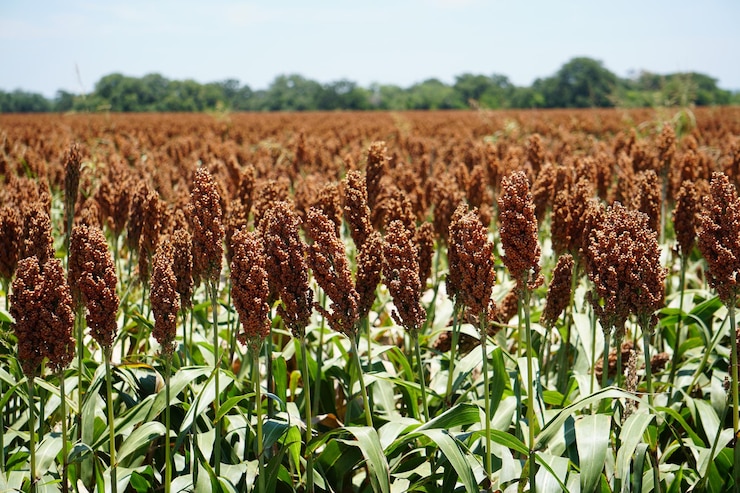
Sorghum is one of South Africa’s most important indigenous grain crops and continues to play a significant role in food production and livestock farming. The crop performs well in areas with limited rainfall and is known for its ability to withstand periods of drought better than many other cereal crops. Sorghum is used to produce porridge, flour, beverages and animal feed, making it a versatile crop with multiple market opportunities. Modern sorghum varieties also offer improved yields and disease resistance while maintaining their adaptability to challenging growing conditions. Farmers looking for alternatives to maize often consider sorghum because of its lower water requirements and strong performance in marginal areas.
Cowpeas are another valuable indigenous crop that offers both nutritional and agricultural benefits. The crop produces protein-rich beans that are widely consumed across Africa while also providing nutritious leaves that can be harvested as leafy vegetables. Cowpeas have the added advantage of fixing nitrogen in the soil, improving fertility for future crops and reducing fertilizer requirements. Their relatively short growing season allows farmers to fit them into crop rotation systems or intercrop them with maize and other cereals. This versatility makes cowpeas an attractive option for farmers seeking to improve both soil health and farm profitability.
Bambara groundnut is gaining recognition as a climate-resilient crop with considerable potential for South African agriculture. The crop produces highly nutritious seeds that are rich in protein, carbohydrates and essential minerals. Bambara groundnut grows well in poor soils and can tolerate dry conditions that would reduce the productivity of many conventional crops. Because it fixes nitrogen naturally, it also contributes to improved soil fertility and supports sustainable farming practices. As demand for alternative protein sources continues to grow, Bambara groundnut offers promising opportunities for value-added food products and local processing industries.
African leafy vegetables have become increasingly popular due to their nutritional value and adaptability to local conditions. Crops such as African spinach, amaranth and spider plant are rich in vitamins, minerals and antioxidants while requiring relatively modest production inputs. These vegetables can provide farmers with regular income because they are often harvested multiple times throughout the growing season. They also appeal to consumers seeking healthier diets and traditional foods that support local food systems. Expanding the production of indigenous leafy vegetables can improve household nutrition while creating new marketing opportunities for fresh produce growers.
African yams, taro and other indigenous root and tuber crops also have significant potential for South African farmers. These crops provide important sources of carbohydrates and can often perform well in areas where other staple crops face production challenges. Many indigenous root crops store well after harvest, allowing farmers greater flexibility when marketing their produce. They also contribute to dietary diversity and food security, particularly in rural communities where traditional crops remain an important part of everyday meals. As interest in indigenous foods continues to grow, these crops may offer attractive opportunities for commercial expansion.
One of the major advantages of indigenous crops is their contribution to biodiversity within agricultural systems. Growing a wider variety of crops helps reduce the risks associated with relying on a single commodity. Diverse farming systems are often more resilient to pests, diseases and changing weather conditions because different crops respond differently to environmental stresses. Crop diversification also supports healthier ecosystems by encouraging beneficial insects, improving soil structure and reducing the spread of crop-specific pests. Farmers who include indigenous crops in their production systems often strengthen both environmental sustainability and economic stability.
Successful production of indigenous crops still requires good farming practices despite their natural adaptability. Farmers should conduct soil tests, prepare land properly and select quality seed suited to their production areas. Weed management, timely planting and appropriate pest monitoring remain important for achieving strong yields and maintaining crop quality. Although many indigenous crops require fewer external inputs than some commercial crops, proper management significantly improves productivity and profitability. Working with agricultural extension officers and research institutions can help farmers access improved production methods and high-quality planting material.
Market development is becoming increasingly important for indigenous African crops as consumer demand continues to expand. Many restaurants, retailers and food processors are incorporating traditional ingredients into modern food products to meet changing customer preferences. Health-conscious consumers are also seeking foods with high nutritional value, creating opportunities for farmers who can supply consistent quantities of quality produce. Value-added processing, including flour production, packaged vegetables and specialty food products, offers additional income opportunities beyond selling raw produce. Farmers who understand market requirements and build relationships with buyers can benefit from the growing interest in indigenous foods.
Government departments, agricultural researchers and development organizations are also promoting indigenous crops as part of broader efforts to strengthen food security and climate resilience. Research programs continue to improve seed varieties, production techniques and market access for many traditional crops. Training initiatives help farmers learn better cultivation practices while encouraging the conservation of valuable indigenous plant resources. These efforts recognize that traditional crops have an important role to play alongside modern agricultural systems rather than replacing them entirely. Continued investment in research and farmer support will help unlock the full potential of indigenous agriculture in South Africa.
Exploring indigenous African crops offers South African farmers an opportunity to build more resilient, diverse and sustainable farming enterprises. Crops such as sorghum, cowpeas, Bambara groundnut and indigenous leafy vegetables provide valuable alternatives that are well adapted to local environmental conditions while supporting food security and rural livelihoods. Their natural resilience, nutritional value and growing market demand make them increasingly attractive for both commercial and smallholder farming operations. By combining traditional agricultural knowledge with modern farming techniques, producers can improve productivity while preserving important aspects of Africa’s agricultural heritage. As climate challenges and consumer preferences continue to evolve, indigenous African crops are well positioned to play an increasingly important role in the future of South African agriculture.
Join 'Farmers Mag' WhatsApp Channel
Get the latest Farming news and tips delivered straight to your WhatsApp
CLICK HERE TO JOIN