Fencing is one of the most important investments for any farm in South Africa. It protects crops, controls livestock movement, and secures valuable infrastructure against theft and wildlife damage. On farms across South Africa, the right fencing system directly affects productivity and long term operational efficiency. Poor fencing leads to animal losses, crop destruction, and constant repair costs that reduce profit margins. A well planned fencing strategy supports both security and efficient land management across different farming activities.
Choosing the right fence starts with understanding the purpose it must serve. Crop farmers often need fencing that keeps livestock and wildlife out of cultivated fields. Livestock farmers require internal fencing for grazing rotation and external fencing for perimeter protection. Game farms need stronger fencing systems designed to contain large and sometimes dangerous animals. Each farming system demands a different material strength, height, and layout to function effectively under local conditions.
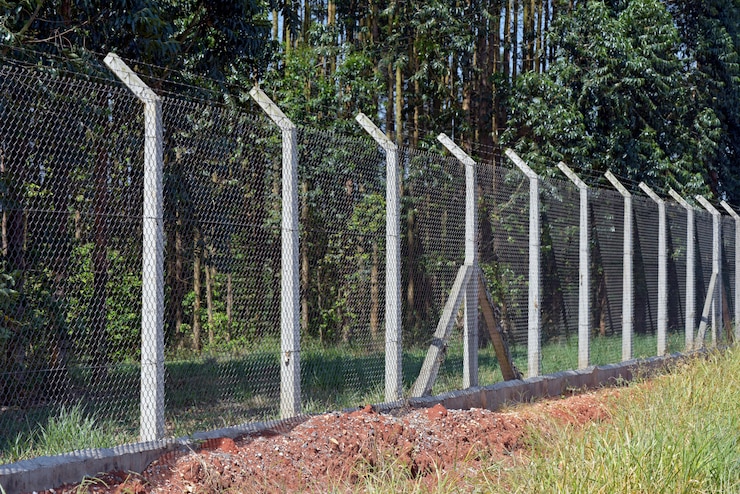
Material selection plays a key role in fencing performance and lifespan. Wire fencing remains the most common option due to its affordability and versatility across different farm types. High tensile wire is often used for stronger perimeter protection, especially in areas with high livestock pressure or wildlife risk. Electric fencing adds an extra layer of security by deterring animals from pushing through or damaging the structure. Wooden posts and steel poles are commonly used for support, with steel offering greater durability in harsh weather conditions.
Proper installation is essential for long term effectiveness. Fence lines should follow natural land contours to reduce strain and prevent sagging over time. Posts must be firmly anchored at regular intervals to maintain tension and structural stability. Gates should be placed strategically to allow easy access for machinery, livestock movement, and crop transport. Poor installation often leads to early failure, even when high quality materials are used. Regular inspection during and after installation helps identify weak points before they become costly problems.
Farm fencing must also consider environmental and security risks specific to South African agriculture. Wildlife intrusion is a major concern in many rural regions, especially near conservation areas. Strong perimeter fencing helps reduce crop damage from animals such as warthogs and antelope. Theft of livestock and equipment is another challenge, making secure fencing a critical part of farm risk management. In some areas, electrified fencing systems are used to provide additional deterrence and improve overall farm security.
The role of fencing extends beyond protection and includes better land management practices. Internal fencing allows farmers to rotate grazing areas, which improves soil recovery and pasture quality. In crop farming systems, fencing helps prevent accidental livestock entry that can destroy entire fields in a short time. Controlled access points also make it easier to manage labour and machinery movement during planting and harvesting seasons. Well planned fencing systems improve efficiency by reducing unnecessary movement across farmland.
Maintenance is just as important as installation for long term performance. Fences should be checked regularly for broken wires, loose posts, and vegetation growth that can weaken structures. Repairs should be done immediately to prevent small damage from turning into larger security risks. Seasonal inspections are especially important after heavy rains or strong winds, which can damage fence lines. Consistent maintenance extends the lifespan of fencing systems and protects the overall investment made by farmers.
Good fencing design ultimately supports profitability, security, and efficient land use. Farmers who invest in the right materials and proper installation reduce long term losses and improve operational control. Strong fencing systems help protect crops, manage livestock effectively, and reduce external threats to farm operations. Careful planning ensures that each section of land is used productively and safely. In the long run, effective fencing remains one of the most reliable foundations of successful farming in South Africa.
Join 'Farmers Mag' WhatsApp Channel
Get the latest Farming news and tips delivered straight to your WhatsApp
CLICK HERE TO JOIN