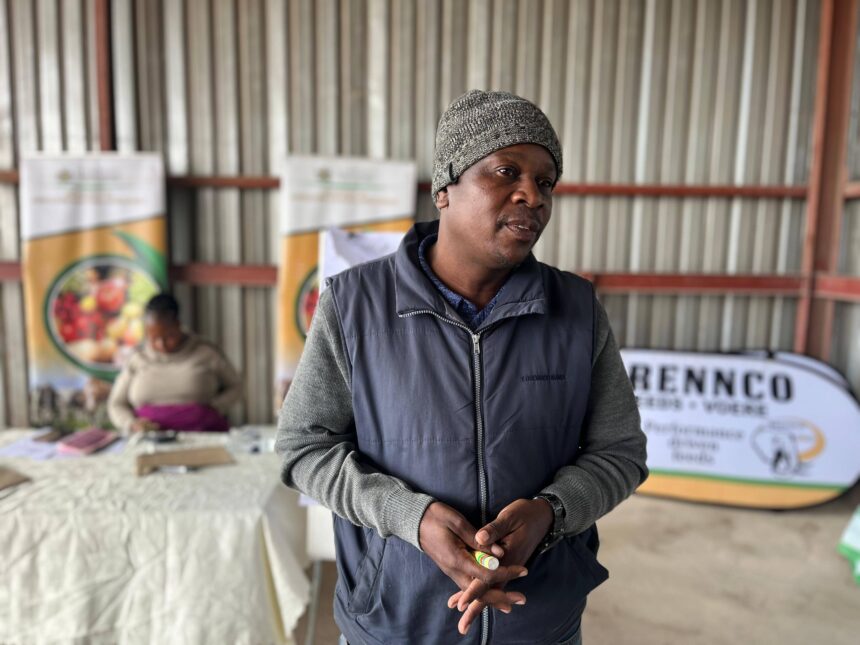
The Limpopo Department of Agriculture and Rural Development, working together with BRENCO Feeds, hosted an important poultry information-sharing workshop aimed at improving farming skills and strengthening rural agricultural systems. The session took place at Setumo Animal Feeds and brought together poultry farmers from Senwabarwana and surrounding villages within the Capricorn East Agro Ecological Zone. The main goal of the workshop was to improve poultry nutrition and farm management practices that directly affect production efficiency and profitability. Farmers attending the session represented both emerging and smallholder operations, many of whom rely on poultry farming as a primary source of income. The engagement created a practical learning environment focused on building sustainable food production systems in rural communities.
The workshop was facilitated by Mr Ravele Prozzy, who guided farmers through key technical aspects of poultry production. A major focus was placed on nutrition management for both broiler and layer chickens, highlighting how feed quality influences growth rates, production cycles, and overall profitability. Farmers were shown how different feeding stages impact poultry development, from starter feeds to finisher and layer rations. The training emphasized that proper feed management is essential for achieving consistent weight gain in broilers and high egg production in layers. Participants also learned how small adjustments in feeding practices can significantly improve farm output over time.
Practical guidance formed a central part of the discussions, with attention given to stage specific feeding programmes that align with poultry growth requirements. Farmers were encouraged to match feed types to the correct production phase to avoid waste and improve efficiency. The session also covered feed conversion ratios, helping farmers understand how effectively their chickens convert feed into meat or eggs. This information is critical for managing costs and improving returns in poultry farming. Many participants engaged actively, sharing their own challenges and learning from real examples provided during the workshop.
Beyond nutrition, the workshop addressed essential biosecurity measures and disease prevention strategies that protect poultry health. Farmers were trained on how to identify common poultry diseases early and respond effectively to prevent losses. Vaccination programmes were discussed in detail, with emphasis on correct timing and proper administration. Additional topics included lighting requirements in poultry houses, which influence growth and egg production cycles. Feed storage practices were also highlighted to prevent contamination and maintain feed quality. Proper housing structures were discussed as a key factor in protecting birds from environmental stress and disease exposure.
Compliance standards and farm management practices were also part of the training, ensuring farmers understand regulatory expectations within the poultry sector. Participants were guided on maintaining clean and safe production environments that meet basic agricultural requirements. The workshop also provided a platform for farmers to openly discuss challenges affecting their feeding management systems. These discussions helped identify practical solutions that can be applied at farm level using available resources. The interactive nature of the session allowed farmers to learn not only from facilitators but also from each other’s experiences.
By the end of the engagement, farmers were expected to have improved knowledge that supports better decision making in their poultry operations. This includes selecting appropriate feeds, choosing suitable breeds for different markets, and improving poultry housing systems. The knowledge gained is intended to help farmers transition from subsistence farming into more structured smallholder and commercial production systems. Such a shift has the potential to improve household incomes and strengthen rural economies. The initiative supports broader goals of food security, job creation, and agricultural development across Limpopo communities.
The workshop reflects a growing focus on empowering emerging farmers with technical skills that directly improve productivity and sustainability. By strengthening poultry nutrition and management practices, the programme contributes to more efficient food production systems in rural areas. It also reinforces the importance of partnerships between government departments, private sector stakeholders, and farming communities. As farmers apply the knowledge gained, they are better positioned to expand their operations and increase their participation in the agricultural economy. This collaborative approach continues to play a key role in building a more resilient and productive poultry sector in Limpopo.
Join 'Farmers Mag' WhatsApp Channel
Get the latest Farming news and tips delivered straight to your WhatsApp
CLICK HERE TO JOIN