Food security in South Africa depends heavily on the strength and growth of its agricultural sector, and emerging farmers are becoming a central part of that system. These farmers operate at different scales, often starting with limited land, capital, and equipment, yet they contribute significantly to local food production. Their participation helps expand the country’s agricultural base beyond large commercial farms. In many rural and peri-urban areas, emerging farmers supply fresh produce directly to local markets and households. This growing segment of agriculture is increasingly important in addressing hunger, nutrition gaps, and rural unemployment.
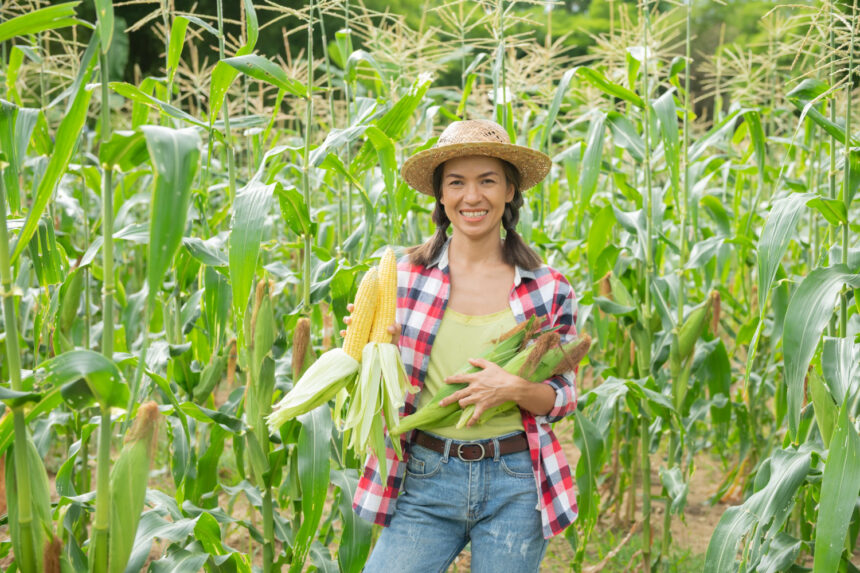
Emerging farmers play a key role in improving access to diverse and affordable food. They often focus on staple crops such as maize, vegetables, beans, and livestock products that are essential to everyday diets. By producing locally, they reduce dependence on long supply chains that can be affected by price increases and logistical disruptions. Their farms also help stabilize food availability in communities that are far from major distribution centers. Many emerging farmers use mixed farming systems that combine crop production and small livestock, improving both productivity and resilience. This diversity supports more stable food supply even under changing weather conditions.
Access to training, land, and finance remains one of the biggest challenges facing emerging farmers in South Africa. Many new entrants into agriculture lack the resources needed to scale production or invest in modern farming technologies. Government programmes, agricultural extension services, and private sector partnerships are helping bridge this gap through mentorship and funding initiatives. These support systems help farmers improve soil management, irrigation practices, and pest control methods. When emerging farmers receive consistent support, their productivity increases and their contribution to national food systems becomes stronger. This also creates opportunities for job creation within farming communities.
Climate change is another major factor shaping the role of emerging farmers in food security. Changing rainfall patterns, drought conditions, and extreme weather events directly affect crop yields and livestock production. Many emerging farmers are adapting by adopting climate smart agriculture practices such as conservation farming, drought resistant crops, and efficient water use systems. These approaches help them maintain production levels while protecting natural resources. Indigenous and traditional crops are also gaining importance because they are more resilient to harsh environmental conditions. This shift supports both sustainability and long term food stability.
Emerging farmers also contribute to local economic development by creating employment and stimulating rural markets. Small scale farming activities generate income not only for farm owners but also for seasonal workers, traders, and input suppliers. Local value chains are strengthened when farmers sell directly to nearby communities, schools, and informal markets. This circulation of income helps reduce poverty and supports rural economic growth. In many regions, emerging farmers are becoming key suppliers of fresh produce in township and informal food systems. Their role ensures that food remains accessible in areas that are often underserved by large retailers.
The future of food security in South Africa depends on continued investment in emerging farmers and the systems that support them. Strengthening access to land, finance, training, and infrastructure will allow these farmers to expand their production capacity. Their contribution is essential in building a more inclusive and resilient agricultural sector that can meet growing population demands. As challenges such as climate change and economic pressure continue to rise, emerging farmers will remain at the frontline of local food production. Supporting them is not only an agricultural priority but also a national necessity for long term food security and sustainable development.
Join 'Farmers Mag' WhatsApp Channel
Get the latest Farming news and tips delivered straight to your WhatsApp
CLICK HERE TO JOIN