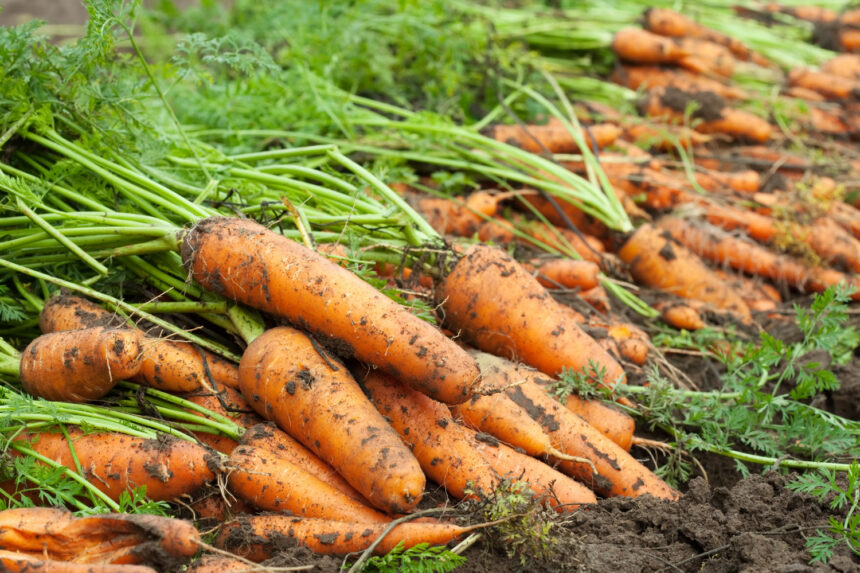
Carrot farming in South Africa has become a strong opportunity for both small-scale and commercial farmers looking to diversify income and meet rising demand for fresh vegetables. Carrots are widely consumed in households, restaurants, and food processing industries, which creates a stable market throughout the year. The crop performs well in many regions when proper soil, water, and climate conditions are maintained. Farmers are increasingly attracted to carrot production because it offers relatively fast turnover compared to long-season crops. With proper planning and management, carrot farming can deliver consistent profits and support long-term agricultural sustainability.
Successful carrot farming starts with the right growing conditions. Carrots prefer loose, well-drained sandy loam soil that allows roots to grow straight and deep without obstruction. Heavy clay soils often lead to poor root development and lower market value due to deformities. The crop also requires moderate temperatures, making cooler regions or winter production cycles more suitable in South Africa. Proper land preparation is essential because soil compaction can directly affect yield quality. Farmers often invest in deep ploughing and soil conditioning to create the ideal planting environment.
Seed selection plays a major role in profitability. High-quality hybrid carrot varieties tend to offer better yields, disease resistance, and uniform size, which improves marketability. Popular varieties in South Africa include Nantes and Chantenay types, which are known for their sweet taste and good storage life. Planting density also affects output, as overcrowding can lead to smaller and lower-quality roots. Farmers typically space rows carefully to ensure each plant has enough room to develop properly. Proper seed choice and spacing directly influence both yield and income per hectare.
Water management is another critical factor in carrot farming success. Carrots require consistent moisture throughout the growing cycle, especially during germination and root development stages. Irregular watering can cause root cracking or splitting, which reduces market value. Drip irrigation is often preferred because it delivers water directly to the root zone while reducing waste. Overwatering should be avoided as it can lead to fungal diseases and poor soil conditions. Efficient irrigation systems help farmers reduce input costs while maintaining high-quality production.
Fertilisation also plays a key role in yield and profitability. Carrots require balanced nutrients, especially nitrogen, phosphorus, and potassium, for healthy root growth. Too much nitrogen can lead to excessive leaf growth at the expense of root development. Soil testing before planting helps farmers apply the correct fertiliser mix and avoid unnecessary costs. Organic compost is also commonly used to improve soil structure and fertility. Proper nutrient management ensures higher yields and better-quality carrots that meet market standards.
Pest and disease control is essential for maintaining profitability. Common threats include root-knot nematodes, aphids, and fungal infections such as powdery mildew. These issues can reduce yield and damage crop quality if not managed early. Farmers often use integrated pest management practices that combine biological control, crop rotation, and safe chemical treatments. Regular field monitoring helps detect problems before they spread widely. Healthy crops reduce losses and improve overall financial returns.
Harvesting and post-harvest handling significantly affect income. Carrots are usually ready for harvest within 70 to 120 days depending on the variety and growing conditions. Timing is important because harvesting too early reduces size, while delaying harvest can affect texture and sweetness. Careful lifting is required to avoid breaking or damaging the roots. After harvest, carrots must be washed, sorted, and graded according to size and quality. Proper packaging improves shelf life and increases chances of securing better prices in formal markets.
Market access is one of the strongest drivers of profitability in carrot farming. Farmers in South Africa sell produce through fresh produce markets, supermarkets, local traders, and direct farm sales. Prices can vary depending on supply and demand, seasonal conditions, and quality standards. Establishing relationships with consistent buyers helps farmers secure stable income. Value-added opportunities such as pre-packed carrots or processed vegetable mixes can further increase profit margins. Farmers who focus on quality and consistency are more likely to access premium markets.
Cost management is essential for maximizing profit. Major costs include seeds, fertiliser, irrigation, labour, and pest control. Efficient planning and bulk purchasing of inputs can reduce overall production costs. Farmers who invest in good infrastructure such as irrigation systems often see higher long-term returns. Labour efficiency during planting and harvesting also affects profitability. Careful budgeting helps ensure that revenue exceeds production expenses.
Carrot farming in South Africa offers strong profit potential when managed correctly. Success depends on proper soil preparation, quality seeds, efficient water use, and strong pest control practices. Market access and post-harvest handling also play a major role in determining income levels. While challenges such as weather variability and input costs exist, careful planning can reduce risks and improve returns. With growing demand for fresh vegetables, carrot farming remains a viable and rewarding agricultural enterprise for farmers willing to invest in good practices and consistent production.
Join 'Farmers Mag' WhatsApp Channel
Get the latest Farming news and tips delivered straight to your WhatsApp
CLICK HERE TO JOIN