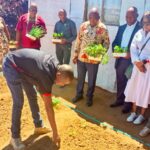
Mentorship is increasingly being recognised as a vital tool for supporting new farmers in South Africa, helping them navigate the challenges of modern agriculture while building sustainable and profitable operations. Emerging farmers often face hurdles such as limited access to land, capital, technical knowledge, and markets. Mentorship programs connect these farmers with experienced producers, industry experts, and agricultural organisations that can provide guidance on everything from crop management to financial planning. These initiatives aim to strengthen skills, improve productivity, and ensure that new farmers have the confidence to grow their businesses. By offering practical advice and sharing lessons learned, mentors play a key role in turning potential into success for the next generation of South African farmers.
Mentorship programs cover a wide range of practical areas that directly impact farm productivity. Experienced mentors provide training on crop rotation, soil management, irrigation, pest and disease control, and livestock care, ensuring that emerging farmers adopt sustainable and efficient practices. They also advise on business operations, including budgeting, record-keeping, marketing, and sourcing inputs. This combination of technical and business guidance helps new farmers avoid costly mistakes and improves their long-term profitability. By providing one-on-one support, group workshops, or field-based training, mentorship programs adapt to the specific needs of each farmer and the crops or livestock they manage.
Many mentorship opportunities are supported by government agencies, non-profit organisations, and private agribusinesses, creating a network that fosters collaboration and knowledge sharing. Programs such as the Department of Agriculture’s farmer support initiatives, industry-led mentorship schemes, and partnerships with universities or agricultural colleges provide structured guidance and access to resources. Mentors often help new farmers connect with input suppliers, buyers, and financial institutions, enabling them to establish reliable supply chains and market access. This approach not only improves farm operations but also integrates emerging farmers into the broader agricultural economy, giving them the tools to compete effectively and sustainably.
Mentorship also focuses on empowering historically disadvantaged groups, including women and youth, who often face barriers to entry in commercial agriculture. Targeted programs provide tailored support, training, and networking opportunities to ensure that these farmers can succeed in a competitive environment. Mentors help build confidence, encourage innovative solutions, and introduce participants to modern technologies and techniques that increase efficiency and output. By promoting inclusion and knowledge transfer, mentorship programs strengthen the resilience of South Africa’s agricultural sector while creating opportunities for economic growth in rural communities.
Mentorship programs are a critical resource for new farmers in South Africa, providing both technical knowledge and practical business guidance to ensure success. By connecting emerging farmers with experienced mentors, these initiatives improve productivity, support sustainable practices, and help participants access markets and funding. Programs targeting women, youth, and disadvantaged communities also promote inclusivity and empower the next generation of agricultural leaders. Through mentorship, new farmers can overcome initial challenges, make informed decisions, and build profitable, resilient operations that contribute to national food security and rural development.
Join 'Farmers Mag' WhatsApp Channel
Get the latest Farming news and tips delivered straight to your WhatsApp
CLICK HERE TO JOIN