Agriculture in South Africa is undergoing a significant transformation as technology becomes more accessible to farmers of all sizes. For emerging farmers, smart farming tools are creating new opportunities to increase productivity, reduce costs, and make better decisions. These technologies are helping farmers overcome challenges such as unpredictable weather, rising input costs, limited resources, and changing market demands. As the agricultural sector becomes more competitive, adopting modern tools is no longer a luxury but an important step toward long term sustainability. Smart farming allows farmers to use data, machinery, and digital solutions to improve efficiency and maximize returns from their farming operations.
One of the most valuable smart farming tools available to emerging farmers is weather monitoring technology. Access to accurate weather information helps farmers plan planting, irrigation, fertiliser application, and harvesting activities more effectively. Mobile applications and weather stations provide real time updates on rainfall, temperature, humidity, and wind conditions. By using these tools, farmers can reduce losses caused by drought, storms, or unexpected weather changes. Better planning also allows farmers to use water and other resources more efficiently, which is especially important in water-scarce regions of South Africa.
Soil testing and precision agriculture tools are also becoming increasingly important for emerging farmers. Soil sensors and testing equipment help farmers understand nutrient levels, soil pH, and moisture content before planting crops. This information allows for more accurate fertiliser application, reducing unnecessary expenses while improving crop performance. Precision farming technologies can identify specific areas of a field that require additional attention, helping farmers target interventions rather than applying treatments across an entire farm. As a result, farmers can improve yields while reducing environmental impact and input costs.
Mobile technology has become one of the most accessible smart farming solutions in rural communities. Smartphones give farmers access to agricultural advice, market information, financial services, and training materials. Agricultural applications provide guidance on pest management, crop production, livestock care, and business management. Farmers can also connect directly with buyers and suppliers through digital platforms, reducing dependence on intermediaries. Access to current market prices helps farmers negotiate better deals and make informed decisions about when and where to sell their products.
Modern irrigation systems are another important tool for improving agricultural productivity. Smart irrigation technologies use sensors and automated controls to deliver water only when and where it is needed. These systems help reduce water waste while ensuring crops receive adequate moisture for healthy growth. In drought-prone regions, efficient irrigation can make the difference between a successful harvest and crop failure. Although some systems require initial investment, the long term savings in water and energy costs can be substantial for farmers looking to expand their operations.
Livestock farmers are also benefiting from technological innovation. Electronic identification systems, tracking devices, and digital record keeping tools help farmers monitor animal health, breeding performance, and movement. These technologies improve disease management and help farmers make informed breeding and marketing decisions. Digital records provide valuable information that can support applications for financing and participation in formal agricultural markets. Improved livestock management contributes to higher productivity and stronger profitability for farming enterprises.
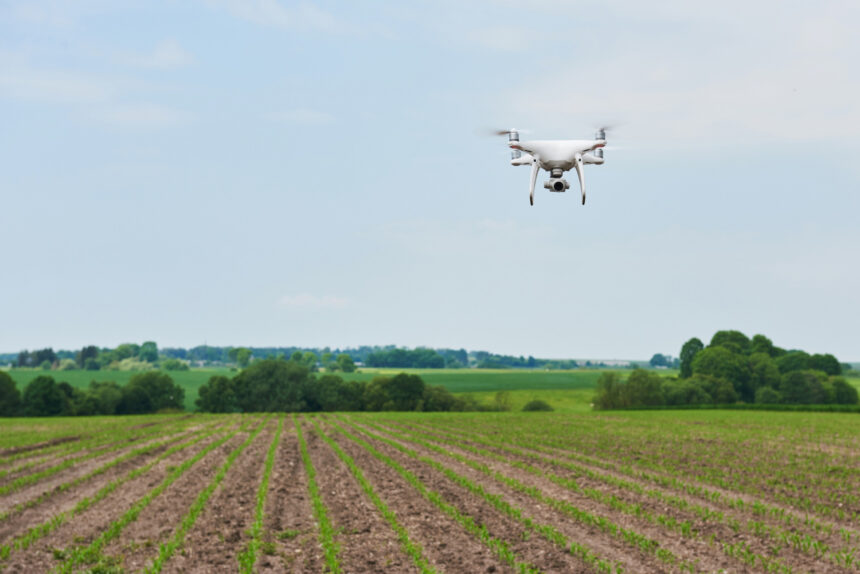
Drone technology is increasingly gaining attention in South African agriculture. Drones can be used to monitor crop health, identify pest infestations, assess irrigation performance, and map farming land. The aerial images collected by drones provide detailed information that would otherwise require significant time and labour to obtain. While drones may still be costly for some emerging farmers, cooperative ownership models and service providers are making the technology more accessible. As costs continue to decline, drone technology is expected to become a more common feature of modern farming operations.
Smart farming tools are helping emerging farmers build stronger, more productive, and more resilient agricultural businesses. These technologies provide practical solutions for managing resources, improving yields, reducing costs, and responding to challenges more effectively. As South Africa continues to modernize its agricultural sector, farmers who embrace innovation will be better positioned to compete and grow. Government support programmes, agricultural training initiatives, and private sector partnerships can further accelerate the adoption of these technologies. By investing in smart farming tools today, emerging farmers can create sustainable businesses that contribute to food security, rural development, and economic growth for years to come.
Join 'Farmers Mag' WhatsApp Channel
Get the latest Farming news and tips delivered straight to your WhatsApp
CLICK HERE TO JOIN