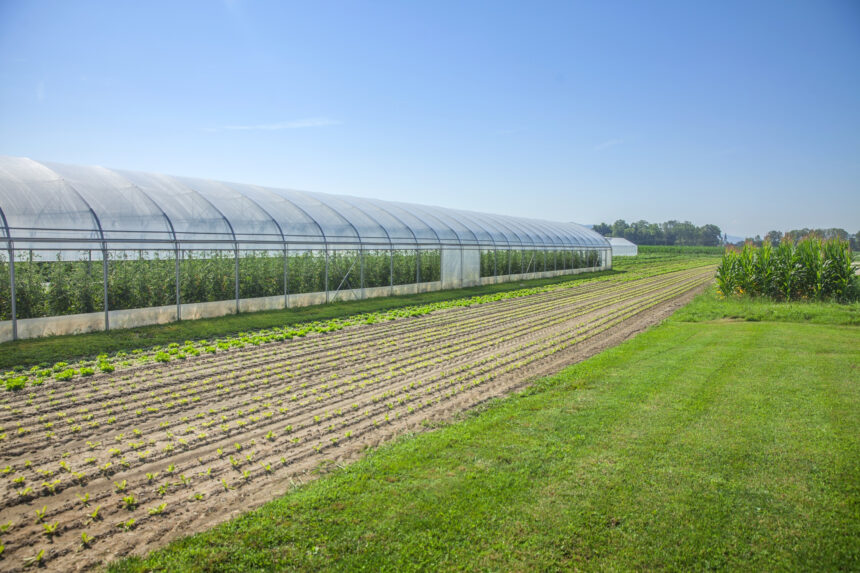
Greenhouse farming is rapidly gaining popularity in South Africa as farmers seek to increase crop yields, improve quality, and extend growing seasons while managing limited resources. By creating controlled environments, greenhouses allow producers to protect crops from extreme weather, pests, and diseases, providing a more stable and predictable output compared to traditional open-field farming. This method is especially valuable in regions facing water scarcity or erratic rainfall, as it enables precise irrigation and nutrient management. Greenhouse farming also opens opportunities for cultivating high-value crops, such as vegetables, herbs, and flowers, which can generate higher income for smallholder and commercial farmers alike. As demand for fresh, locally grown produce rises, understanding the principles and practices of greenhouse farming becomes essential for South African farmers looking to remain competitive and sustainable.
Successful greenhouse farming starts with careful planning and site selection. Farmers must consider factors such as sunlight exposure, wind patterns, soil type, water availability, and proximity to markets. The structure of the greenhouse itself should be designed to optimize temperature, humidity, and ventilation, depending on the crops being grown. Popular greenhouse types in South Africa include tunnel, glass, and polycarbonate greenhouses, each offering different levels of durability, insulation, and cost-effectiveness. Modern technologies, such as automated irrigation, shading systems, and climate control equipment, further enhance the efficiency and productivity of greenhouse operations. Proper planning at this stage is critical to ensure that the investment yields long-term benefits.
Crop selection and management are key components of a successful greenhouse system. Farmers can grow a wide variety of vegetables, fruits, and herbs, often achieving multiple harvests per year due to controlled growing conditions. Soil quality or hydroponic solutions must be managed carefully to provide adequate nutrients and maintain plant health. Integrated pest management strategies, including biological controls and minimal chemical use, are essential to prevent infestations without compromising the controlled environment. Regular monitoring of temperature, humidity, and light intensity allows farmers to adjust conditions to optimize growth. By combining careful crop selection with precise environmental management, greenhouse farmers can consistently produce high-quality crops that meet market standards.
Irrigation and nutrient management are central to maximizing productivity in greenhouses. Water-efficient systems such as drip irrigation allow farmers to deliver precise amounts of water directly to plant roots, reducing waste and lowering costs. Fertilizer application must be carefully timed and measured to support growth without overloading the system, particularly in hydroponic setups where nutrient solutions are recirculated. Monitoring technology, such as soil moisture sensors and automated nutrient injectors, helps maintain optimal conditions for each crop type. These practices not only improve yields but also contribute to sustainable water and resource use, an increasingly important factor in South Africa’s agricultural landscape.
Greenhouse farming in South Africa offers farmers a reliable and efficient method to increase productivity, protect crops, and generate higher returns. By focusing on proper site selection, greenhouse design, crop management, and precision irrigation, producers can achieve consistent, high-quality yields throughout the year. The integration of modern technologies and sustainable practices ensures that greenhouse operations remain environmentally responsible while supporting economic growth. For both smallholder and commercial farmers, investing in greenhouse farming represents an opportunity to meet rising demand for fresh produce, strengthen food security, and build resilient agricultural businesses. With careful planning and ongoing management, greenhouse farming can transform South Africa’s agricultural landscape and provide long-term benefits for farmers and consumers alike.
Join 'Farmers Mag' WhatsApp Channel
Get the latest Farming news and tips delivered straight to your WhatsApp
CLICK HERE TO JOIN