Selecting the right animal feeds is essential for maintaining healthy livestock and achieving optimal production in South Africa’s diverse farming systems. Livestock nutrition directly affects growth rates, milk production, reproduction, and overall animal health. Feeding practices also influence the profitability of a farm, as poor nutrition can lead to disease, low productivity, and increased costs for veterinary care. With a wide range of feed types available, including natural pastures, commercial feeds, supplements, and forage crops, farmers must understand the nutritional needs of their animals to make informed decisions. Choosing the right feeds is a strategic investment that ensures both the short-term and long-term success of livestock operations.
The first consideration when selecting animal feeds is understanding the specific nutritional requirements of each species and production stage. For example, dairy cows require high-protein feeds to support milk production, while growing calves need balanced diets for proper growth and development. Sheep and goats may rely more on roughages but still require energy-rich supplements during lactation or growth periods. Assessing the quality of available feed, including moisture content, fiber levels, and protein composition, is critical to ensure that livestock receive adequate nutrition. Farmers must also account for seasonal variations in pasture availability and nutrient content to maintain consistent feeding throughout the year.
Pasture management plays a key role in providing quality feed and reducing reliance on commercial supplements. Rotational grazing, reseeding degraded pastures, and planting legumes can increase protein and nutrient availability for livestock. Leguminous plants, such as clover and lucerne, fix nitrogen in the soil while improving feed quality, which benefits both animals and land productivity. Additionally, preserving fodder through haymaking or silage ensures that animals have access to high-quality feed during dry seasons or drought periods. Efficient pasture management combined with supplementary feeds allows farmers to optimize livestock health while controlling feed costs.
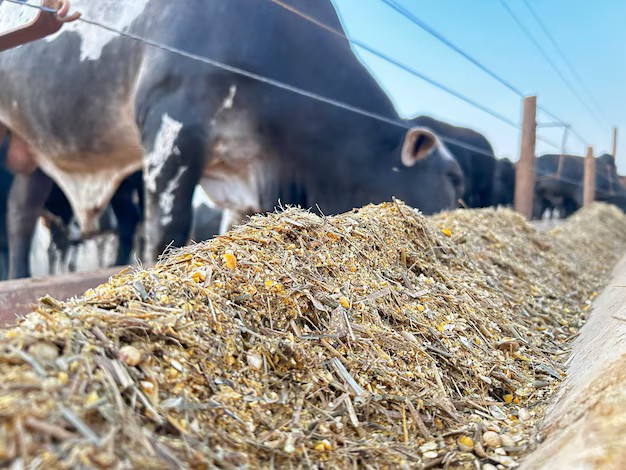
Commercial feeds and supplements are also important for meeting specific nutritional needs that pastures alone cannot provide. These feeds include concentrates, minerals, vitamins, and fortified pellets designed for different livestock species. Choosing the right commercial feed involves considering the feed composition, production stage, and the intended purpose, such as meat production, milk yield, or reproduction. Farmers should work with animal nutritionists or extension officers to balance rations and avoid underfeeding or overfeeding, both of which can harm livestock health and reduce productivity. Proper storage of commercial feeds is equally important to prevent spoilage, contamination, and loss of nutritional value.
Water quality and access are closely linked to feed efficiency and overall livestock performance. Animals require clean, sufficient water to digest feed properly and absorb nutrients. Poor water quality or limited access can reduce feed intake, compromise health, and lower productivity. Integrating water management with feeding practices ensures that livestock can make the most of the nutritional resources provided. Regular monitoring of animal condition, growth, and production allows farmers to adjust feeding strategies to meet changing requirements, ensuring sustained performance throughout the year.
Ultimately, choosing the right animal feeds involves careful planning, monitoring, and adaptation to farm conditions and livestock needs. By combining high-quality pastures, appropriate supplements, and consistent water access, farmers can optimize growth, reproduction, and production while maintaining animal health. Sound feeding practices also improve the efficiency of farm operations, reduce costs, and strengthen the sustainability of livestock enterprises. In South Africa, where environmental conditions and market demands vary widely, a well-planned nutrition strategy ensures that farmers achieve reliable production outcomes. Prioritizing animal nutrition is not only a matter of health but also a critical step toward building profitable and resilient livestock farms.
Join 'Farmers Mag' WhatsApp Channel
Get the latest Farming news and tips delivered straight to your WhatsApp
CLICK HERE TO JOIN