Keeping vegetables fresh for longer is a common struggle for many households. Whether you’re buying in bulk to save money or trying to reduce food waste, knowing how to properly store your vegetables can make a significant difference. By following the right techniques and using a few simple tools, you can extend the shelf life of your vegetables and keep them crisp, nutritious, and ready to use.
The first step in preserving vegetables is to understand that different types have different storage needs. Leafy greens like spinach, lettuce, and kale should be stored in the fridge, ideally in a perforated bag or wrapped in a slightly damp paper towel. This helps them retain moisture without becoming soggy. Avoid washing them before storage—wait until just before use to prevent early wilting.
Root vegetables such as carrots, beets, and radishes last much longer when stored in a cool, dark place. If refrigerating, remove the green tops first, as they draw moisture from the roots. Store them in a breathable container or wrapped in a dry paper towel inside a plastic bag to maintain freshness.
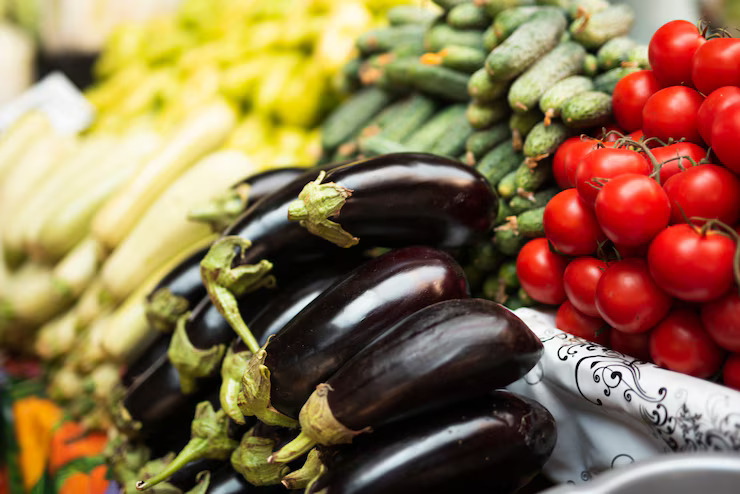
For vegetables like tomatoes, cucumbers, and peppers, room temperature is often best. Refrigeration can affect their texture and flavour, especially in tomatoes, which lose their juiciness and become mealy. Keep these vegetables on a counter away from direct sunlight and only refrigerate them once fully ripe if needed.
Another essential trick is using the crisper drawer in your refrigerator properly. The crisper is designed to control humidity levels, which can keep vegetables like broccoli, cauliflower, and green beans fresher for longer. Store high-moisture vegetables in the high-humidity drawer and ethylene-producing items like apples and bananas away from ethylene-sensitive vegetables such as spinach and broccoli, as the gas accelerates spoilage.
Proper packaging also plays a vital role. Reusable silicone bags, mesh produce bags, and containers with ventilation holes are ideal for allowing airflow while preventing moisture buildup. Avoid airtight plastic bags, as they trap moisture, which can lead to mould and decay.
Freezing is another excellent way to extend the shelf life of vegetables. Blanching vegetables briefly in boiling water before freezing helps preserve their colour, texture, and nutrients. Vegetables like green beans, peas, corn, and chopped spinach freeze particularly well and can be used directly in cooked dishes.
Keeping your refrigerator clean and at the right temperature (around 4°C) also contributes to the longevity of stored vegetables. Check stored produce regularly and remove anything showing signs of decay to prevent it from spoiling nearby items.
Lastly, consider a weekly meal plan to help use up vegetables while they are still fresh. Prepping them in advance—such as chopping and storing in clear containers—can also make it easier to grab and use them before they go bad.
Extending the shelf life of vegetables is about combining smart storage methods with a little planning. With these tips, you can enjoy fresher produce for longer, reduce waste, and save money—making your kitchen more efficient and sustainable.
Join 'Farmers Mag' WhatsApp Channel
Get the latest Farming news and tips delivered straight to your WhatsApp
CLICK HERE TO JOIN