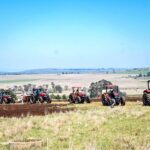
Holistic planned grazing is a livestock management approach that improves pasture health, increases soil fertility, and boosts farm productivity. This method involves carefully controlling the timing, intensity, and duration of grazing to mimic natural herd movements.
The first step is to assess your land. Identify the size of pastures, water sources, and forage types. Divide the land into paddocks to allow rotational grazing. Smaller, well-managed paddocks help prevent overgrazing and give grass time to recover.
Next, determine the appropriate stocking rate. This means calculating the number of animals your pasture can sustain without degrading the soil or vegetation. Adjust the number of livestock according to seasonal forage availability.
Move animals frequently. Holistic planned grazing relies on short grazing periods followed by adequate rest for the pasture. This stimulates plant growth, improves root systems, and increases soil organic matter. Monitor grass height and adjust rotations based on forage recovery rates.
Incorporate monitoring tools. Keep records of pasture condition, animal performance, and soil health. Observing patterns over time allows you to make data-driven decisions and improve grazing efficiency.
Integrate complementary practices. Planting diverse forage species, using cover crops, and applying organic compost can enhance soil fertility and increase resilience against drought. Combining grazing with natural predator management helps control pests without chemicals.
Holistic planned grazing benefits your farm by improving soil structure, reducing erosion, increasing water retention, and enhancing livestock productivity. When practiced consistently, it supports sustainable farming, increases profitability, and builds resilient ecosystems.
Join 'Farmers Mag' WhatsApp Channel
Get the latest Farming news and tips delivered straight to your WhatsApp
CLICK HERE TO JOIN