The North West Department of Agriculture and Rural Development continues to make meaningful contributions to food security, sustainable agriculture and community development through its Thuntsha Lerole initiatives. These interventions focus on addressing food needs, supporting vulnerable communities and empowering local producers to improve their agricultural activities. Through the provision of food supplies, gardening resources and technical assistance, the Department is helping communities develop practical ways to improve access to nutritious food and strengthen household livelihoods. Recent activities included the donation of 200 trays of eggs and seedlings to Legae la Botlhe Old Age Home, support for 10 backyard gardens through the distribution of garden tools and seeds, and technical assistance to the Rasgro Vegetable Project. These initiatives demonstrate the importance of combining immediate food support with long-term agricultural development to build more resilient communities across the North West Province.
Food security remains an important development priority in South Africa, particularly for households and communities facing financial challenges and limited access to nutritious food. It involves ensuring that people have reliable access to sufficient, safe and nutritious food to support healthy and active lives. Agricultural development programmes can contribute to this goal by helping communities produce some of their own food, improve household food supplies and create opportunities for local economic participation. Through Thuntsha Lerole, the North West Department of Agriculture and Rural Development is supporting practical interventions that respond to community needs. These activities also encourage greater participation in agriculture and promote the responsible use of available resources.
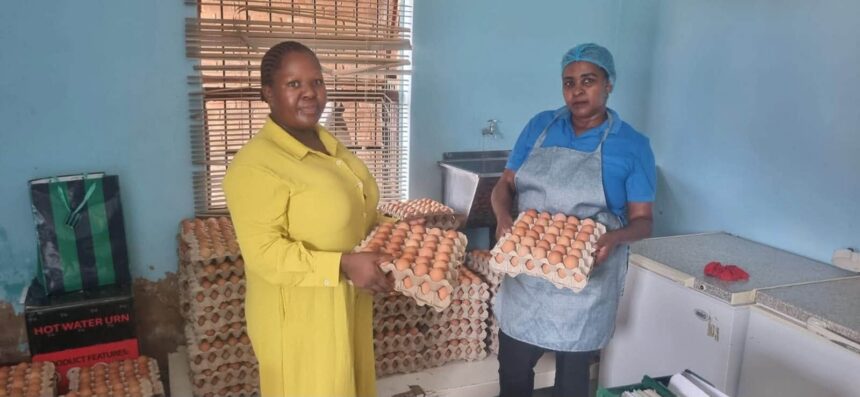
One of the key interventions involved the donation of 200 trays of eggs and seedlings to Legae la Botlhe Old Age Home. This contribution provides immediate food support to an institution that serves older members of the community. Eggs are a valuable source of protein and contain several essential nutrients, making them a useful addition to a balanced diet. The donation of seedlings also creates an opportunity to support food production beyond the immediate assistance provided through the eggs. Depending on the available gardening space and growing conditions, seedlings can help the institution establish or strengthen its own food garden. This combination of food donations and agricultural resources reflects an approach that addresses immediate needs while encouraging longer-term food sustainability.
The support provided to Legae la Botlhe Old Age Home also highlights the importance of including vulnerable groups in community food security programmes. Older people may face challenges related to limited income, mobility and access to affordable nutritious food. Community institutions therefore play an important role in ensuring that older residents receive appropriate care and support. Agricultural interventions that provide food and gardening resources can help strengthen the capacity of these institutions to respond to daily nutritional needs. By supporting facilities such as Legae la Botlhe, the Department is contributing to broader efforts to improve community welfare and promote dignity among vulnerable residents.
Another important component of the Thuntsha Lerole activities was the provision of garden tools and seeds to support 10 backyard gardens. Backyard gardening offers households a practical opportunity to grow fresh vegetables within their own residential spaces. With suitable seeds, basic tools, water and proper guidance, households can establish small gardens that contribute to their daily food requirements. Growing vegetables at home can also reduce some household food expenses and provide access to fresh produce. These gardens encourage families to become more actively involved in food production rather than relying entirely on purchased food. Supporting 10 backyard gardens therefore represents a practical investment in household food security and community participation in agriculture.
The distribution of seeds and garden tools is particularly important because many households may be interested in gardening but lack the basic resources needed to get started. Appropriate gardening equipment makes activities such as preparing soil, planting, watering and maintaining crops easier. Seeds provide the starting point for growing different vegetables suited to local conditions and available space. However, successful backyard gardening also requires consistent care, proper watering and attention to soil health and pest management. Households need to understand the importance of planting crops at suitable times and maintaining their gardens throughout the growing season. With continued support and appropriate agricultural advice, backyard gardens can become useful sources of fresh produce for participating families.
Beyond household food production, the Department also provided technical assistance to the Rasgro Vegetable Project. This intervention focused on borehole water testing and guidance on the water-use licensing application process. Access to reliable water is essential for vegetable production because crops require appropriate moisture levels throughout their growing cycles. Farmers who depend on boreholes need to understand the quality and suitability of their water before using it for agricultural purposes. Water testing can help identify relevant quality concerns and provide information that supports better irrigation and crop management decisions. This technical assistance is therefore an important step towards promoting responsible and informed water use within the vegetable production sector.
Water management is particularly important for agricultural projects operating in areas where rainfall may be limited or unpredictable. Vegetable production requires careful planning to ensure that available water resources are used efficiently. Borehole water can provide an alternative source of irrigation, but its suitability depends on factors such as water quality, availability and the requirements of the crops being grown. Testing helps producers make informed decisions about how to manage their water resources and identify potential concerns. Appropriate irrigation methods, regular monitoring and efficient water-use practices can also help reduce unnecessary water losses. By assisting the Rasgro Vegetable Project with borehole water testing, the Department is supporting more informed agricultural production practices.
Guidance on the water-use licensing application process was another significant part of the assistance provided to the Rasgro Vegetable Project. Water is a regulated natural resource in South Africa, and certain water uses require authorisation in terms of the National Water Act. Farmers and agricultural projects that intend to use water from sources such as boreholes must understand the applicable requirements and determine whether their activities require a water-use licence or another form of authorisation. Navigating the application process can be challenging, particularly for emerging producers and community-based agricultural projects. Technical guidance can help project members understand the relevant procedures and identify the information required for their applications. This support encourages responsible water management while helping agricultural producers work towards regulatory compliance.
The assistance to Rasgro Vegetable Project also demonstrates why agricultural development involves more than providing seeds, equipment or other physical resources. Sustainable vegetable production depends on technical knowledge, proper planning and access to essential resources such as water. Farmers need information that helps them manage production challenges, comply with relevant requirements and improve the long-term viability of their projects. Government support through agricultural extension and technical services can help address some of these challenges. Such interventions can strengthen local food production while creating opportunities for agricultural projects to contribute to community development and local markets.
The Thuntsha Lerole initiatives reflect the value of a coordinated approach to rural development and food security. Supporting an old age home, assisting households with backyard gardens and providing technical guidance to a vegetable production project address different needs within the agricultural and community development environment. The interventions combine immediate food assistance with opportunities for communities to strengthen their own food production capacity. They also recognise that food security requires cooperation between government departments, community institutions, households and local agricultural producers. By directing support towards different groups, the Department is helping create opportunities for broader participation in sustainable agriculture.
These activities also reinforce the importance of sustainable food production as a way of strengthening community resilience. When households have the resources and knowledge to grow vegetables, they can improve their ability to respond to food shortages and rising food costs. Community institutions can benefit from food donations and opportunities to develop their own gardens. Agricultural projects can improve their production practices through access to technical advice and assistance with essential regulatory processes. Although these interventions alone cannot address every food security challenge, they provide practical support that can contribute to longer-term improvements. Continued investment in agricultural development, training and community participation remains important for achieving lasting results.
The North West Department of Agriculture and Rural Development continues to demonstrate its commitment to food security, sustainable agriculture and community empowerment through its Thuntsha Lerole initiatives. The donation of 200 trays of eggs and seedlings to Legae la Botlhe Old Age Home, the provision of gardening resources for 10 backyard gardens and the technical support offered to the Rasgro Vegetable Project all reflect a focus on practical community needs. These interventions help vulnerable groups access food, encourage households to participate in food production and support local agricultural producers in strengthening their operations. Their broader value lies in connecting immediate assistance with opportunities for sustainable development. Through continued collaboration and targeted agricultural support, the Department is helping build stronger communities, improve local food production and advance food security across the North West Province.
Join 'Farmers Mag' WhatsApp Channel
Get the latest Farming news and tips delivered straight to your WhatsApp
CLICK HERE TO JOIN