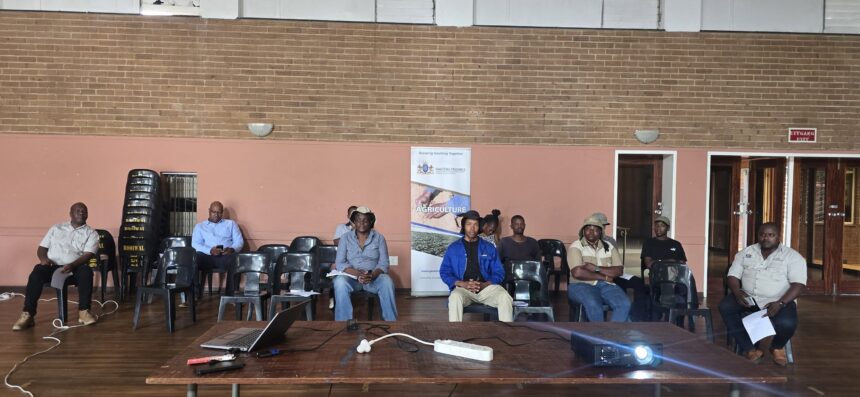
Pig farmers gathered at Rooiwal Hall on Friday for an important Piggery Study Group and African Swine Fever (ASF) Awareness Session hosted by the Gauteng Department of Agriculture and Rural Development (GDARD). The session focused on raising awareness about African Swine Fever and helping farmers understand the importance of implementing effective biosecurity measures on their farms. Led by Dr. Rudel Zowitsky, the meeting provided practical guidance on everyday farming practices that can help reduce the risk of disease introduction and spread. Farmers had an opportunity to learn about essential preventive measures, discuss common challenges and strengthen their understanding of responsible pig farming. The gathering highlighted the importance of cooperation between farmers and agricultural officials in protecting livestock, supporting agricultural production and safeguarding the wider farming community.
African Swine Fever is a highly contagious viral disease that affects domestic pigs and wild pigs. It can cause severe illness and high mortality rates, particularly when the virus enters a previously unaffected pig population. Although ASF does not infect humans, it can have serious economic consequences for pig farmers, agricultural businesses and the pork industry. An outbreak can result in significant livestock losses, movement restrictions and disruptions to the production and sale of pigs and pork products. This makes disease prevention a major priority for every pig farmer, regardless of the size or location of their operation.
During the awareness session, Dr. Rudel Zowitsky explained that strong farm biosecurity remains one of the most important tools for preventing the spread of African Swine Fever. Biosecurity refers to the measures farmers put in place to protect their animals from diseases and reduce opportunities for harmful viruses to enter their properties. These measures involve controlling access to pig housing, maintaining clean facilities, managing animal movements and ensuring that everyone entering the farm follows appropriate hygiene procedures. Farmers were encouraged to understand that biosecurity is not a once-off activity but a daily responsibility that requires consistency and attention. Even small gaps in farm hygiene and disease prevention practices can create opportunities for infection to spread.
One of the key topics discussed was strict access control on pig farms. Farmers were reminded to monitor and limit the movement of visitors, workers, vehicles and equipment within their properties. Unnecessary visitors should not enter areas where pigs are kept, while authorised individuals should follow the farm’s established hygiene procedures before coming into contact with animals. Keeping records of visitors and movements can also help farmers identify possible sources of disease exposure if an outbreak occurs. Farm owners should clearly communicate their biosecurity requirements to employees, contractors and visitors. Controlling access helps reduce the possibility of introducing ASF and other livestock diseases through contaminated clothing, footwear, equipment or vehicles.
The proper use of footbaths was another important biosecurity measure highlighted during the session. Footbaths can help reduce the risk of transferring infectious material between different areas of a farm when farmers use them correctly. However, they must contain an appropriate disinfectant at the correct concentration and require regular cleaning and replacement. Footwear should also be cleaned to remove visible dirt and organic material before disinfection because contamination can reduce the effectiveness of disinfectants. Farmers should establish designated footwear for pig housing areas and prevent outside footwear from entering these spaces. Consistent hygiene practices can make a significant contribution to maintaining a cleaner and safer environment for pigs.
Safe feeding practices also formed part of the discussions. Farmers were reminded to pay close attention to the quality and source of feed given to their animals. Swill feeding, which involves feeding pigs leftover food containing meat or meat products, presents a serious ASF risk when the material contains contaminated pork products. Farmers should avoid feeding untreated food waste and should follow applicable animal health regulations and official guidance on safe feeding practices. Feed and water should come from reliable sources and remain protected from contamination by wild animals, rodents and other potential disease carriers. Proper feed storage and handling are essential parts of an effective farm biosecurity programme.
The session also addressed the importance of quarantine when introducing new pigs onto a farm. Farmers were advised to observe a four-week quarantine period for newly acquired animals before allowing them to mix with the existing herd, in line with the guidance discussed during the session. Quarantine provides an opportunity to monitor new arrivals for signs of illness and reduce the risk of introducing disease into an established pig population. Newly purchased pigs should remain in a separate, designated area with separate equipment and appropriate hygiene arrangements. Farmers should avoid direct or indirect contact between quarantined animals and the main herd during this period. This precaution is particularly important because animals may carry infections without showing obvious symptoms immediately.
Early identification and reporting of suspected disease symptoms were also emphasised as essential responsibilities for pig farmers. Farmers should monitor their animals regularly and look out for unusual changes in behaviour, appetite and general health. Possible signs associated with African Swine Fever include fever, loss of appetite, weakness, skin discolouration, breathing difficulties, vomiting, diarrhoea and sudden deaths. These signs are not exclusive to ASF and can occur with other pig diseases, which makes professional veterinary assessment important. Farmers who notice unusual illness or unexplained deaths should contact the relevant animal health authorities or a veterinarian immediately. Prompt reporting allows officials to investigate suspected cases, provide guidance and take appropriate measures to limit potential disease transmission.
Another important message from the gathering was that African Swine Fever prevention requires a collective effort. A farmer who maintains strict biosecurity measures protects more than just the animals on their own property. Responsible practices also help reduce risks for neighbouring farms and contribute to the stability of the wider pig farming industry. Since pigs, people, vehicles and equipment can create opportunities for disease transmission, cooperation between farming operations is essential. Farmers should share relevant disease information responsibly and follow instructions from veterinary and agricultural authorities during suspected outbreaks. Strong communication and cooperation can help communities respond more effectively to animal health threats.
The Piggery Study Group and ASF Awareness Session at Rooiwal Hall demonstrated the value of agricultural education and farmer engagement. By bringing farmers and officials together, GDARD provided an opportunity to discuss practical challenges and strengthen knowledge about livestock health and disease prevention. The session also reinforced the importance of making informed decisions about animal purchases, feeding practices, farm hygiene and disease reporting. These lessons are particularly relevant to small-scale and commercial pig farmers who depend on healthy livestock for their livelihoods. Regular awareness sessions and continued engagement can help farmers stay informed about disease risks and improve the management of their farming operations.
Farmers were encouraged to put the lessons from the session into practice and make biosecurity an essential part of their daily routines. Simple actions such as controlling farm access, maintaining effective footbaths, using safe feed, quarantining newly introduced pigs and reporting suspicious symptoms can help reduce disease risks. Every person working on or visiting a pig farm has a role to play in maintaining appropriate hygiene standards. Farmers should also remain in contact with veterinary services and agricultural officials for updated information and guidance on African Swine Fever prevention. Consistency is essential because one overlooked precaution can create risks for an entire herd and potentially affect neighbouring farming operations.
The successful gathering at Rooiwal Hall served as an important reminder that protecting pigs from African Swine Fever starts with responsible farming practices. Through the leadership of Dr. Rudel Zowitsky and the support of GDARD, participating farmers gained valuable knowledge about practical biosecurity measures that can be applied in their everyday operations. Preventing ASF requires awareness, discipline, early reporting and cooperation across the agricultural community. Every pig farmer has a responsibility to protect their animals and help prevent the spread of this serious disease. Appreciation goes to all the farmers and officials who participated and contributed to making the Piggery Study Group and African Swine Fever Awareness Session a success. Continued education and collective action remain essential to building a healthier, safer and more resilient pig farming sector in Gauteng and across South Africa.
Join 'Farmers Mag' WhatsApp Channel
Get the latest Farming news and tips delivered straight to your WhatsApp
CLICK HERE TO JOIN