The fight against Foot-and-Mouth Disease (FMD) requires a united effort from farmers, veterinary professionals, government departments and communities. In Gauteng, the Department of Agriculture and Rural Development is emphasising the importance of collaboration, early disease reporting and strict biosecurity measures to protect livestock and strengthen the agricultural sector. Foot-and-Mouth Disease remains a serious threat to livestock farming because it spreads easily among susceptible animals and can cause significant economic losses for affected farmers. Preventing and controlling outbreaks requires more than government intervention. Every farmer, livestock owner and person involved in the agricultural value chain has a responsibility to follow disease prevention measures and report suspected infections without delay. Through collective action, Gauteng aims to protect its livestock industry, support farming livelihoods and strengthen food security across the province.
Foot-and-Mouth Disease is a highly contagious viral disease that affects cloven-hoofed animals, including cattle, sheep, goats and pigs. The disease can spread rapidly through direct contact between infected and susceptible animals, as well as through contaminated equipment, vehicles, clothing and other materials. It can also spread through contaminated animal products and, under certain conditions, through airborne transmission. Common clinical signs in affected animals include fever, excessive salivation, blisters or sores in the mouth and on the feet, reduced appetite and lameness. Animals may struggle to eat or walk comfortably, which can affect their health and productivity. Although FMD does not normally pose a significant public health risk to humans, its impact on animal health, agricultural production and livestock trade can be severe.
For livestock farmers, an outbreak of Foot-and-Mouth Disease can create serious financial and operational challenges. Infected animals may experience reduced milk production, weight loss and difficulties with feeding and movement. Young animals can be particularly vulnerable to severe complications, including heart damage associated with the infection. Movement restrictions may also affect the transportation and sale of livestock, making it difficult for farmers to access markets and maintain normal business operations. These disruptions can affect not only individual farming enterprises but also livestock traders, processors, transporters and other businesses that depend on the agricultural sector. Preventing the spread of FMD is therefore essential for protecting the livelihoods of everyone involved in livestock production.
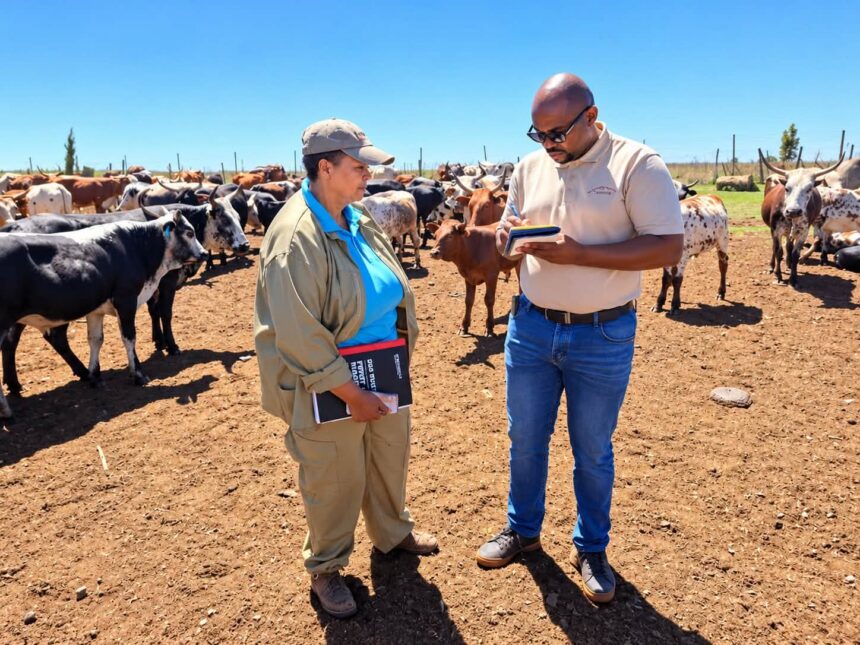
The Gauteng Department of Agriculture and Rural Development has highlighted that early reporting is one of the most important measures in controlling Foot-and-Mouth Disease. Farmers are encouraged to monitor their animals regularly and remain alert to unusual symptoms or changes in behaviour. Any suspected signs of FMD should be reported immediately to the relevant state veterinarian or animal health official. Early reporting allows veterinary authorities to investigate the situation, collect samples where necessary and implement appropriate disease control measures. Farmers should avoid moving animals from affected or suspected properties until they receive guidance from veterinary authorities. Delays in reporting can create opportunities for the disease to spread to neighbouring farms and other livestock populations.
Biosecurity is another essential part of preventing and controlling Foot-and-Mouth Disease. It involves putting measures in place to reduce the risk of introducing infectious diseases onto farms and spreading them between animals and properties. Farmers should control access to livestock areas and ensure that visitors follow appropriate hygiene procedures. Vehicles, equipment and footwear should be cleaned and disinfected when necessary, particularly when moving between different farming properties. Livestock owners should also avoid unnecessary mixing of animals from different herds because direct contact can increase the risk of disease transmission. Maintaining proper records of animal movements and visitors can further assist farmers and veterinary officials when investigating possible disease exposure.
The movement of livestock requires particular attention during periods of increased FMD risk. Farmers should follow all applicable animal movement regulations, permit requirements and veterinary instructions. Buying or selling animals without proper documentation and health checks can create opportunities for disease transmission. Livestock owners should establish clear procedures for introducing new animals onto their farms and seek veterinary advice about appropriate isolation and monitoring arrangements. Animals should not be moved from properties under quarantine or other movement restrictions without the necessary authorisation. Responsible livestock movement practices help protect individual farms and reduce the risk of spreading infection across farming communities.
The role of veterinary professionals is equally important in the fight against Foot-and-Mouth Disease. Veterinarians and animal health technicians provide essential services such as disease surveillance, clinical assessments, sample collection, vaccination support and guidance on biosecurity. Their work helps identify potential outbreaks and supports the implementation of appropriate control measures. Farmers should maintain regular communication with veterinary professionals and seek assistance whenever they notice unusual health conditions in their herds. Professional guidance is particularly important because several livestock diseases can produce symptoms that resemble those of FMD. Accurate diagnosis and timely intervention are necessary to ensure that suspected cases receive the appropriate attention.
Vaccination can also play an important role in Foot-and-Mouth Disease control programmes. However, vaccination strategies must follow the requirements and instructions of the relevant veterinary authorities because vaccine selection and administration depend on the circulating virus strains and the disease control strategy being implemented. Vaccination should form part of a broader approach that includes surveillance, movement controls, biosecurity and early reporting. Farmers should not assume that vaccinated animals are completely protected from infection or that vaccination removes the need for other preventive measures. They should follow official vaccination schedules and keep accurate records of all vaccinations administered. A coordinated vaccination programme can help reduce the impact of disease when implemented as part of an appropriate veterinary control strategy.
Community participation is another important element of Gauteng’s approach to protecting livestock from FMD. Disease prevention becomes more effective when farmers share relevant information and work together to identify and address potential risks. Neighbouring livestock owners should communicate when they notice unusual animal illnesses or receive information about suspected outbreaks in their areas. Community members who transport livestock, work on farms or interact with animals should also understand the importance of following biosecurity procedures. Awareness campaigns can help ensure that people recognise the warning signs of FMD and know how to report suspected cases. A well-informed farming community is better positioned to respond quickly and reduce the risk of widespread infection.
The impact of Foot-and-Mouth Disease extends beyond the farm gate because livestock production supports many households and businesses. Farmers depend on healthy animals to generate income through the sale of livestock, milk and other agricultural products. When disease disrupts production and marketing activities, the effects can reach workers, suppliers, transport businesses and local trading communities. Rural and agricultural economies can experience additional pressure when livestock movements and market access become restricted. Protecting animal health therefore contributes directly to economic stability and the sustainability of farming enterprises. Strong disease prevention measures help safeguard the agricultural value chain and support continued economic activity.
Food security is also closely connected to effective livestock disease management. Healthy livestock contribute to the availability of animal products such as milk and meat, while supporting the incomes of farming households. Disease outbreaks can disrupt production systems and create uncertainty for producers and agricultural markets. Although FMD is primarily an animal health and economic concern rather than a direct human food safety threat, its impact on livestock production can have wider consequences for the agricultural sector. Protecting livestock through responsible farming practices helps maintain productive agricultural systems and supports the broader goal of reliable food supplies. Government, farmers and communities must therefore treat animal disease prevention as an important part of strengthening food security.
Gauteng’s emphasis on collaboration sends an important message to everyone involved in livestock farming: protecting animals is a shared responsibility. Government departments provide veterinary services, disease surveillance and regulatory support, but successful disease control also depends on the decisions farmers make every day. Reporting suspected infections, following movement restrictions, maintaining clean farming environments and cooperating with veterinary officials can make a meaningful difference. Communities must also avoid spreading unverified information and should rely on official animal health guidance during disease outbreaks. Every responsible action helps reduce opportunities for infection and supports a stronger response to potential threats. The success of disease control efforts depends on consistency, communication and cooperation at every level.
The fight against Foot-and-Mouth Disease requires continued commitment from all stakeholders in Gauteng and across South Africa. Farmers must remain vigilant, veterinary professionals must continue supporting disease surveillance and control, and communities must understand their role in preventing transmission. Early reporting, effective biosecurity, responsible livestock movement and cooperation with agricultural authorities remain essential measures for protecting animal health. The Gauteng Department of Agriculture and Rural Development’s message reinforces the connection between healthy livestock, protected livelihoods, stronger food security and a growing rural economy. By standing together and taking responsibility for disease prevention, farmers and communities can help safeguard the future of the livestock industry and build a more resilient agricultural sector.
Join 'Farmers Mag' WhatsApp Channel
Get the latest Farming news and tips delivered straight to your WhatsApp
CLICK HERE TO JOIN