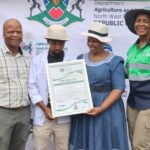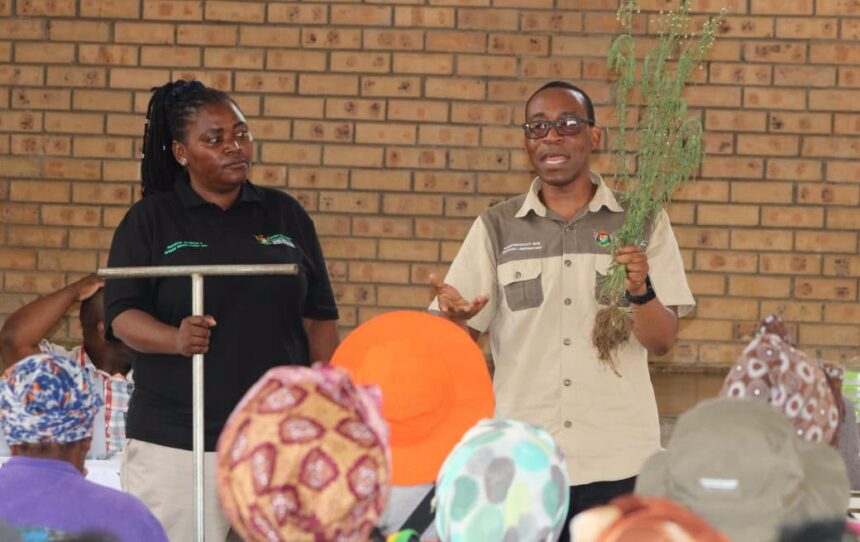
Farmers in Lothair, within the Msukaligwa Local Municipality in Mpumalanga, turned out in large numbers to participate in a LandCare Awareness Campaign aimed at promoting sustainable agricultural practices and environmental protection. Held under the theme “Importance of Field Care for Future Benefits,” the campaign focused on educating farmers about responsible soil management, environmental conservation, veld and pasture management, disaster preparedness and safe burning practices. The initiative highlighted the importance of protecting agricultural land and natural resources to ensure that farming remains productive for future generations. Farmers received practical advice on how to improve soil health, prevent land degradation and manage grazing areas more effectively. The campaign was supported by several stakeholders, including the Department of Economic Development and Tourism (DEDET), the Msukaligwa Fire Department and the Gert Sibande District Municipality, demonstrating the value of cooperation in promoting sustainable agriculture and environmental management across Mpumalanga.
LandCare is an important approach to agricultural and environmental development because it encourages communities to use natural resources responsibly while protecting the land on which they depend. Healthy soil, suitable vegetation and well-managed grazing areas are essential for successful farming, particularly for livestock producers who rely on natural pastures to feed their animals. However, poor land management, overgrazing, uncontrolled burning and the spread of invasive alien plants can gradually reduce the productivity of agricultural land. These challenges can also contribute to soil erosion, declining biodiversity and reduced water availability. Through awareness campaigns such as the one held in Lothair, farmers are encouraged to adopt practical measures that protect the environment while supporting long-term agricultural production.
One of the key messages shared during the campaign was the importance of soil testing before planting. Farmers were encouraged to make use of the free soil testing services available at the Nooitgedacht Laboratory to determine the condition of their soil before preparing their fields. Soil testing provides useful information about nutrient levels and soil acidity, helping farmers make informed decisions about fertiliser application and soil improvement. Without proper soil analysis, farmers may apply incorrect quantities of fertiliser or spend money on agricultural inputs that do not address their soil’s actual requirements. Testing soil before planting can therefore help improve crop production while reducing unnecessary expenses. Farmers were encouraged to make soil testing a regular part of their agricultural planning rather than relying on assumptions about soil fertility.
The campaign also highlighted the importance of choosing suitable areas for cultivation to prevent soil erosion and protect agricultural land. Farmers were advised to avoid planting crops on upper slopes, where land characteristics and water movement can increase the risk of soil erosion. When heavy rainfall occurs, water can flow down sloping areas and carry away valuable topsoil, particularly where vegetation cover is limited. Topsoil contains much of the organic matter and nutrients needed for healthy plant growth, making its protection essential for sustainable farming. Farmers should consider the slope, soil type and drainage characteristics of their land before deciding where to establish crop fields. Appropriate land-use planning, combined with soil conservation measures, can help maintain productive farmland and reduce the effects of erosion.
Another important issue addressed during the LandCare Awareness Campaign was the control of alien invasive plant species. Invasive plants can spread rapidly and compete with indigenous vegetation and agricultural crops for water, nutrients and growing space. Some species can also reduce the availability of grazing land and affect the ecological balance of natural environments. Their uncontrolled spread may place additional pressure on farmers who depend on natural pastures to support their livestock. Farmers were encouraged to identify and manage invasive alien species on their properties as part of their broader environmental management responsibilities. Effective control can help protect indigenous vegetation, improve grazing conditions and support the conservation of natural resources.
Veld and pasture management also featured prominently during the awareness campaign, particularly because of the importance of grazing resources in livestock farming. Healthy pastures provide animals with essential feed and contribute to the overall productivity of livestock operations. However, continuous grazing without sufficient recovery time can weaken grass cover and leave soil exposed to erosion. Farmers need to manage livestock numbers according to available grazing capacity and allow pastures enough time to recover after grazing. Rotational grazing, appropriate stocking rates and the protection of vulnerable grazing areas can help maintain productive veld conditions. Good pasture management also supports soil conservation because healthy vegetation helps hold the soil in place and reduces the impact of rainfall and surface runoff.
Farmers also received guidance on the use of suitable grass species for livestock production. The campaign highlighted Japanese radish and Kikuyu grass as options that farmers could consider for livestock feed and pasture management. Japanese radish, commonly associated with forage and cover-cropping systems, can contribute to soil management while providing grazing opportunities under suitable conditions. Kikuyu is a widely used pasture grass that can provide valuable feed for livestock where climate, soil and water conditions support its growth. Farmers should select forage species according to their local conditions, production objectives and the nutritional needs of their animals. Proper establishment and management remain important to ensure that pasture plants contribute positively to livestock production without creating additional environmental challenges.
Disaster management was another important focus of the Lothair LandCare Awareness Campaign. Agricultural communities face several environmental risks, including veld fires, droughts, floods and severe weather events that can affect livestock, crops and farming infrastructure. These events can result in financial losses and disrupt agricultural production, particularly when farmers are not adequately prepared. Understanding local risks and taking preventive action can help reduce the impact of disasters on farming operations. Farmers were encouraged to recognise the importance of planning, cooperation and communication when dealing with emergencies. Working with relevant municipal and disaster management structures can also help communities improve their preparedness and response capabilities.
Safe burning practices received particular attention because uncontrolled veld fires can destroy grazing resources, damage infrastructure and threaten human and animal lives. Fire can play a role in certain land management activities, but it requires careful planning and responsible supervision. Farmers should understand the applicable fire regulations and ensure that they obtain any required permissions before conducting controlled burns. Appropriate firebreaks, suitable weather conditions, adequate equipment and sufficient personnel are important considerations when planning burning activities. Farmers should also avoid burning when strong winds or dry conditions could cause flames to spread beyond the intended area. The involvement of the Msukaligwa Fire Department provided valuable stakeholder support for raising awareness about fire prevention and responsible fire management.
The participation of DEDET, the Msukaligwa Fire Department and the Gert Sibande District Municipality demonstrated the importance of collaboration in addressing agricultural and environmental challenges. Each stakeholder contributes to areas that affect the sustainability and safety of farming communities. Environmental management requires cooperation between government departments, municipalities, farmers and local communities because issues such as invasive plants, land degradation and veld fires often extend beyond individual properties. Through joint awareness initiatives, farmers can access relevant information and better understand the services and responsibilities of different institutions. Such partnerships also create opportunities for coordinated action when environmental risks threaten agricultural production and community livelihoods.
The LandCare Awareness Campaign in Lothair also reinforced the importance of farmers taking responsibility for the long-term condition of their land. Agricultural land is a valuable resource that requires consistent care, informed decision-making and responsible management. Practices that may appear beneficial in the short term can create serious problems if they contribute to soil degradation, overgrazing or the loss of natural vegetation. Farmers who invest in soil conservation, pasture improvement and responsible land-use practices help protect the productive capacity of their farms. These actions can also benefit neighbouring communities by supporting healthier ecosystems and reducing environmental risks. The campaign encouraged farmers to view land management as an ongoing responsibility rather than an activity that only requires attention when problems arise.
By bringing farmers and stakeholders together, the Mpumalanga Department of Agriculture, Rural Development, Land and Environmental Affairs (DARDLEA) continued to promote awareness of sustainable farming and environmental conservation. The campaign provided practical guidance that farmers can apply in their daily agricultural activities, from testing soil before planting to managing grazing areas and preventing uncontrolled fires. Its theme, “Importance of Field Care for Future Benefits,” captured the need to protect agricultural resources today to maintain productive land for tomorrow. The strong participation of farmers in Lothair reflected the value of community engagement and agricultural education in addressing local challenges. Continued collaboration, responsible farming practices and effective natural resource management will remain essential to protecting Mpumalanga’s agricultural land, strengthening livestock production and ensuring that future generations can benefit from healthy and productive farming environments.
Join 'Farmers Mag' WhatsApp Channel
Get the latest Farming news and tips delivered straight to your WhatsApp
CLICK HERE TO JOIN