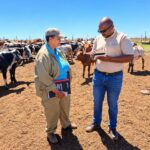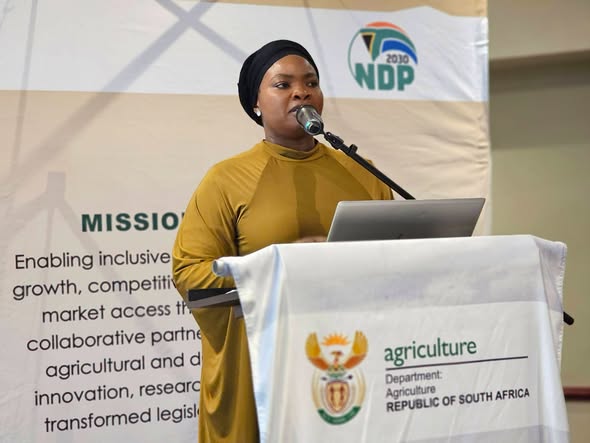
Food security remains one of South Africa’s most pressing development challenges, with farmers playing an increasingly important role in finding sustainable solutions to hunger and poor nutrition. In the Eastern Cape, where 73.4% of households experience food insecurity, stakeholders have gathered in KuGompo City to contribute to the development of the National Food and Nutrition Security Plan (NFNSP) 2025–2033. The consultations bring together government representatives, agricultural stakeholders, community organisations and other role players to discuss practical ways of improving food production, accessibility and nutrition. The discussions recognise that addressing hunger requires more than providing immediate food assistance. It also requires stronger agricultural production, support for local farmers, improved food distribution systems and greater investment in community food security initiatives. Through this consultation process, stakeholders have an opportunity to influence policies and programmes that can strengthen agriculture and improve access to nutritious food across South Africa.
The National Food and Nutrition Security Survey (NFNSS) identifies the Eastern Cape as one of the three provinces most affected by food and nutrition insecurity. The reported findings indicate that 73.4% of households in the province experience food insecurity, while 20.2% of households experiencing food insecurity face severe food insecurity. These figures highlight the difficult circumstances facing many families, particularly those affected by poverty, unemployment and limited access to affordable food. For farming communities, these challenges also raise important questions about agricultural productivity, access to markets and the ability of local food systems to meet household needs. Food insecurity is not simply about whether food is available in markets or shops. It is also about whether households can afford nutritious food and access it consistently throughout the year.
The survey further highlights concerns about the limited consumption of nutrient-rich foods, including fruits, vegetables, pulses, eggs and fish. These foods provide essential nutrients that support healthy growth, development and general well-being. However, many households struggle to include them regularly in their diets because of affordability and accessibility challenges. This situation creates an important opportunity for the agricultural sector to contribute more directly to improving household nutrition. Farmers who produce fresh vegetables, fruit, eggs and other nutritious food products form an essential part of the solution. Strengthening local agricultural production can help improve the availability of nutritious food while creating opportunities for farmers to supply nearby communities and markets.
The National Food and Nutrition Security Plan 2025–2033 consultations provide an important platform for discussing how agriculture can contribute to addressing food insecurity. Farmers understand the practical challenges involved in producing food, including rising input costs, limited access to water, changing weather conditions, inadequate infrastructure and difficulties accessing reliable markets. Their participation is essential because policies intended to improve food production must consider the realities experienced by agricultural producers. Smallholder farmers and emerging agricultural businesses also need opportunities to contribute their perspectives and identify the support required to grow their operations. By including farmers in the planning process, government can gain a clearer understanding of the interventions needed to strengthen agricultural production and improve food availability.
Smallholder farming has significant potential to support household food security, particularly in rural communities. Many households have access to small pieces of land that can be used for backyard gardening and small-scale vegetable production. With appropriate support, these spaces can become valuable sources of fresh produce for household consumption. Access to seeds, seedlings, fertilisers, gardening tools, irrigation equipment and agricultural training can help families establish productive food gardens. Community gardens can also bring residents together to produce food and share agricultural knowledge. These initiatives may not replace the need for commercial food production, but they can complement existing food systems and reduce some household food expenses.
Commercial farmers also have an important role to play in strengthening South Africa’s food security. Their contribution extends beyond producing crops and livestock for sale. They support agricultural employment, supply food processing businesses and contribute to distribution networks that connect producers with consumers. A productive agricultural sector can create economic opportunities throughout the food value chain, including transport, storage, processing and retail. However, farmers need an enabling environment that supports investment, production and access to markets. Improving rural infrastructure, water availability, agricultural services and market opportunities can help strengthen the contribution of both commercial and emerging farmers to national food security.
The consultations also create an opportunity to address the challenges facing agricultural producers in the Eastern Cape. Depending on the area and farming activity, producers may experience difficulties related to water shortages, soil conditions, limited infrastructure, climate variability and access to agricultural finance. These challenges can affect crop yields, livestock production and the ability of farmers to maintain consistent supplies of food. Climate change and unpredictable weather patterns make it increasingly important for farmers to adopt sustainable production methods and improve their ability to manage agricultural risks. Investment in irrigation, soil conservation, climate-smart agriculture and agricultural extension services can help producers become more resilient. These issues should form part of broader discussions about building a food system that can respond to changing environmental and economic conditions.
Another important consideration is the development of local agricultural markets. Farmers need reliable opportunities to sell their produce so that agricultural production remains financially sustainable. When emerging and smallholder farmers struggle to access markets, they may find it difficult to expand production or generate sufficient income. Strengthening connections between farmers, retailers, food processors, schools, community institutions and local markets can create additional opportunities for agricultural businesses. Better storage facilities, transport systems and market information can also reduce post-harvest losses and improve the movement of agricultural products. Supporting local food value chains can benefit producers while helping communities access fresh and nutritious food.
Food security also depends on effective cooperation between government departments and agricultural stakeholders. The Department of Agriculture has an important role in supporting farmers through agricultural extension, training, technical advice and access to relevant development programmes. Other government departments contribute through health services, education, social development, infrastructure and economic development initiatives. Agricultural organisations, research institutions, private sector businesses and community structures can also provide valuable support. Better coordination between these stakeholders can help identify gaps in existing programmes and ensure that available resources address the most urgent needs. The National Food and Nutrition Security Plan consultations offer an opportunity to strengthen this cooperation and develop practical interventions that benefit both farmers and consumers.
The nutritional challenges identified in the National Food and Nutrition Security Survey also highlight the importance of diversifying agricultural production. Increasing the availability of fruits, vegetables, pulses, eggs and fish can help improve dietary diversity and provide households with access to a wider range of nutrients. Farmers can contribute by producing different crops suited to local conditions and responding to demand for nutritious food products. Agricultural development programmes should therefore consider not only production volumes but also the nutritional value and accessibility of the food being produced. Supporting diverse farming systems can strengthen local food supplies and create additional income opportunities for producers. This approach connects agricultural development directly with public health and improved household nutrition.
The involvement of communities in the consultation process is equally important. Residents understand the daily difficulties affecting their access to food, including rising prices, unemployment, transport costs and limited availability of fresh produce in certain areas. Their experiences can help government identify gaps in food distribution and existing support programmes. Farmers can also share practical recommendations on how local production could better respond to community needs. Bringing these perspectives together can help develop solutions that are realistic, locally relevant and sustainable. The consultation process should therefore encourage meaningful participation from rural communities, urban households, agricultural producers and organisations working to improve food security.
The Eastern Cape consultations form part of a broader series of engagements aimed at gathering stakeholder contributions towards the National Food and Nutrition Security Plan 2025–2033. The information collected will help shape a more inclusive national approach to addressing hunger, improving nutrition and strengthening food systems. For the agricultural sector, the process represents an opportunity to ensure that farmers’ concerns and recommendations receive attention in national planning. However, the success of the plan will ultimately depend on effective implementation, adequate resources and cooperation between all relevant stakeholders. Clear programmes and measurable progress will be important in ensuring that the consultation outcomes translate into meaningful improvements for farming communities and households experiencing food insecurity.
The high levels of food insecurity in the Eastern Cape demonstrate why agriculture must remain central to South Africa’s efforts to improve food security. Farmers are not only food producers but also important contributors to employment, rural development and economic growth. Supporting agricultural production, strengthening local markets, improving access to farming resources and encouraging sustainable practices can help create a stronger and more reliable food system. The consultations in KuGompo City provide an important opportunity for farmers, communities and government stakeholders to contribute to this national priority. By placing agricultural development and community participation at the centre of the National Food and Nutrition Security Plan 2025–2033, South Africa can take meaningful steps towards reducing hunger, improving nutrition and building a more resilient agricultural sector. Ultimately, a stronger farming sector means greater opportunities to produce food, protect livelihoods and ensure that more households have access to affordable and nutritious meals.
Join 'Farmers Mag' WhatsApp Channel
Get the latest Farming news and tips delivered straight to your WhatsApp
CLICK HERE TO JOIN