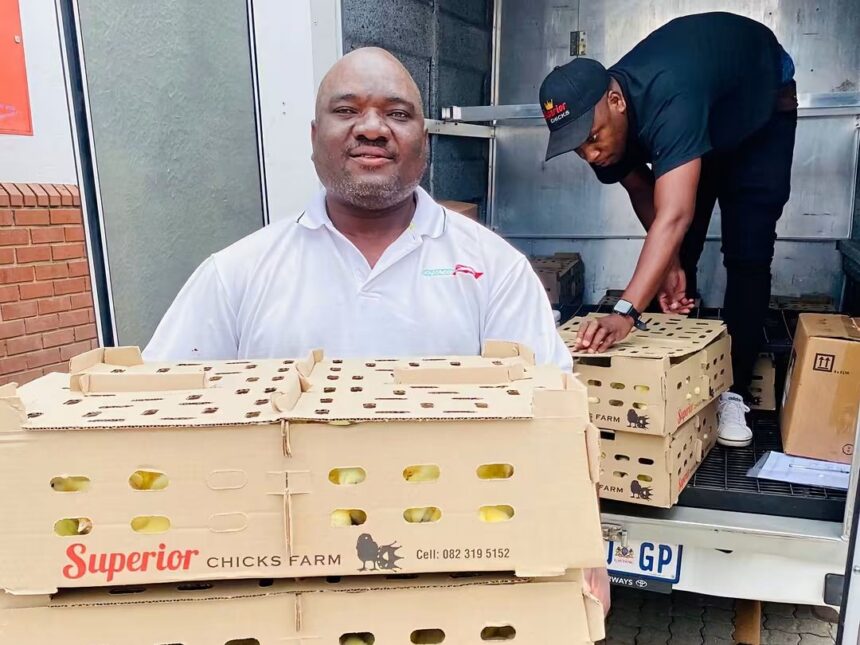
Small-scale poultry farmers across Mpumalanga’s Lowveld are receiving a boost through the Masibuyele Esibayeni Programme, which continues to support emerging agricultural entrepreneurs and strengthen local poultry production. Scores of farmers who have demonstrated a strong interest in growing their poultry enterprises have become new beneficiaries of the programme. Throughout the week, beneficiaries received deliveries of hundreds of broiler chicks each, together with 50kg bags of wood shavings, depending on the size of their respective enterprises. The support aims to help farmers establish and expand their poultry operations while creating opportunities for income generation and rural economic development. By investing in small-scale poultry production, the programme is contributing to efforts to improve agricultural participation, strengthen household livelihoods and create a more inclusive agricultural economy in Mpumalanga.
The latest beneficiaries come from several communities across the Lowveld, demonstrating the programme’s reach in different rural and farming areas. These include Makoko, Salubindza Trust, Thembisa in KaBokweni, Nkohlakalo, Clau-Clau, Dantjie Trust, Jerusalema, Matafeni, Phiva Trust and Umjindi. Farmers in these communities received broiler chicks and supporting materials to help them advance their poultry farming activities. The number of chicks supplied to each beneficiary depends on the size of their enterprise, allowing the support to reflect the scale of their individual operations. This assistance provides emerging poultry farmers with an opportunity to strengthen their production capacity and work towards building sustainable businesses. It also highlights the importance of bringing agricultural development opportunities closer to rural communities.
The Masibuyele Esibayeni Programme plays an important role in supporting small-scale livestock and poultry farmers by helping them participate more actively in agricultural production. Access to productive resources is often a major challenge for emerging farmers who want to establish or expand their businesses. The cost of purchasing livestock, feed, housing materials and other essential farming inputs can make it difficult for small-scale producers to enter the market or increase production. By providing broiler chicks and essential supporting materials, the programme helps beneficiaries overcome some of the initial barriers associated with poultry farming. This type of assistance can create a foundation for farmers to develop their enterprises and improve their ability to generate income from agricultural activities.
Broiler production offers small-scale farmers an opportunity to participate in the poultry value chain because broiler chickens are raised primarily for meat production. With proper management, suitable housing, adequate nutrition and good animal health practices, farmers can develop production systems that supply chicken meat to local consumers and markets. Demand for affordable protein makes poultry farming an important agricultural activity for many rural households. However, successful production requires careful planning and consistent attention to the needs of the birds throughout their growing period. Farmers must ensure that their chicks receive appropriate feed, clean drinking water and suitable environmental conditions. The support provided through the Masibuyele Esibayeni Programme gives beneficiaries an opportunity to build their experience while developing their poultry enterprises.
The provision of 50kg bags of wood shavings alongside the broiler chicks is another important aspect of the support. Wood shavings are commonly used as bedding material in poultry housing because they help absorb moisture and provide a suitable surface for birds. Proper bedding management contributes to cleaner poultry housing and can help reduce problems associated with wet or poorly maintained litter. Farmers must regularly monitor the condition of the bedding and replace or manage it when necessary to maintain good hygiene. Poor litter management can contribute to the spread of harmful microorganisms and increase the risk of disease within poultry houses. Providing this material alongside the chicks helps beneficiaries prepare their production facilities and establish better poultry management practices from the beginning.
Proper poultry housing and biosecurity are also essential for farmers who want to build successful broiler enterprises. Poultry houses should provide adequate ventilation, protection from extreme weather and enough space for birds to move comfortably. Farmers must also maintain clean feeding and drinking equipment to reduce the risk of contamination. Limiting unnecessary access to poultry houses and following appropriate hygiene practices can help prevent the introduction and spread of diseases. Regular observation of the birds allows farmers to identify unusual behaviour, poor feeding patterns or signs of illness early. Developing these practices is important for protecting the chicks, reducing avoidable losses and improving production outcomes.
The arrival of hundreds of broiler chicks represents an important opportunity for the beneficiaries, but it also comes with the responsibility of managing their enterprises effectively. Poultry farmers need to understand the costs associated with feed, water, electricity, veterinary care and general maintenance. Careful financial planning can help them determine production expenses and estimate potential returns before selling their chickens. Farmers should also identify possible customers and market opportunities early to avoid difficulties when their birds reach market weight. Building relationships with local consumers, retailers and other potential buyers can help create more reliable sales opportunities. A well-managed poultry enterprise can gradually develop from a small household activity into a sustainable source of income.
The programme’s support also has the potential to contribute to employment creation and economic activity within rural communities. As poultry businesses expand, farmers may require additional assistance with feeding, cleaning, monitoring and preparing chickens for sale. These activities can create work opportunities for household members and other community residents. Increased local poultry production can also stimulate demand for services and supplies linked to the agricultural value chain. Small-scale farmers who succeed in growing their businesses may eventually contribute to local food supply systems and strengthen economic activity in their communities. Supporting emerging poultry entrepreneurs is therefore an important part of promoting inclusive rural development.
The participation of farmers from communities such as Makoko, Salubindza Trust, Thembisa in KaBokweni, Nkohlakalo, Clau-Clau, Dantjie Trust, Jerusalema, Matafeni, Phiva Trust and Umjindi demonstrates the importance of extending agricultural opportunities across different parts of the Lowveld. Rural communities have significant potential to contribute to agricultural production when farmers receive access to the necessary resources and support. Programmes that assist emerging producers can help unlock this potential while encouraging greater participation in commercial agriculture. The delivery of broiler chicks and wood shavings provides beneficiaries with a practical starting point for strengthening their poultry operations. Continued commitment, responsible management and access to relevant agricultural guidance will be important in helping these farmers achieve sustainable growth.
The latest deliveries under the Masibuyele Esibayeni Programme mark an encouraging development for small-scale poultry farmers across Mpumalanga’s Lowveld. By providing broiler chicks and essential bedding materials, the programme is helping emerging producers take practical steps towards growing their agricultural enterprises. The support also creates opportunities to improve household incomes, strengthen local food production and encourage rural entrepreneurship. However, the long-term success of these businesses will depend on proper poultry management, effective disease prevention, sound financial planning and access to reliable markets. As beneficiaries begin raising their new flocks, their progress will reflect the importance of investing in small-scale farmers and creating opportunities for communities to participate meaningfully in agriculture. The Masibuyele Esibayeni Programme continues to demonstrate how targeted agricultural support can help turn the ambitions of emerging farmers into productive rural enterprises.
Join 'Farmers Mag' WhatsApp Channel
Get the latest Farming news and tips delivered straight to your WhatsApp
CLICK HERE TO JOIN