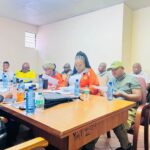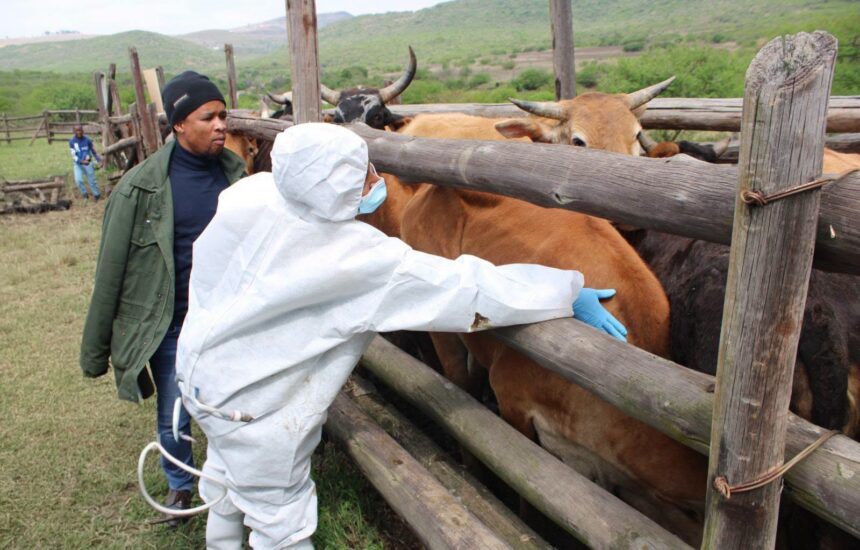
The fight against Foot and mouth disease (FMD) is reaching farming communities in Alfred Nzo District, with Deputy Minister Nokuzola Capa leading a livestock vaccination drive in Mgungundlovu Village, KwaBhaca, in the Eastern Cape. The campaign focuses on protecting cattle from a serious livestock disease while supporting farmers who depend on healthy animals for their livelihoods. As part of the vaccination effort, 450 cattle have received FMD vaccinations, strengthening measures to protect livestock in the area. The campaign also brings government representatives closer to farming communities, allowing farmers to discuss animal health concerns and practical challenges affecting their livestock. The initiative highlights the importance of disease prevention, responsible livestock management and continued cooperation between farmers and agricultural authorities.
Foot and mouth disease is a highly contagious animal disease that affects cloven-hoofed animals, including cattle, sheep, goats and pigs. The disease can have serious consequences for livestock farmers because outbreaks can disrupt animal movement, trade and normal farming activities. For communities that rely on cattle for income, household resources and agricultural production, protecting animals from disease remains an important part of maintaining stable livelihoods. Vaccination forms part of broader disease control efforts and can help strengthen protection among livestock populations when carried out as part of appropriate animal health programmes. The vaccination of 450 cattle in Mgungundlovu Village therefore represents an important practical step in the wider effort to protect livestock and support farmers in Alfred Nzo.
The involvement of Deputy Minister Nokuzola Capa in the vaccination drive also places attention on the direct needs of farming communities. Rather than focusing only on the vaccination process, the engagement includes discussions with farmers about animal health, disease prevention and responsible livestock management. These discussions give farmers an opportunity to receive practical information that can help them make informed decisions about the care and management of their animals. Good livestock management requires farmers to pay attention to animal health, follow relevant disease control measures and work with agricultural authorities when health risks arise. Strong communication between farmers and government officials can help communities respond more effectively to livestock disease threats.
The vaccination of cattle is particularly significant for farmers who depend on their herds as an important part of their livelihoods. Healthy cattle can support farming activities, household income and the continued development of livestock enterprises. When disease affects livestock, farmers can face disruptions that extend beyond individual animals and can affect wider farming communities. Disease prevention can therefore play an important role in protecting the productive capacity of rural households. By bringing vaccination and animal health discussions directly into the community, the campaign seeks to strengthen awareness while providing practical support to livestock owners.
The campaign in Mgungundlovu Village also reinforces the importance of responsible livestock management. Farmers have an important role to play in maintaining animal health by following veterinary and agricultural guidance and taking disease prevention seriously. Regular attention to the condition of livestock can help farmers identify potential health concerns and seek appropriate assistance when necessary. Farmers also need clear and reliable information about disease control measures so they can understand why vaccination and other precautions matter. Effective livestock health management depends on cooperation between farmers, veterinary services and government structures.
The focus on livestock productivity adds another important dimension to the campaign. Protecting cattle from disease is not only about responding to immediate health risks. It also supports farmers’ ability to maintain productive herds and manage their livestock more effectively over time. Discussions about animal health and responsible management can help farmers understand the connection between disease prevention, animal welfare and agricultural productivity. Practical knowledge can be especially valuable in rural communities where livestock forms an important part of household economic activity. Supporting farmers with information and appropriate animal health interventions can contribute to stronger and more sustainable livestock farming.
Foot and mouth disease control also requires continued attention beyond a single vaccination campaign. Farmers need to remain aware of disease prevention measures and follow official instructions relating to livestock health and movement. Government-led programmes can help provide communities with access to vaccination and information, while farmers remain central to the day-to-day management of their animals. Cooperation becomes particularly important when communities face the risk of livestock disease because early action and responsible management can support broader disease control efforts. The campaign in Alfred Nzo demonstrates how direct engagement can connect national agricultural priorities with the practical realities faced by farmers.
The vaccination of 450 cattle in Mgungundlovu Village sends a clear message about the value of protecting livestock at community level. The initiative combines a practical animal health intervention with direct engagement between government and farmers. It also creates an opportunity to reinforce knowledge about disease prevention, responsible livestock ownership and measures that can support better productivity. For farming communities, these efforts matter because the health of livestock is closely linked to the stability of agricultural livelihoods. Protecting cattle can therefore form part of a wider effort to strengthen rural economies and support households that depend on livestock.
The Alfred Nzo campaign highlights the importance of taking Foot and mouth disease prevention seriously while ensuring that farmers remain at the centre of livestock health efforts. Deputy Minister Nokuzola Capa’s engagement in Mgungundlovu Village, KwaBhaca, brings attention to the need for practical support, vaccination and ongoing communication with livestock owners. With 450 cattle vaccinated as part of the campaign, the initiative has strengthened efforts to protect animals in the community. Continued cooperation between farmers and agricultural authorities will remain important in promoting responsible livestock management and disease prevention. Healthy livestock can provide farmers with a stronger foundation for protecting their livelihoods and building more resilient farming communities.
Join 'Farmers Mag' WhatsApp Channel
Get the latest Farming news and tips delivered straight to your WhatsApp
CLICK HERE TO JOIN