Agriculture Minister Willie Aucamp has called on farmers across South Africa to work together to ensure sufficient food production and strengthen the country’s food security. The Minister made the call while participating in the Farmer’s Weekly Agricultural Forum at Die Krip, outside Magaliesburg, where he joined commercial and emerging farmers, agribusiness professionals, agricultural students, policymakers and other sector stakeholders. The two-day forum, taking place from 4 to 5 September 2026, provides an important platform for discussions about the future of South African agriculture. Aucamp’s participation places food production and cooperation among farmers at the centre of conversations about the sector’s long-term sustainability. The gathering also gives participants an opportunity to discuss the challenges facing agriculture while identifying practical opportunities that could strengthen the industry.
The Farmer’s Weekly Agricultural Forum brings together people from different parts of the agricultural value chain, creating an environment where diverse experiences and perspectives can be shared. Commercial farmers and emerging producers operate under different circumstances, but both play important roles in maintaining agricultural production and contributing to food security. Agribusiness professionals also have a role to play through the provision of inputs, services, technology, finance, processing and market opportunities. Agricultural students represent the next generation of professionals and producers who will contribute to the future development of the sector. Bringing these groups together can encourage stronger relationships and create opportunities for collaboration on issues affecting agriculture.
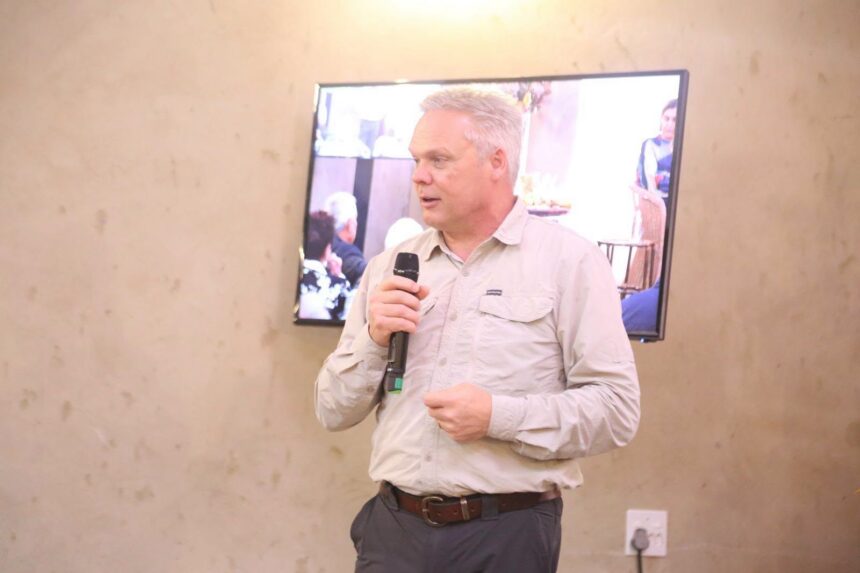
Aucamp participated in the forum as a panellist, allowing him to engage directly with participants and respond to questions from the audience. This format gives farmers and other stakeholders an opportunity to raise issues directly with the Minister and hear his views on matters affecting the agricultural sector. Open discussion can help bridge the gap between policymakers and people working directly in agriculture. It also gives government an opportunity to hear concerns from producers, businesses and students who experience different aspects of the sector. Such exchanges can contribute to more informed discussions about policies and interventions needed to support agricultural growth.
In his opening address, Aucamp placed food production at the centre of the sector’s responsibilities. South Africa depends on a productive agricultural industry to maintain food supplies and support economic activity across rural and urban communities. Farmers face numerous pressures that can affect production, including input costs, market conditions, environmental factors, infrastructure constraints and animal health challenges. Cooperation between producers can help the sector respond more effectively to these pressures while maintaining focus on food production. The Minister’s call for farmers to work together therefore highlights the importance of collective action in protecting and strengthening national food security.
Food security depends on more than the ability to produce agricultural commodities. A strong food system requires reliable production, functioning supply chains, access to markets and the ability to move agricultural products efficiently from producers to consumers. Farmers also need access to appropriate inputs, finance, technology, infrastructure and knowledge to maintain productive operations. When challenges arise in one part of the agricultural value chain, they can affect other participants and ultimately influence food availability and prices. Discussions at forums such as the Farmer’s Weekly Agricultural Forum can help stakeholders examine these connections and identify areas where cooperation can improve the resilience of the food system.
The participation of emerging farmers is particularly important in discussions about the future of agriculture. New and developing producers require opportunities to access markets, finance, land, skills and other resources that can help them establish sustainable businesses. At the same time, commercial farmers bring extensive experience in production, business management and market participation that can contribute to knowledge sharing across the sector. Creating stronger relationships between different groups of farmers can support the exchange of knowledge and encourage partnerships. A more connected agricultural sector can be better positioned to address shared challenges while creating opportunities for producers at different stages of development.
Agribusiness professionals also form an important part of the discussions because farmers depend on a wide network of businesses and service providers. Input suppliers, financial institutions, processors, logistics companies and technology providers all contribute to the functioning of the agricultural economy. Changes in production costs, market demand and technology can have significant effects on farming businesses. Bringing agribusiness representatives into direct conversations with farmers and policymakers can help identify practical solutions to these challenges. Collaboration across the agricultural value chain can also help ensure that innovations and services respond to the real needs of producers.
The presence of agricultural students at the forum adds another important dimension to the discussions. Young people studying agriculture will eventually enter a sector that is expected to become increasingly reliant on technology, data, innovation and sustainable production methods. Giving students access to conversations involving farmers, industry professionals and policymakers can expose them to the practical challenges facing agriculture. It can also help them understand the range of career and entrepreneurial opportunities available within the agricultural value chain. Developing skilled agricultural professionals is important for ensuring that the sector has the knowledge and expertise needed to remain productive and competitive.
The forum also creates space to discuss sustainability and resilience, which are increasingly important considerations for farmers. Agricultural businesses need to remain productive while managing resources responsibly and responding to changing environmental and economic conditions. Sustainable farming practices can help producers protect productive resources while maintaining long-term agricultural activity. Resilience also requires farmers to prepare for disruptions that can affect production, markets and supply chains. Sharing experiences and practical approaches through sector forums can help producers identify strategies that may strengthen their operations.
The two-day event provides an opportunity for participants to move beyond identifying problems and focus on possible solutions. Meaningful dialogue can help stakeholders understand the challenges faced by different parts of the agricultural sector and identify areas where cooperation can make a measurable difference. Policymakers can gain insight into the practical consequences of regulations and programmes, while farmers can better understand the broader policy and economic environment in which they operate. Agribusinesses can also identify opportunities to develop services and products that respond to producer needs. This exchange of information can contribute to a stronger relationship between the different groups that depend on one another for the agricultural sector to function effectively.
Aucamp’s call for greater cooperation among farmers comes at a time when food security remains a central concern for South Africa’s agricultural sector. Ensuring sufficient food production requires farmers to maintain productive businesses while responding to changing economic, environmental and market conditions. It also requires cooperation between government, producers, agribusinesses, researchers, students and other stakeholders. The Farmer’s Weekly Agricultural Forum provides a setting where these groups can engage directly and explore ways to strengthen the sector. The discussions taking place at Die Krip therefore have relevance beyond the participants themselves, as the decisions and ideas emerging from such engagements can influence the future direction of agriculture.
The Farmer’s Weekly Agricultural Forum ultimately highlights the importance of dialogue, cooperation and practical problem-solving in building a stronger South African agricultural sector. Minister Willie Aucamp’s participation and his call for farmers to work together reinforce the need to keep food production and food security at the centre of agricultural development. The involvement of commercial and emerging farmers, agribusiness professionals, students, policymakers and other stakeholders creates an opportunity for the sector to draw on a broad range of knowledge and experience. Continued collaboration can help agriculture respond to challenges while identifying new opportunities for growth, investment and innovation. As the forum continues through 5 September 2026, its focus on practical solutions and stronger partnerships provides an important platform for building a more resilient, sustainable and productive agricultural sector.
Join 'Farmers Mag' WhatsApp Channel
Get the latest Farming news and tips delivered straight to your WhatsApp
CLICK HERE TO JOIN