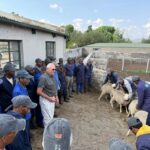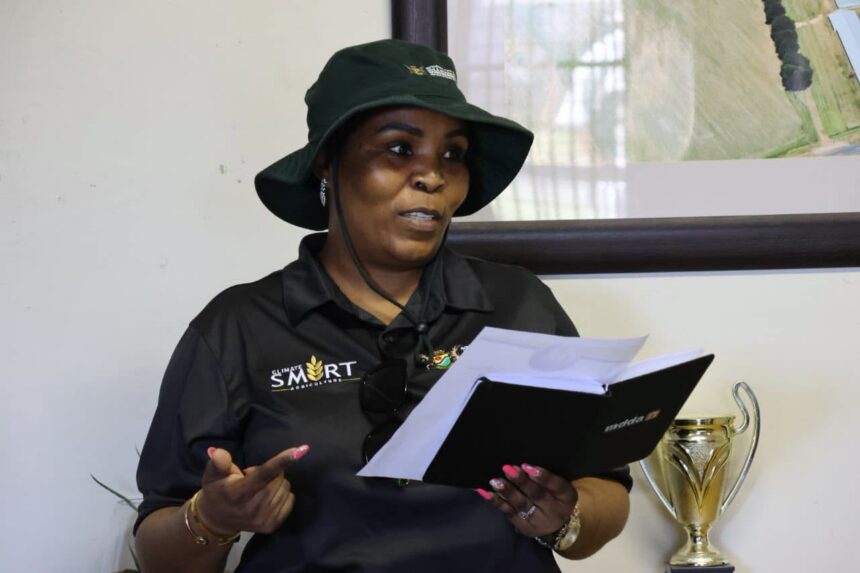
The Taking Legislature to the People Programme brought the Portfolio Committee on Agriculture to Thimthok Agricultural Cooperative in Arnot, under Steve Tshwete Local Municipality, as part of an oversight visit focused on agricultural support and rural development. The visit provided Members of the Provincial Legislature with an opportunity to assess the support that the Department of Agriculture, Rural Development, Land and Environmental Affairs has provided to the cooperative. MEC Khethiwe Moeketsi and senior management appeared before the committee and the beneficiaries as the MPLs examined the progress and needs of the agricultural project. The engagement placed the experiences of farmers and beneficiaries at the centre of the oversight process. It also demonstrated the importance of taking legislative oversight directly into farming communities where government programmes are implemented.
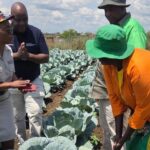
Thimthok Agricultural Cooperative represents a diversified agricultural operation with activities spanning grain production, cattle farming and broiler production. This combination gives the cooperative exposure to several areas of agriculture while creating opportunities to generate income from different farming enterprises. Grain production can contribute to food supply and commercial agricultural activity, while cattle farming forms an important part of livestock production in many rural communities. Broiler production adds another enterprise with the potential to support local food production and income generation. The diversity of Thimthok’s activities therefore makes the cooperative an important project for assessing how government agricultural support can contribute to the development of rural farming enterprises.
The oversight visit allowed the Portfolio Committee to move beyond reports and administrative information and observe the project within its actual operating environment. The MPLs were able to engage with beneficiaries and hear directly about their experiences with the support provided by DARDLEA. This type of interaction can help legislators understand whether government interventions are reaching intended beneficiaries and whether those interventions are addressing the practical needs of agricultural projects. It can also highlight challenges that may not be immediately visible through departmental reports or programme statistics. Direct engagement with farmers therefore remains an important part of ensuring accountability and improving the effectiveness of agricultural support programmes.
The appearance of MEC Khethiwe Moeketsi and senior departmental management before the committee and beneficiaries added an important accountability element to the engagement. Their participation created an opportunity for questions about the department’s role in supporting Thimthok and the progress of the project. Government departments responsible for agriculture have an important role to play in helping farmers develop productive and sustainable enterprises. However, the success of agricultural programmes also depends on how effectively support reaches projects and how beneficiaries are able to use that support. The oversight process provides a mechanism through which legislators can examine this relationship and identify areas where additional attention may be required.
For Thimthok, operating across grain, cattle and broiler production requires farmers to manage different production systems and business demands. Each enterprise comes with its own requirements relating to inputs, infrastructure, animal management, production planning, markets and financial management. A cooperative managing multiple enterprises also needs effective coordination to ensure that available resources are used efficiently. Government support can play a role in strengthening these operations, particularly when it responds to specific gaps identified by farmers. The visit therefore offered an opportunity to consider not only what support had already been provided, but also what further interventions could help the cooperative strengthen its activities.
Agricultural cooperatives can play an important role in rural economic development because they bring producers and beneficiaries together around shared economic activities. When properly supported and managed, cooperatives can create opportunities for production, income generation and skills development within rural communities. Projects such as Thimthok can also contribute to local food production through their involvement in grain, livestock and poultry farming. Their success can have wider implications for the communities in which they operate, particularly when agricultural activities create opportunities for employment and local economic participation. Strengthening viable cooperatives can therefore form part of broader efforts to build sustainable rural economies.
The Taking Legislature to the People Programme also highlights the role of public participation in government oversight. Bringing the Portfolio Committee to Arnot allows community members and agricultural beneficiaries to engage with elected representatives and departmental leadership in a setting that is directly connected to their livelihoods. This gives farmers an opportunity to raise concerns, share achievements and explain the realities they face in developing their enterprises. For legislators, these interactions provide valuable first-hand information that can inform oversight and future recommendations. The process can also strengthen communication between communities, government departments and the institutions responsible for monitoring public programmes.
The focus on DARDLEA support is particularly important because agricultural projects often require sustained assistance as they move from establishment to expansion and commercialisation. Support may need to respond to changing production requirements, infrastructure needs, market access challenges and the broader business environment. A project can receive initial assistance but still face difficulties when it attempts to increase production or enter new markets. Regular monitoring and engagement can help identify these challenges before they undermine the long-term viability of the enterprise. The oversight visit to Thimthok therefore provided an opportunity to assess agricultural support within the wider context of sustainability and development.
The participation of beneficiaries in the engagement was equally significant because farmers are directly affected by decisions about agricultural programmes and resources. Their experiences can provide practical evidence about what works, what needs improvement and where gaps remain. Listening to beneficiaries also helps ensure that agricultural development does not become disconnected from the people it is intended to support. In the case of Thimthok, the interaction gave the committee an opportunity to understand the cooperative’s agricultural activities from the perspective of those involved in running the project. This farmer-centred approach can contribute to more responsive government programmes and more meaningful oversight.
The visit to Thimthok Agricultural Cooperative in Arnot ultimately underscored the importance of accountability, direct engagement and continued support in agricultural development. The Portfolio Committee’s oversight provided a platform to assess DARDLEA’s involvement while giving beneficiaries an opportunity to engage with MEC Khethiwe Moeketsi and senior departmental officials. Thimthok’s grain, cattle and broiler production activities demonstrate the potential for diversified agricultural enterprises to contribute to rural economic development and food production. Continued attention to the needs of such projects will be important if cooperatives are to strengthen their operations and build sustainable agricultural businesses. Through programmes such as Taking Legislature to the People, direct engagement with farmers can help ensure that agricultural policies and government support remain connected to the realities of rural communities.
Join 'Farmers Mag' WhatsApp Channel
Get the latest Farming news and tips delivered straight to your WhatsApp
CLICK HERE TO JOIN