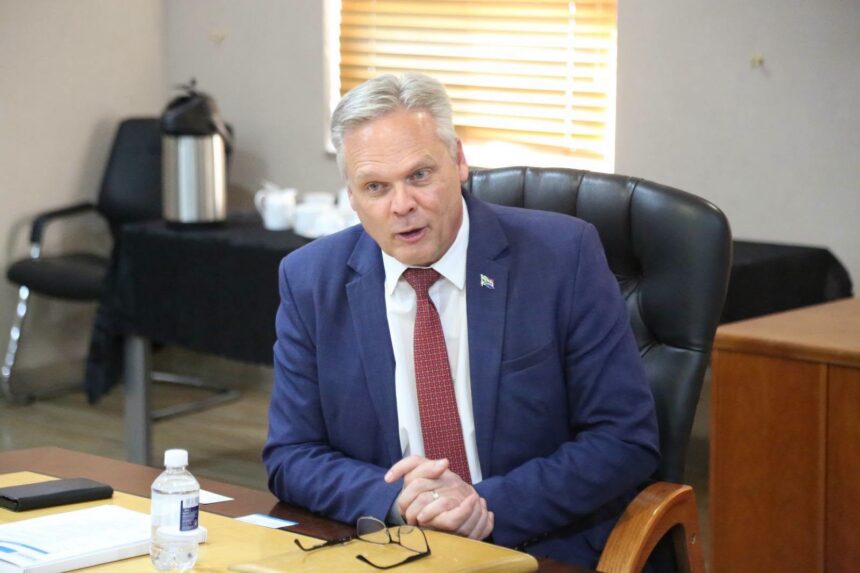
South Africa has reached a major breakthrough in its efforts to expand red meat exports, with Agriculture Minister Willie Aucamp announcing the successful conclusion of negotiations with Egypt on the Veterinary Health Certificate governing trade between the two countries. The announcement was made at the Agri North West Congress on Thursday, 3 September 2026, marking an important development for the country’s beef and livestock industry. The agreement is particularly significant as South African farmers continue to deal with the effects of one of the country’s biggest Foot-and-Mouth Disease outbreaks in decades. Access to additional international markets could provide producers and processors with opportunities to diversify their export destinations and strengthen the resilience of the red meat value chain. The development also demonstrates the importance of government engagement in removing regulatory barriers that can limit agricultural trade.
Minister Aucamp said he had met with his team on Monday and stressed the urgency of finalising the negotiations because red meat farmers needed access to additional markets. He expressed his satisfaction that the negotiating team had successfully delivered the required outcome following engagement with Egyptian authorities. South Africa and Egypt have now concluded negotiations on the Veterinary Health Certificate, which establishes the animal health and regulatory requirements for South African red meat exports to Egypt. The remaining step involves the formal addition of the final signatures to the agreement before shipments can be cleared to move. Once that process is completed, South African beef and livestock producers will be positioned to access Egypt’s substantial consumer market under the agreed regulatory framework.
The conclusion of the Veterinary Health Certificate negotiations provides greater clarity for exporters seeking to enter or expand their presence in the Egyptian market. International trade in animal products requires clear rules to protect animal health, food safety and the interests of importing and exporting countries. A properly established veterinary health framework allows authorities to determine the conditions under which livestock products can be traded between countries. For South African exporters, having an agreed certificate can reduce uncertainty around the requirements that must be met before products can enter Egypt. The finalisation of the agreement therefore represents more than a diplomatic development, as it creates a regulatory foundation for commercial opportunities in the red meat sector.
The timing of the announcement is especially important for South Africa’s livestock industry because the sector has been dealing with significant challenges linked to Foot-and-Mouth Disease. Disease outbreaks can affect livestock movement, production systems, market access and the ability of farmers to trade normally. They can also create additional costs for producers and processors while placing pressure on efforts to maintain access to international markets. Expanding export opportunities can help create greater flexibility for producers and businesses operating across the red meat value chain. The Egyptian market could therefore become an important destination as the industry works to manage current pressures and build greater resilience.
Minister Aucamp emphasised that government should support and enable the agricultural sector rather than create unnecessary obstacles for farmers and businesses. His comments underline the importance of effective cooperation between government officials, industry representatives and international authorities when opening export markets. Negotiating veterinary requirements can be complex because both countries need to ensure that animal health and food safety standards are respected. The successful engagement with Egyptian veterinary authorities demonstrates the value of constructive discussions when addressing these regulatory requirements. For South African farmers and exporters, efficient government support can help convert international trade negotiations into real commercial opportunities.
Egypt represents a potentially important market for South African red meat producers because of its large consumer base and demand for food products. Access to a new destination can allow exporters to reduce their dependence on a limited number of international markets. Market diversification can also provide businesses with more options when conditions change in individual destinations. For farmers, stronger export demand can create opportunities to increase production and potentially expand their operations. For processors and other businesses in the value chain, increased export activity can support additional commercial opportunities and contribute to broader economic activity.
The agreement also aligns with the government’s focus on inclusive economic growth and job creation. Agriculture supports a wide network of economic activities, including farming, animal health services, transport, processing, packaging, logistics and retail. When exporters gain access to new markets, increased demand can create opportunities across these connected parts of the agricultural value chain. Rural communities can benefit when agricultural businesses expand and create additional economic activity in areas where farming provides an important source of income. The expansion of red meat exports therefore has the potential to contribute to economic growth beyond the individual producers who supply the products.
For livestock farmers, improved market access can provide an incentive to strengthen production capacity and improve competitiveness. Export markets generally require producers and processors to meet strict standards relating to animal health, traceability, food safety and product quality. Meeting these requirements can encourage stronger systems across the industry and improve the ability of South African businesses to compete internationally. The finalisation of the VHC will provide a defined regulatory framework that exporters can use when preparing to supply the Egyptian market. This clarity can help businesses plan their export strategies and assess the investments required to participate in the new market.
The development is also significant for South African red meat processors, who form an important link between livestock farmers and international consumers. A broader export market can create additional demand for processed meat products and potentially support greater utilisation of processing facilities. Increased activity can have knock-on effects for logistics companies, cold-chain operators, packaging businesses and other service providers connected to the industry. A successful export relationship with Egypt could therefore generate economic benefits across multiple stages of the red meat value chain. The extent of those benefits will depend on the completion of the formal agreement and the ability of exporters to meet the relevant requirements.
Minister Aucamp thanked the negotiating team for its efforts and highlighted the importance of government working to unlock opportunities for the agricultural sector. The conclusion of the negotiations followed constructive engagement with Egyptian veterinary authorities, demonstrating the role of technical cooperation in establishing international agricultural trade. Maintaining strong relationships with trading partners will remain important as South Africa seeks to expand access for agricultural products in international markets. New trade opportunities can help farmers and agricultural businesses reach more consumers while strengthening the country’s position as a competitive food producer. Continued work on market access will therefore remain an important part of supporting the long-term development of the agricultural sector.
Minister Aucamp also pointed to the wider economic significance of opening international markets for South African agricultural products. Every new export destination can create opportunities for revenue to move through farming communities and the broader rural economy. Increased agricultural trade can support businesses involved in production, processing, transportation, storage and other services required to move products from farms to international consumers. This can help strengthen commerce along agricultural value chains and create additional opportunities for employment and investment. For the red meat sector, the Egyptian market could therefore become an important component of efforts to build a more diversified and resilient export industry.
The conclusion of the South Africa-Egypt Veterinary Health Certificate negotiations marks an important step towards expanding opportunities for the country’s red meat industry. Once the final signatures are formally appended and the necessary procedures are completed, shipments will be able to move under the agreed veterinary framework. The development provides beef and livestock producers with the prospect of accessing a substantial new consumer market while giving exporters another destination through which to diversify their international trade. It also reflects the importance of cooperation between government and international veterinary authorities in maintaining animal health and food safety standards. For South Africa’s farmers, processors and rural communities, the breakthrough offers a positive opportunity to strengthen the red meat value chain, expand international trade and contribute to inclusive economic growth and job creation.
Join 'Farmers Mag' WhatsApp Channel
Get the latest Farming news and tips delivered straight to your WhatsApp
CLICK HERE TO JOIN